


 slovenský
 africký
 albánsky
 amharčina
 arabčina
 arménsky
 azerbajdžanský
 baskický
 bieloruský
 bengálsky
 bosniansky
 bulharčina
 katalánsky
 Cebuano
 korzické
 chorvátsky
 český
český
 dánčina
 holandský
 Angličtina
 Esperanto
 estónsky
 fínsky
 francúzsky
 frízsky
 Haličský
 gruzínsky
 nemecký
 grécky
 Gudžarátčina
 haitská kreolčina
 hausa
hausa
 havajský
 hebrejčina
 nie
nie
 Miao
Miao
 maďarský
 islandský
 igbo
igbo
 indonézsky
 írsky
írsky
 taliansky
 japončina
 jávsky
 Kannada
 kazašský
 khmérsky
 Rwanda
 kórejský
 kurdský
 kirgizský
 TBC
TBC
 latinčina
 lotyšský
 litovský
 luxemburský
 macedónsky
 Malgashi
 malajčina
 malajálamčina
 maltčina
 Maori
Maori
 maráthčina
 mongolský
 Mjanmarsko
 nepálsky
 nórsky
 nórsky
 okcitánsky
 paštčina
 perzský
 poľský
 portugalčina
 pandžábsky
 rumunský
 ruský
ruský
 Samoan
 škótska galčina
 srbský
 Angličtina
 Shona
Shona
 Sindhi
 sinhálčina
 slovensky
 somálsky
 španielčina
 sundánsky
 svahilčina
 švédsky
 Tagalog
 tadžický
 tamilčina
 tatársky
 telugčina
 thajčina
 turecký
 turkménskym
 Ukrajinčina
 urdčina
 ujgurské
 uzbecký
 Vietnamci
 waleský
 Pomoc
Pomoc
 jidiš
jidiš
 Yoruba
 Zulu
Zulu


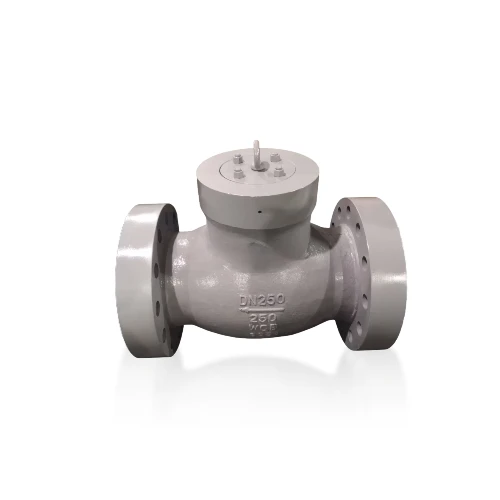
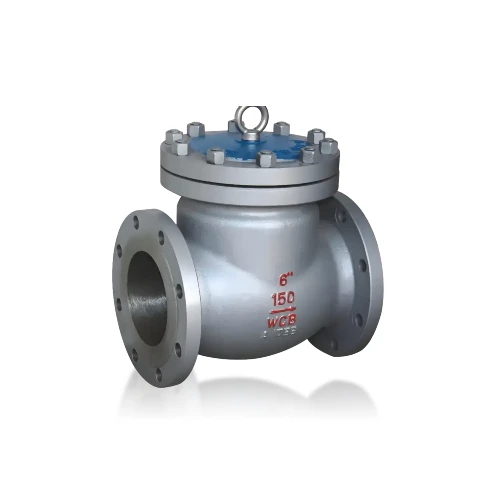
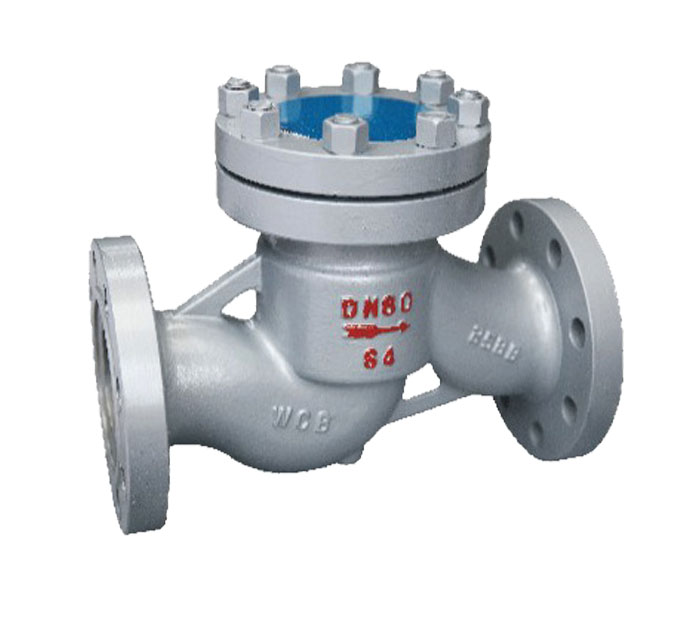
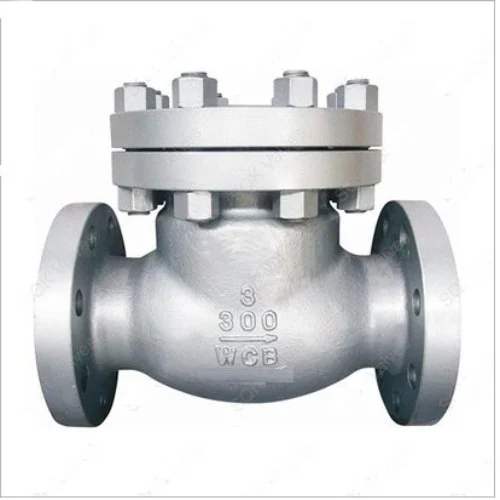
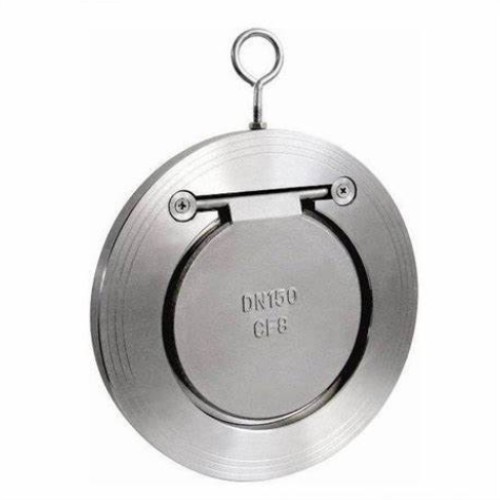
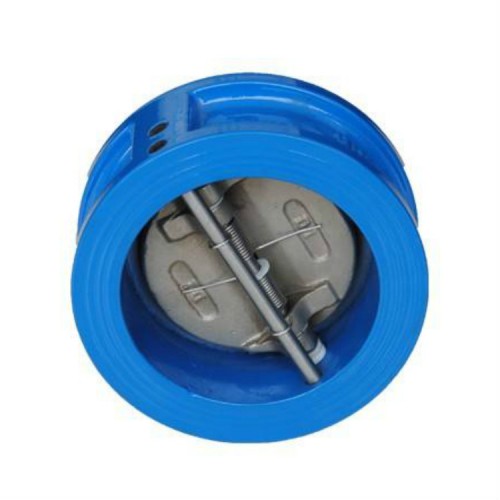
Check valves, also known as non-return valves, are designed to allow fluid to flow in one direction while preventing reverse flow. They are commonly used to maintain the flow of fluid in a single direction and to prevent backflow, which can cause damage or contamination in a system. Check valves can be classified based on their design and application:
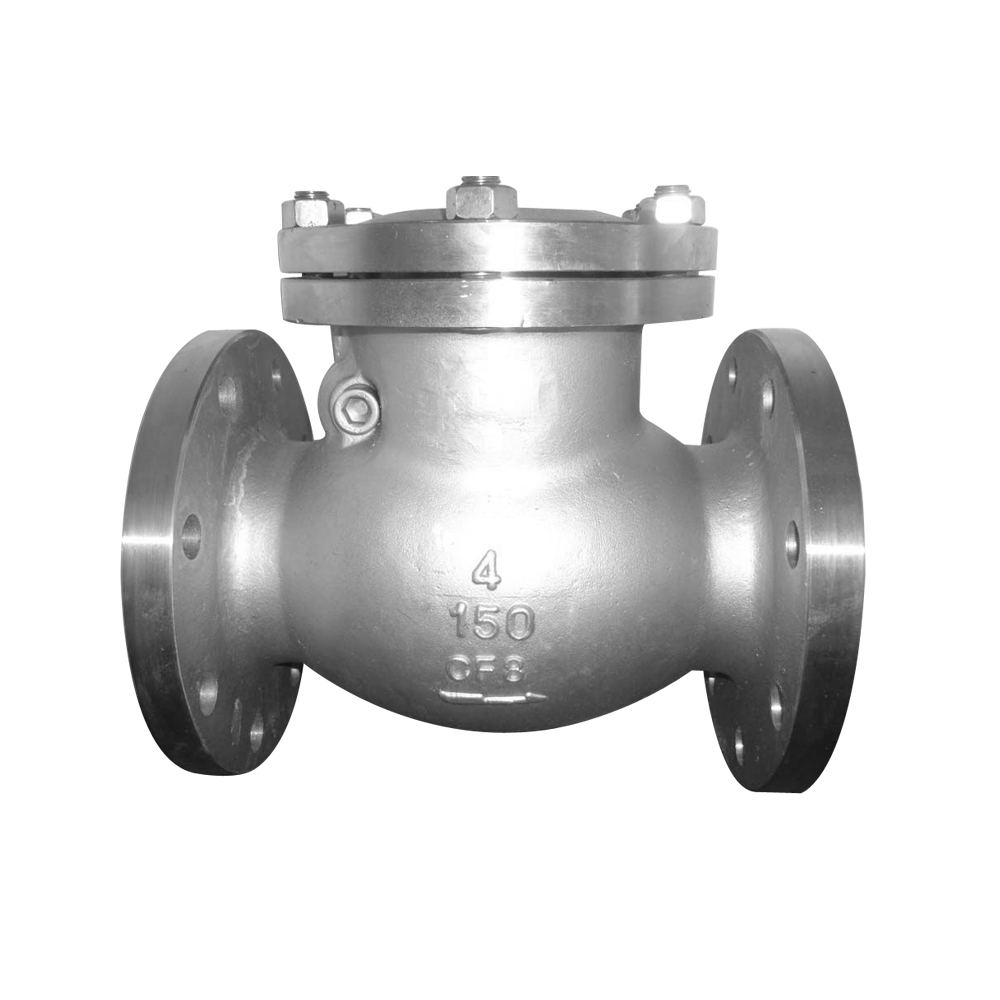
1. Swing Check Valve: This type of check valve uses a hinged disc to block reverse flow. When the forward flow stops, the disc swings into a closed position to prevent backflow. Swing check valves are suitable for applications with moderate flow rates and are commonly used in water and wastewater systems.
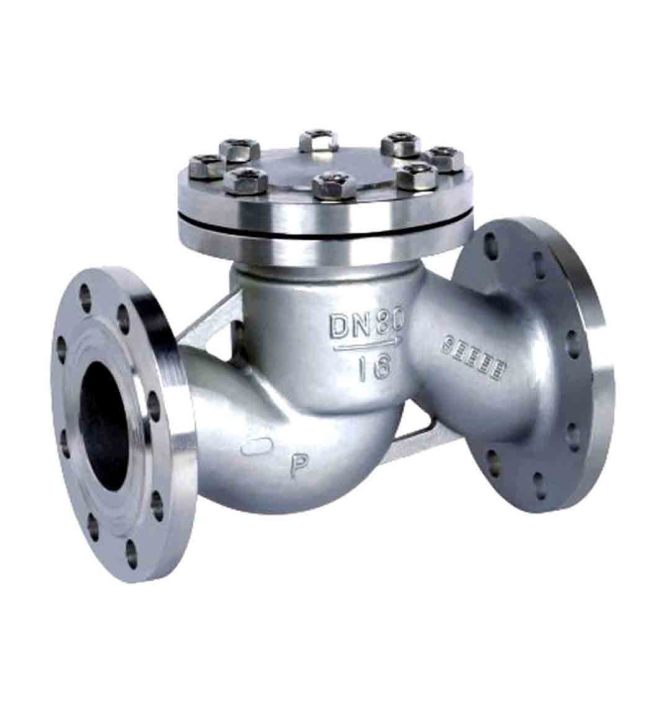
2. Lift Check Valve: Lift check valves use a guided disc that moves up and down to control the flow. When the forward flow stops, the disc is lifted to allow flow, and when the flow reverses, the disc is forced back onto the seat to prevent backflow. Lift check valves are often used in high-pressure and high-temperature applications.
Check valves are essential components in various industries, including oil and gas, chemical processing, water treatment, and HVAC systems, where maintaining flow direction and preventing backflow are critical for system performance and safety.
When Should I Use A Check Valve?
A check valve should be used in applications where backflow prevention is essential. This includes situations where the reversal of flow could cause damage to equipment, contamination of the system, or safety hazards. Check valves are commonly employed in various systems such as water and wastewater treatment, pumping systems, HVAC systems, and industrial processes where maintaining flow direction and preventing backflow are critical. Additionally, check valves are often used in combination with pumps to prevent the backflow of fluid when the pump is not in operation. In summary, check valves are utilized in scenarios where ensuring unidirectional flow and preventing reverse flow are vital for the efficient and safe operation of the system.












































































