


 slovenský
 africký
 albánsky
 amharčina
 arabčina
 arménsky
 azerbajdžanský
 baskický
 bieloruský
 bengálsky
 bosniansky
 bulharčina
 katalánsky
 Cebuano
 korzické
 chorvátsky
 český
český
 dánčina
 holandský
 Angličtina
 Esperanto
 estónsky
 fínsky
 francúzsky
 frízsky
 Haličský
 gruzínsky
 nemecký
 grécky
 Gudžarátčina
 haitská kreolčina
 hausa
hausa
 havajský
 hebrejčina
 nie
nie
 Miao
Miao
 maďarský
 islandský
 igbo
igbo
 indonézsky
 írsky
írsky
 taliansky
 japončina
 jávsky
 Kannada
 kazašský
 khmérsky
 Rwanda
 kórejský
 kurdský
 kirgizský
 TBC
TBC
 latinčina
 lotyšský
 litovský
 luxemburský
 macedónsky
 Malgashi
 malajčina
 malajálamčina
 maltčina
 Maori
Maori
 maráthčina
 mongolský
 Mjanmarsko
 nepálsky
 nórsky
 nórsky
 okcitánsky
 paštčina
 perzský
 poľský
 portugalčina
 pandžábsky
 rumunský
 ruský
ruský
 Samoan
 škótska galčina
 srbský
 Angličtina
 Shona
Shona
 Sindhi
 sinhálčina
 slovensky
 somálsky
 španielčina
 sundánsky
 svahilčina
 švédsky
 Tagalog
 tadžický
 tamilčina
 tatársky
 telugčina
 thajčina
 turecký
 turkménskym
 Ukrajinčina
 urdčina
 ujgurské
 uzbecký
 Vietnamci
 waleský
 Pomoc
Pomoc
 jidiš
jidiš
 Yoruba
 Zulu
Zulu


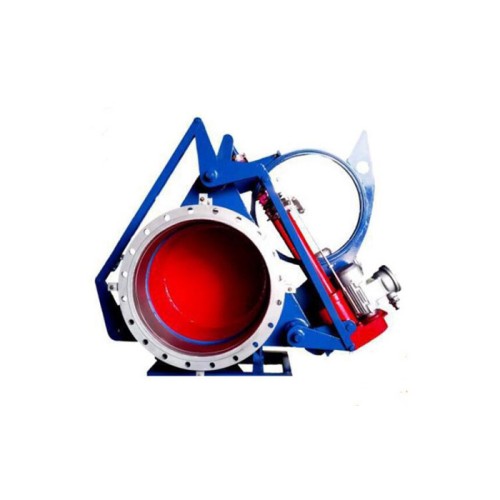
Blind valves, also known as blanking valves, are used to close off the flow of fluid in a pipeline. They are typically installed at the end of a line or at a specific point in the system where temporary isolation or closure is required. Blind valves are designed to provide a tight seal to prevent the flow of fluid, and they are available in various types, including bolted bonnet, pressure seal, and welded bonnet designs, to accommodate different pressure and temperature requirements. These valves are commonly used during maintenance, repair, or testing of the pipeline system, as well as for isolating sections of the pipeline for safety or operational reasons. The selection of blind valves depends on factors such as the type of fluid, pressure rating, temperature range, and the specific application within the pipeline system. Proper installation and maintenance of blind valves are essential to ensure reliable and safe operation, as well as to prevent leakage and potential hazards within the pipeline.

Why Use Spectacle Blind Instead Of Valve?
Spectacle blinds are used in piping systems for the purpose of temporarily closing off a pipe or isolating a section of the pipeline. They consist of two metal discs connected by a section of metal, resembling a pair of spectacles, hence the name. The main advantage of using spectacle blinds instead of valves for isolation is that they provide a more secure and reliable closure. When a spectacle blind is installed, it completely blocks the flow of fluid, ensuring a tight seal and preventing any leakage. In contrast, valves, even when fully closed, may still allow a small amount of fluid to pass through, which can be undesirable in certain situations, such as during maintenance or repair activities. Additionally, spectacle blinds are often used in applications where the pipeline needs to be completely sealed off for an extended period, and where the use of a valve may not provide the level of security and isolation required. Overall, the decision to use a spectacle blind instead of a valve depends on the specific needs of the piping system, the level of isolation required, and the nature of the fluid being transported.












































































