


 català
 africana
 albanès
 amàric
 àrab
àrab
 armeni
 azerbaidjana
 basc
basc
 Bielorús
 bengalí
 bosnià
 búlgar
 Cebuà
Cebuà
 Cors
Cors
 croat
croat
 txec
txec
 danès
danès
 holandès
 Anglès
 esperanto
 estonià
 finès
finès
 francès
 frisó
frisó
 gallec
 georgiana
 alemany
 grec
grec
 Gujarati
 crioll haitiano
 hausa
hausa
 hawaià
 hebreu
 No
No
 Miao
Miao
 hongarès
 islandès
 igbo
igbo
 indonesi
 irlandesa
 italià
 japonès
 javanès
 Kannada
 kazakh
 Khmer
Khmer
 Ruandès
 coreà
coreà
 kurd
kurd
 kirguis
 TB
TB
 llatí
llatí
 letó
letó
 lituà
lituà
 luxemburguesa
 macedoni
 Malgashi
 Malai
Malai
 malayalam
 maltès
 Maori
Maori
 Marathi
 mongol
 Myanmar
 nepalí
 noruec
 noruec
 occità
 Pashto
 persa
persa
 polonès
 portuguès
 panjabi
 romanès
 rus
rus
 samoà
samoà
 Gaèlic escocès
 serbi
serbi
 Anglès
 Shona
Shona
 Sindhi
 Sinhala
 eslovac
 eslovè
 Somali
 espanyol
 Sundanès
 suahili
 suec
suec
 Tagalog
 Tadjik
 Tamil
Tamil
 Tàrtar
 Telugu
 tailandès
 turc
turc
 turcomà
 Ucraïnès
 Urdú
Urdú
 uigur
uigur
 Uzbek
Uzbek
 vietnamita
 gal·lès
 Ajuda
Ajuda
 Yiddish
 ioruba
 Zulu
Zulu


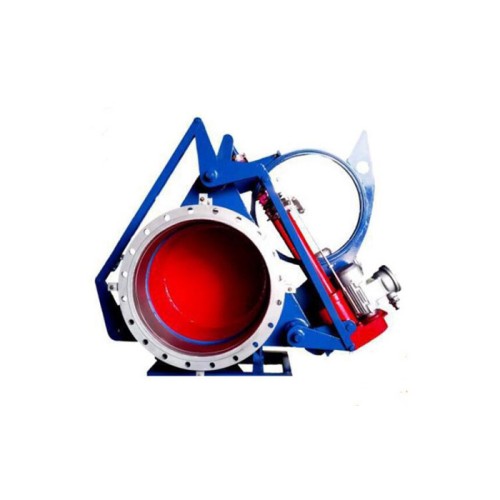
Blind valves, also known as blanking valves, are used to close off the flow of fluid in a pipeline. They are typically installed at the end of a line or at a specific point in the system where temporary isolation or closure is required. Blind valves are designed to provide a tight seal to prevent the flow of fluid, and they are available in various types, including bolted bonnet, pressure seal, and welded bonnet designs, to accommodate different pressure and temperature requirements. These valves are commonly used during maintenance, repair, or testing of the pipeline system, as well as for isolating sections of the pipeline for safety or operational reasons. The selection of blind valves depends on factors such as the type of fluid, pressure rating, temperature range, and the specific application within the pipeline system. Proper installation and maintenance of blind valves are essential to ensure reliable and safe operation, as well as to prevent leakage and potential hazards within the pipeline.

Why Use Spectacle Blind Instead Of Valve?
Spectacle blinds are used in piping systems for the purpose of temporarily closing off a pipe or isolating a section of the pipeline. They consist of two metal discs connected by a section of metal, resembling a pair of spectacles, hence the name. The main advantage of using spectacle blinds instead of valves for isolation is that they provide a more secure and reliable closure. When a spectacle blind is installed, it completely blocks the flow of fluid, ensuring a tight seal and preventing any leakage. In contrast, valves, even when fully closed, may still allow a small amount of fluid to pass through, which can be undesirable in certain situations, such as during maintenance or repair activities. Additionally, spectacle blinds are often used in applications where the pipeline needs to be completely sealed off for an extended period, and where the use of a valve may not provide the level of security and isolation required. Overall, the decision to use a spectacle blind instead of a valve depends on the specific needs of the piping system, the level of isolation required, and the nature of the fluid being transported.












































































