


 Español
 africano
 albanés
 amárico
 Arábica
 armenio
 azerbaiyano
 vasco
vasco
 bielorruso
 bengalí
 bosnio
 búlgaro
 catalán
 cebuano
 corso
corso
 croata
 checo
checo
 danés
danés
 Holandés
 Inglés
 esperanto
 estonio
 finlandés
 Francés
 frisio
 gallego
 georgiano
 Alemán
 Griego
 gujarati
 criollo haitiano
 hausa
hausa
 hawaiano
 hebreo
 No
No
 Miao
Miao
 húngaro
 islandés
 igbo
igbo
 indonesio
 irlandesa
 italiano
 japonés
 javanés
 canarés
 kazajo
 jemer
jemer
 ruandés
 coreano
 kurdo
kurdo
 Kirguistán
 tuberculosis
 latín
latín
 letón
letón
 lituano
 luxemburgués
 macedónio
 Malgashi
 malayo
 Malayalam
 maltés
 maorí
maorí
 marathi
 mongol
 Birmania
 nepalí
 noruego
 noruego
 occitano
 pastún
 persa
persa
 Polaco
 portugués
 punjabi
 rumano
 ruso
ruso
 samoano
 gaélico escocés
 serbio
 Inglés
 Shona
Shona
 Sindhi
 cingalés
 eslovaco
 esloveno
 somalí
 sundanés
 swahili
 sueco
sueco
 tagalo
 tayiko
 Tamil
Tamil
 tártaro
 telugu
 tailandés
 turco
turco
 turcomano
 ucranio
 urdu
urdu
 uigur
uigur
 uzbeko
 vietnamita
 galés
galés
 Ayuda
Ayuda
 yídish
 Yoruba
 zulú
zulú


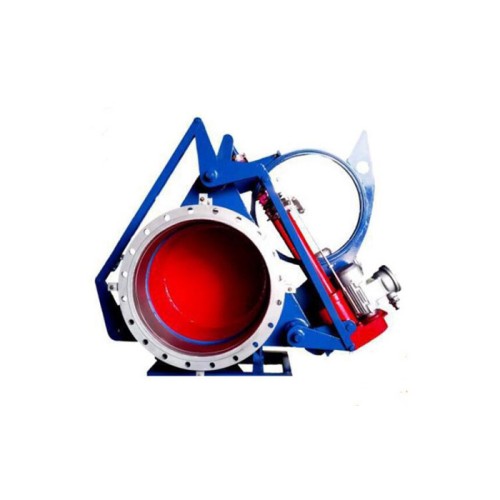
Blind valves, also known as blanking valves, are used to close off the flow of fluid in a pipeline. They are typically installed at the end of a line or at a specific point in the system where temporary isolation or closure is required. Blind valves are designed to provide a tight seal to prevent the flow of fluid, and they are available in various types, including bolted bonnet, pressure seal, and welded bonnet designs, to accommodate different pressure and temperature requirements. These valves are commonly used during maintenance, repair, or testing of the pipeline system, as well as for isolating sections of the pipeline for safety or operational reasons. The selection of blind valves depends on factors such as the type of fluid, pressure rating, temperature range, and the specific application within the pipeline system. Proper installation and maintenance of blind valves are essential to ensure reliable and safe operation, as well as to prevent leakage and potential hazards within the pipeline.

Why Use Spectacle Blind Instead Of Valve?
Spectacle blinds are used in piping systems for the purpose of temporarily closing off a pipe or isolating a section of the pipeline. They consist of two metal discs connected by a section of metal, resembling a pair of spectacles, hence the name. The main advantage of using spectacle blinds instead of valves for isolation is that they provide a more secure and reliable closure. When a spectacle blind is installed, it completely blocks the flow of fluid, ensuring a tight seal and preventing any leakage. In contrast, valves, even when fully closed, may still allow a small amount of fluid to pass through, which can be undesirable in certain situations, such as during maintenance or repair activities. Additionally, spectacle blinds are often used in applications where the pipeline needs to be completely sealed off for an extended period, and where the use of a valve may not provide the level of security and isolation required. Overall, the decision to use a spectacle blind instead of a valve depends on the specific needs of the piping system, the level of isolation required, and the nature of the fluid being transported.












































































