


 Español
 africano
 albanés
 amárico
 Arábica
 armenio
 azerbaiyano
 vasco
vasco
 bielorruso
 bengalí
 bosnio
 búlgaro
 catalán
 cebuano
 corso
corso
 croata
 checo
checo
 danés
danés
 Holandés
 Inglés
 esperanto
 estonio
 finlandés
 Francés
 frisio
 gallego
 georgiano
 Alemán
 Griego
 gujarati
 criollo haitiano
 hausa
hausa
 hawaiano
 hebreo
 No
No
 Miao
Miao
 húngaro
 islandés
 igbo
igbo
 indonesio
 irlandesa
 italiano
 japonés
 javanés
 canarés
 kazajo
 jemer
jemer
 ruandés
 coreano
 kurdo
kurdo
 Kirguistán
 tuberculosis
 latín
latín
 letón
letón
 lituano
 luxemburgués
 macedónio
 Malgashi
 malayo
 Malayalam
 maltés
 maorí
maorí
 marathi
 mongol
 Birmania
 nepalí
 noruego
 noruego
 occitano
 pastún
 persa
persa
 Polaco
 portugués
 punjabi
 rumano
 ruso
ruso
 samoano
 gaélico escocés
 serbio
 Inglés
 Shona
Shona
 Sindhi
 cingalés
 eslovaco
 esloveno
 somalí
 sundanés
 swahili
 sueco
sueco
 tagalo
 tayiko
 Tamil
Tamil
 tártaro
 telugu
 tailandés
 turco
turco
 turcomano
 ucranio
 urdu
urdu
 uigur
uigur
 uzbeko
 vietnamita
 galés
galés
 Ayuda
Ayuda
 yídish
 Yoruba
 zulú
zulú


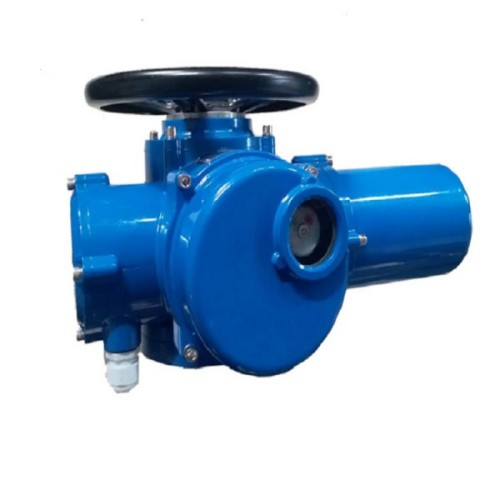
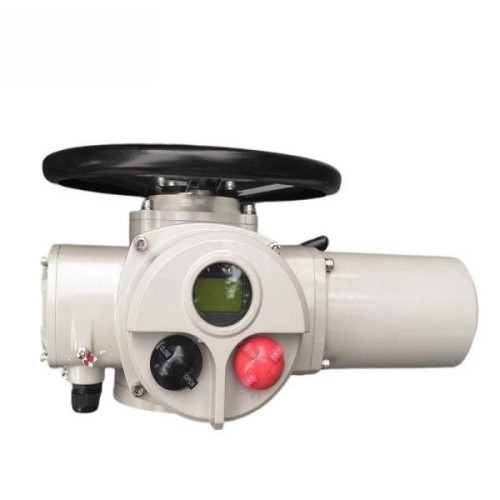
Electric actuators are devices used to control the operation of valves, dampers, and other mechanical systems by converting electrical energy into mechanical motion. They can be classified into several types based on their design, functionality, and application:
1. Multi-Turn Electric Actuators: These actuators are designed to provide rotational movement over multiple turns, making them suitable for applications that require precise and continuous positioning, such as gate valves and globe valves. They are often used in industrial settings where accurate control of fluid flow is essential.
2. Quarter-Turn Electric Actuators: Quarter-turn actuators are designed to provide rotational movement over a 90-degree angle, making them ideal for applications that require on/off or modulating control, such as ball valves and butterfly valves. They are commonly used in various industries for quick and efficient valve operation.
3. Electric Actuator with Fail-Safe Function: Some electric actuators are equipped with fail-safe features, such as spring-return mechanisms or battery backup, to ensure that the valve or damper returns to a safe position in the event of a power failure or system malfunction.
Electric actuators play a critical role in automating and controlling various industrial processes, and the selection of the appropriate type depends on factors such as the valve or damper application, torque or thrust requirements, control system compatibility, and safety considerations. Proper installation and maintenance of electric actuators are essential to ensure reliable and efficient operation within the mechanical system.
What Is An Actuator Used For?
Actuator is used to convert energy into mechanical motion, allowing it to control the operation of various mechanical systems. Actuators are commonly employed to automate the movement of valves, dampers, and other equipment in industrial, commercial, and residential settings. They play a crucial role in regulating the flow of fluids, gases, and other substances within piping systems, as well as in controlling the positioning of mechanical components. Actuators are also utilized in applications such as robotics, manufacturing machinery, HVAC systems, and automotive systems to enable precise and controlled movement. By converting energy into mechanical force, actuators facilitate the efficient operation and automation of a wide range of mechanical processes, contributing to improved system performance, safety, and reliability.












































































