


 Ελληνικά
 αφρικανός
 Αλβανός
 Αμαρικά
 αραβικός
 αρμενικός
 Αζερμπαϊτζάν
 Βάσκος
 Λευκορωσική
 Μπενγκάλι
 Βόσνιος
 Βούλγαρος
 καταλανικά
 Cebuano
 Κορσικανός
 Κροατία
 Τσέχος
 δανικός
 Ολλανδός
 Αγγλικά
 εσπεράντο
 Εσθονική
 φινλανδικός
 γαλλική γλώσσα
 Φριζ
Φριζ
 Γαλικιανός
 Γεωργιανή
 Γερμανός
 Γκουτζαράτι
 Κρεολική Αϊτής
 hausa
hausa
 Χαβάης
 Εβραϊκά
 Όχι
Όχι
 Miao
Miao
 ουγγρικός
 ισλανδικός
 igbo
igbo
 Ινδονησιακά
 ιρλανδικός
 ιταλικός
 Ιαπωνικά
 Ιάβας
Ιάβας
 Κανάντα
 καζακικά
 Χμερ
Χμερ
 Ρουάντα
 κορεάτης
 κουρδικά
 Κιργιζικά
 ΤΒ
ΤΒ
 λατινικά
 λετονική
 Λιθουανικά
 Λουξεμβουργιανό
 Μακεδόνας
 Μαλγκάσι
 Μαλαισίας
 Μαλαγιαλάμ
 μαλτέζος
 Μαορί
Μαορί
 Μαράθι
 Μογγόλος
 Μιανμάρ
 Νεπάλ
Νεπάλ
 Νορβηγός
 Νορβηγός
 Οξιτανός
 Πάστο
Πάστο
 περσικός
 Στίλβωση
 Πορτογαλικά
 Παντζάμπι
 ρουμανικός
 Ρωσική
 Σαμόα
Σαμόα
 Σκωτσέζικη Γαελική
 Σέρβος
 Αγγλικά
 Σόνα
Σόνα
 Σίντι
Σίντι
 Σινχαλά
 Σλοβάκος
 Σλοβενική
 Σομαλός
 Ισπανικά
 Σουνδανός
 Σουαχίλι
 Σουηδικά
 Ταγκαλόγκ
 Τατζικιστάν
 Ταμίλ
Ταμίλ
 Τατάρος
 Τελούγκου
 Ταϊλανδός
 τούρκικος
 Τουρκμενιστάν
 Ουκρανός
 Ουρντού
 Ουιγούρης
 Ουζμπεκιστάν
 Βιετναμέζικο
 Δεν πληρώνω τα οφειλόμενα
 Βοήθεια
 γερμανοεβραϊκή διάλεκτος
 Γιορούμπα
 Ζουλού


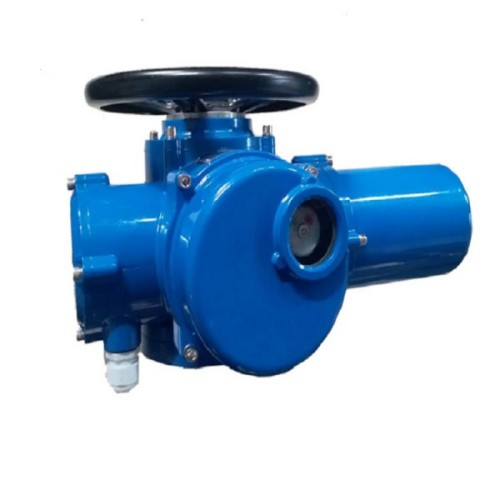
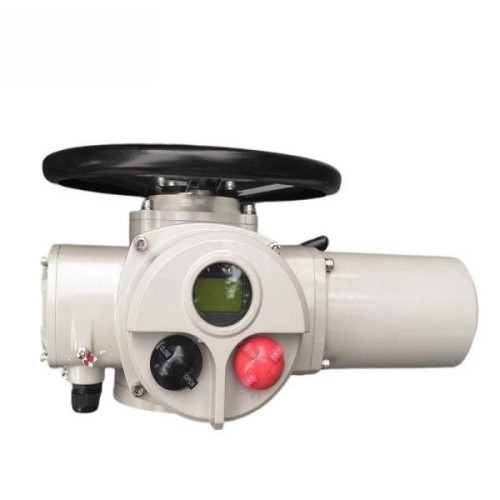
Electric actuators are devices used to control the operation of valves, dampers, and other mechanical systems by converting electrical energy into mechanical motion. They can be classified into several types based on their design, functionality, and application:
1. Multi-Turn Electric Actuators: These actuators are designed to provide rotational movement over multiple turns, making them suitable for applications that require precise and continuous positioning, such as gate valves and globe valves. They are often used in industrial settings where accurate control of fluid flow is essential.
2. Quarter-Turn Electric Actuators: Quarter-turn actuators are designed to provide rotational movement over a 90-degree angle, making them ideal for applications that require on/off or modulating control, such as ball valves and butterfly valves. They are commonly used in various industries for quick and efficient valve operation.
3. Electric Actuator with Fail-Safe Function: Some electric actuators are equipped with fail-safe features, such as spring-return mechanisms or battery backup, to ensure that the valve or damper returns to a safe position in the event of a power failure or system malfunction.
Electric actuators play a critical role in automating and controlling various industrial processes, and the selection of the appropriate type depends on factors such as the valve or damper application, torque or thrust requirements, control system compatibility, and safety considerations. Proper installation and maintenance of electric actuators are essential to ensure reliable and efficient operation within the mechanical system.
What Is An Actuator Used For?
Actuator is used to convert energy into mechanical motion, allowing it to control the operation of various mechanical systems. Actuators are commonly employed to automate the movement of valves, dampers, and other equipment in industrial, commercial, and residential settings. They play a crucial role in regulating the flow of fluids, gases, and other substances within piping systems, as well as in controlling the positioning of mechanical components. Actuators are also utilized in applications such as robotics, manufacturing machinery, HVAC systems, and automotive systems to enable precise and controlled movement. By converting energy into mechanical force, actuators facilitate the efficient operation and automation of a wide range of mechanical processes, contributing to improved system performance, safety, and reliability.












































































