


 Azərbaycan
 afrikalı
 alban
alban
 amhar
amhar
 ərəb
ərəb
 erməni
 bask dili
 belarus
 benqal dili
 bosniyalı
 bolqar
 katalan dili
 Cebuano
 korsika
 xorvat
 çex
çex
 danimarka
 holland
 İngilis dili
 esperanto
 eston
eston
 fin
fin
 Fransız dili
 friz dili
 qalisian
 gürcü
gürcü
 alman
alman
 yunan
yunan
 qucarat dili
 Haiti Kreol
 hausa
hausa
 havaylı
 ivrit
ivrit
 Xeyr
Xeyr
 Miao
Miao
 macar
macar
 island
 igbo
igbo
 indoneziya dili
 irland
 italyan
 yapon
yapon
 yava dili
 Kannada
 qazax
qazax
 kxmer
kxmer
 Ruanda
 koreyalı
 kürd
kürd
 qırğız
 Vərəm
Vərəm
 latın
latın
 latış
latış
 litva
litva
 Lüksemburq
 makedon
 Malqaşi
 malay
malay
 malayalam
 maltalı
 maori
maori
 marati dili
 monqol
 Myanma
 nepal dili
 norveçli
 norveçli
 oksitan
 puştu
puştu
 fars
fars
 polyak
 portuqal
 pəncab dili
 rumın
rumın
 rus
rus
 samoa
samoa
 Şotlandiya Qael dili
 serb
serb
 İngilis dili
 Şona
Şona
 sindhi
 Sinhala
 slovak
 sloven
 Somali
 ispan dili
 sundan
 suahili
 isveçli
 taqaloq
 tacik
tacik
 tamil
tamil
 tatar
tatar
 teluqu dili
 Tay
Tay
 türk
türk
 türkmən
 ukraynalı
 Urdu
Urdu
 uyğur
uyğur
 özbək
özbək
 vyetnamlı
 uels
uels
 Kömək edin
 yəhudi dili
 yoruba
 Zulu
Zulu


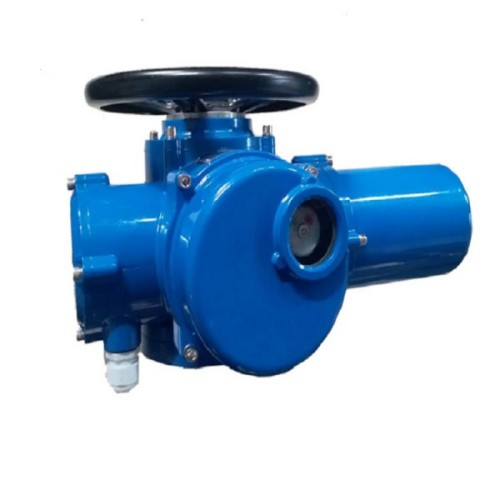
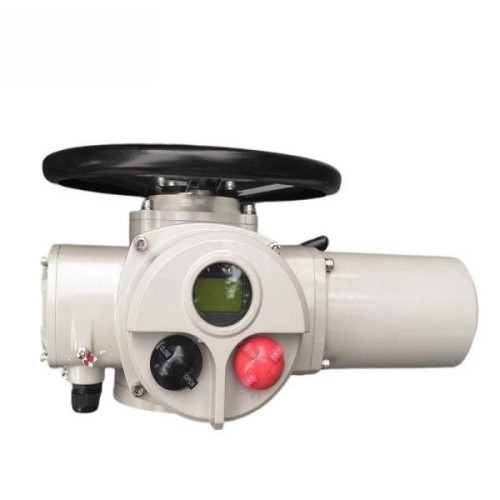
Electric actuators are devices used to control the operation of valves, dampers, and other mechanical systems by converting electrical energy into mechanical motion. They can be classified into several types based on their design, functionality, and application:
1. Multi-Turn Electric Actuators: These actuators are designed to provide rotational movement over multiple turns, making them suitable for applications that require precise and continuous positioning, such as gate valves and globe valves. They are often used in industrial settings where accurate control of fluid flow is essential.
2. Quarter-Turn Electric Actuators: Quarter-turn actuators are designed to provide rotational movement over a 90-degree angle, making them ideal for applications that require on/off or modulating control, such as ball valves and butterfly valves. They are commonly used in various industries for quick and efficient valve operation.
3. Electric Actuator with Fail-Safe Function: Some electric actuators are equipped with fail-safe features, such as spring-return mechanisms or battery backup, to ensure that the valve or damper returns to a safe position in the event of a power failure or system malfunction.
Electric actuators play a critical role in automating and controlling various industrial processes, and the selection of the appropriate type depends on factors such as the valve or damper application, torque or thrust requirements, control system compatibility, and safety considerations. Proper installation and maintenance of electric actuators are essential to ensure reliable and efficient operation within the mechanical system.
What Is An Actuator Used For?
Actuator is used to convert energy into mechanical motion, allowing it to control the operation of various mechanical systems. Actuators are commonly employed to automate the movement of valves, dampers, and other equipment in industrial, commercial, and residential settings. They play a crucial role in regulating the flow of fluids, gases, and other substances within piping systems, as well as in controlling the positioning of mechanical components. Actuators are also utilized in applications such as robotics, manufacturing machinery, HVAC systems, and automotive systems to enable precise and controlled movement. By converting energy into mechanical force, actuators facilitate the efficient operation and automation of a wide range of mechanical processes, contributing to improved system performance, safety, and reliability.












































































