


 Татар
Татар
 Африка
 Албан
Албан
 Амхар
Амхар
 Гарәп
Гарәп
 Әрмән
Әрмән
 Азәрбайҗан
 Баск
Баск
 Беларусия
 Бенгал
 Босния
 Болгар
 Каталан
 Себуано
 Корсика
 Хорватия
 Чехия
Чехия
 Дания
Дания
 Голландия
 Инглиз
 Эсперанто
 Эстония
 Фин
Фин
 Француз
 Фриз
Фриз
 Галисия
 Грузин
 Немец
Немец
 Грек
Грек
 Гуджарати
 Гаити креолы
 hausa
hausa
 hawaiian
 Иврит
Иврит
 .К
.К
 Миао
Миао
 Венгр
Венгр
 Исландия
 игбо
игбо
 Индонезия
 ириш
ириш
 Италия
 Япон
Япон
 Ява
Ява
 Каннада
 казах
казах
 Кхмер
Кхмер
 Руанда
 Корея
Корея
 Көрд
Көрд
 Кыргызстан
 Туберкулез
 Латин
Латин
 Латвия
 Литва
Литва
 Люксембург
 Македония
 Малгаши
 Малайча
 Малаялам
 Мальта
 Маори
Маори
 Марат
Марат
 Монгол
 Мьянма
 Непал
Непал
 Норвегия
 Норвегия
 Окитан
 Пушту
Пушту
 Фарсы
Фарсы
 Поляк
Поляк
 Португал
 Пәнҗаби
 Румыния
 Рус
Рус
 Самоа
Самоа
 Шотландия Гэль
 Серб
Серб
 Инглиз
 Шона
Шона
 Синдхи
 Синхала
 Словакия
 Словения
 Сомали
 Испан
Испан
 Сундан
 Суахили
 Швед
Швед
 Тагалог
 Таҗик
Таҗик
 Тамил
Тамил
 Телугу
 Тай
Тай
 Төрек
Төрек
 Төрекмәнстан
 Украин
 Урду
Урду
 Уйгур
Уйгур
 Uzbekзбәк
 Вьетнам
 Уэльс
Уэльс
 Ярдәм итегез
 Идиш
Идиш
 Йоруба
 Зулу
Зулу


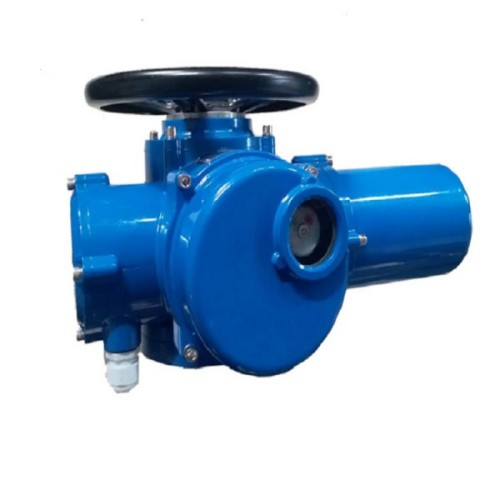
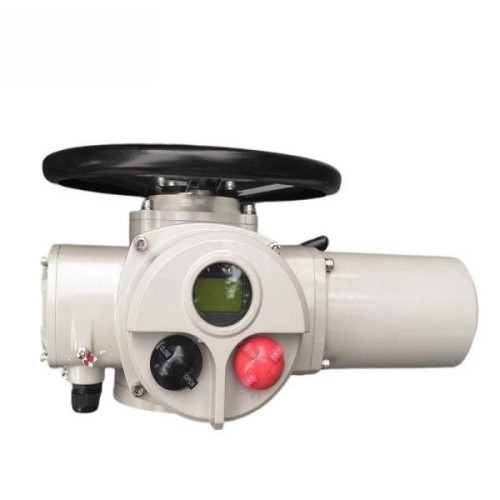
Electric actuators are devices used to control the operation of valves, dampers, and other mechanical systems by converting electrical energy into mechanical motion. They can be classified into several types based on their design, functionality, and application:
1. Multi-Turn Electric Actuators: These actuators are designed to provide rotational movement over multiple turns, making them suitable for applications that require precise and continuous positioning, such as gate valves and globe valves. They are often used in industrial settings where accurate control of fluid flow is essential.
2. Quarter-Turn Electric Actuators: Quarter-turn actuators are designed to provide rotational movement over a 90-degree angle, making them ideal for applications that require on/off or modulating control, such as ball valves and butterfly valves. They are commonly used in various industries for quick and efficient valve operation.
3. Electric Actuator with Fail-Safe Function: Some electric actuators are equipped with fail-safe features, such as spring-return mechanisms or battery backup, to ensure that the valve or damper returns to a safe position in the event of a power failure or system malfunction.
Electric actuators play a critical role in automating and controlling various industrial processes, and the selection of the appropriate type depends on factors such as the valve or damper application, torque or thrust requirements, control system compatibility, and safety considerations. Proper installation and maintenance of electric actuators are essential to ensure reliable and efficient operation within the mechanical system.
What Is An Actuator Used For?
Actuator is used to convert energy into mechanical motion, allowing it to control the operation of various mechanical systems. Actuators are commonly employed to automate the movement of valves, dampers, and other equipment in industrial, commercial, and residential settings. They play a crucial role in regulating the flow of fluids, gases, and other substances within piping systems, as well as in controlling the positioning of mechanical components. Actuators are also utilized in applications such as robotics, manufacturing machinery, HVAC systems, and automotive systems to enable precise and controlled movement. By converting energy into mechanical force, actuators facilitate the efficient operation and automation of a wide range of mechanical processes, contributing to improved system performance, safety, and reliability.












































































