


 Türkçe
 Afrikalı
 Arnavut
 Amharca
 Arapça
 Ermeni
 Azerice
 Bask
Bask
 Belarusça
 Bengalce
 Boşnakça
 Bulgarca
 Katalanca
 Cebuano
 Korsikalı
 Hırvat
 Çek
Çek
 Danimarka
 Flemenkçe
 İngilizce
 Esperanto
 Estonyalı
 Fince
Fince
 Fransızca
 Frizce
 Galiçyaca
 Gürcüce
 Almanca
 Yunan
Yunan
 Gujarati
 Haiti Kreyolu
 Hausa
Hausa
 Hawaii dili
 İbranice
 Hayır
Hayır
 Miao
Miao
 Macarca
 İzlandaca
 İbo
İbo
 Endonezya dili
 İrlandalı
 İtalyan
 Japonca
 Cava
Cava
 Kannadaca
 Kazak
Kazak
 Kmer
Kmer
 Ruanda
 Koreli
 Kürt
Kürt
 Kırgız
 TB
TB
 Latince
 Letonca
 Litvanyalı
 Lüksemburgca
 Makedonca
 Malgaşi
 Malayca
 Malayalam
 Malta
Malta
 Maori
Maori
 Marathi
 Moğolca
 Myanmar
 Nepalce
 Norveççe
 Norveççe
 Oksitanca
 Peştuca
 Farsça
 Lehçe
Lehçe
 Portekizce
 Pencap
 Romen
Romen
 Rusça
Rusça
 Samoalı
 İskoç Galcesi
 Sırpça
 İngilizce
 Shona
Shona
 Sindhi
 Sinhala
 Slovak
 Slovence
 Somalili
 İspanyol
 Sundan dili
 Svahili
 İsveççe
 Tagalogca
 Tacikçe
 Tamilce
 Tatar
Tatar
 Telugu
 Tay dili
 Türkmence
 Ukrayna
 Urduca
 Uygur
Uygur
 Özbekçe
 Vietnam
 Galce
Galce
 Yardım
 Yidiş
Yidiş
 Yoruba
 Zuluca


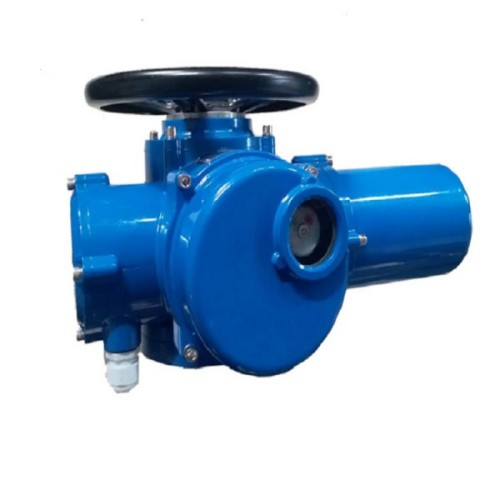
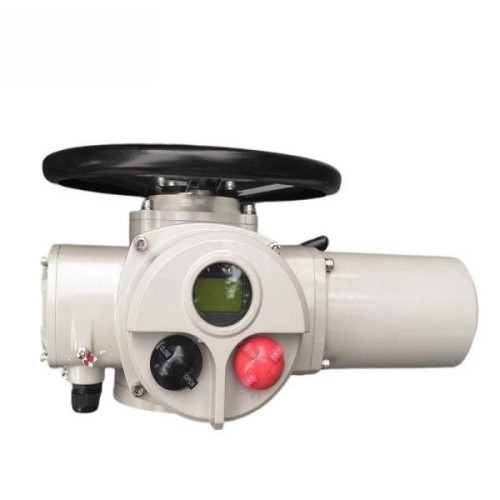
Electric actuators are devices used to control the operation of valves, dampers, and other mechanical systems by converting electrical energy into mechanical motion. They can be classified into several types based on their design, functionality, and application:
1. Multi-Turn Electric Actuators: These actuators are designed to provide rotational movement over multiple turns, making them suitable for applications that require precise and continuous positioning, such as gate valves and globe valves. They are often used in industrial settings where accurate control of fluid flow is essential.
2. Quarter-Turn Electric Actuators: Quarter-turn actuators are designed to provide rotational movement over a 90-degree angle, making them ideal for applications that require on/off or modulating control, such as ball valves and butterfly valves. They are commonly used in various industries for quick and efficient valve operation.
3. Electric Actuator with Fail-Safe Function: Some electric actuators are equipped with fail-safe features, such as spring-return mechanisms or battery backup, to ensure that the valve or damper returns to a safe position in the event of a power failure or system malfunction.
Electric actuators play a critical role in automating and controlling various industrial processes, and the selection of the appropriate type depends on factors such as the valve or damper application, torque or thrust requirements, control system compatibility, and safety considerations. Proper installation and maintenance of electric actuators are essential to ensure reliable and efficient operation within the mechanical system.
What Is An Actuator Used For?
Actuator is used to convert energy into mechanical motion, allowing it to control the operation of various mechanical systems. Actuators are commonly employed to automate the movement of valves, dampers, and other equipment in industrial, commercial, and residential settings. They play a crucial role in regulating the flow of fluids, gases, and other substances within piping systems, as well as in controlling the positioning of mechanical components. Actuators are also utilized in applications such as robotics, manufacturing machinery, HVAC systems, and automotive systems to enable precise and controlled movement. By converting energy into mechanical force, actuators facilitate the efficient operation and automation of a wide range of mechanical processes, contributing to improved system performance, safety, and reliability.












































































