


 Türkçe
 Afrikalı
 Arnavut
 Amharca
 Arapça
 Ermeni
 Azerice
 Bask
Bask
 Belarusça
 Bengalce
 Boşnakça
 Bulgarca
 Katalanca
 Cebuano
 Korsikalı
 Hırvat
 Çek
Çek
 Danimarka
 Flemenkçe
 İngilizce
 Esperanto
 Estonyalı
 Fince
Fince
 Fransızca
 Frizce
 Galiçyaca
 Gürcüce
 Almanca
 Yunan
Yunan
 Gujarati
 Haiti Kreyolu
 Hausa
Hausa
 Hawaii dili
 İbranice
 Hayır
Hayır
 Miao
Miao
 Macarca
 İzlandaca
 İbo
İbo
 Endonezya dili
 İrlandalı
 İtalyan
 Japonca
 Cava
Cava
 Kannadaca
 Kazak
Kazak
 Kmer
Kmer
 Ruanda
 Koreli
 Kürt
Kürt
 Kırgız
 TB
TB
 Latince
 Letonca
 Litvanyalı
 Lüksemburgca
 Makedonca
 Malgaşi
 Malayca
 Malayalam
 Malta
Malta
 Maori
Maori
 Marathi
 Moğolca
 Myanmar
 Nepalce
 Norveççe
 Norveççe
 Oksitanca
 Peştuca
 Farsça
 Lehçe
Lehçe
 Portekizce
 Pencap
 Romen
Romen
 Rusça
Rusça
 Samoalı
 İskoç Galcesi
 Sırpça
 İngilizce
 Shona
Shona
 Sindhi
 Sinhala
 Slovak
 Slovence
 Somalili
 İspanyol
 Sundan dili
 Svahili
 İsveççe
 Tagalogca
 Tacikçe
 Tamilce
 Tatar
Tatar
 Telugu
 Tay dili
 Türkmence
 Ukrayna
 Urduca
 Uygur
Uygur
 Özbekçe
 Vietnam
 Galce
Galce
 Yardım
 Yidiş
Yidiş
 Yoruba
 Zuluca


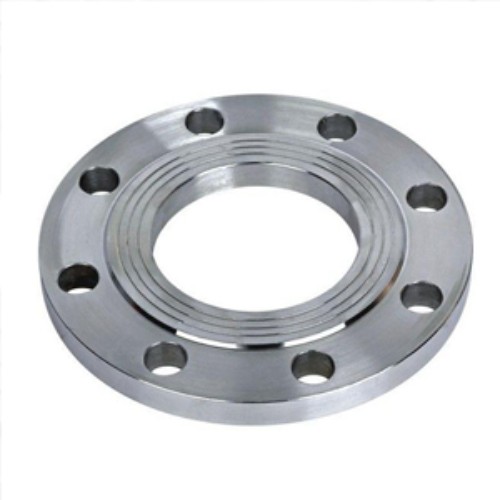
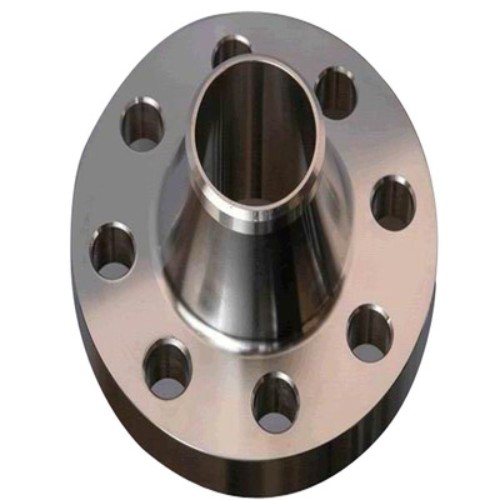
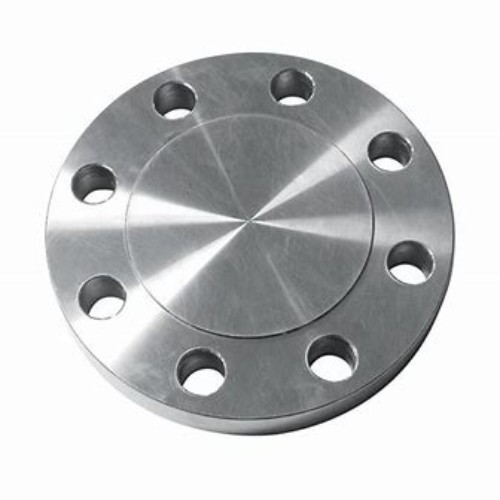
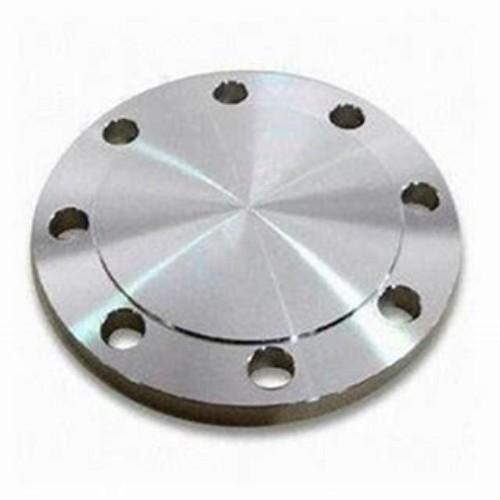
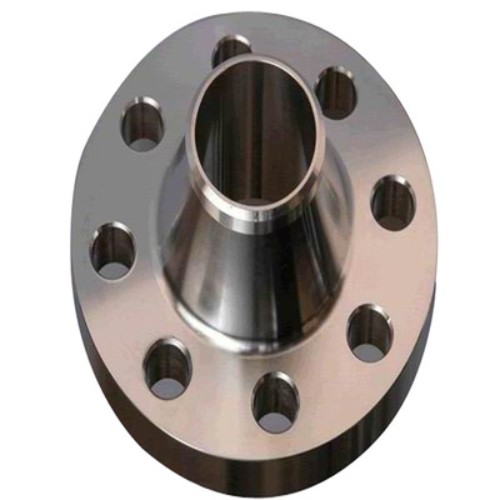
Flanges are important components for connecting pipes, valves, equipment and accessories to achieve safe and reliable connections. Flanges can be divided into various types according to different standards and uses. Common flange types include weld neck flanges, blind flanges, flange-to-flanges, sliding flanges, and threaded flanges. Welded neck flanges are suitable for high pressure and high temperature environments and are connected to pipes by welding to provide a stable connection. Blind flanges are used to close the ends of pipes to facilitate maintenance and inspection. Flange-to-flange is typically used to connect two pipes, while sliding flange allows the flange to slide over the pipe for easy installation and adjustment. Threaded flanges are suitable for low pressure environments and are threaded to pipes. Selecting the appropriate flange type depends on the pressure, temperature, media and installation requirements of the piping system. Proper selection and installation of flanges ensures safe operation and sealed connections in piping systems.
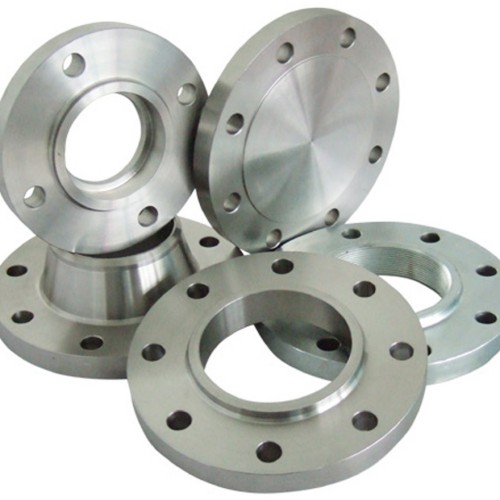
What Are The Types Of Flanges?
The types of flanges commonly used in piping systems include:
1. Weld Neck Flange: This type of flange is designed with a long, tapered hub that provides an ideal connection for high-pressure applications. The neck of the flange is welded to the pipe, offering strength and support at the joint.
2. Slip-On Flange: Slip-on flanges are easy to align and are used in low-pressure applications. They are slipped over the pipe and then welded both inside and outside to provide strength and prevent leakage.
3. Blind Flange: Blind flanges are solid disks used to block off a pipeline or to create a stop. They are commonly used for pressure testing the flow of gas or liquid through a pipeline.
4. Threaded Flange: Threaded flanges are used in low-pressure applications and are connected to the pipe with threads, providing a strong and reliable connection.
5. Lap Joint Flange: Lap joint flanges are used with a stub end or taft, which is welded to the pipe. The flange then slides over the pipe and is free to rotate around the stub end, allowing for easy alignment of bolt holes.
6. Socket Weld Flange: Socket weld flanges are used for high-pressure applications and are connected to the pipe by inserting the pipe into the socket end and then applying fillet weld around the top.
Each type of flange has specific characteristics and is suitable for different applications based on factors such as pressure, temperature, and the nature of the fluid being transported. Proper selection of flange type is crucial to ensure the integrity and safety of the piping system.












































































