


 Slovenščina
 Afriški
 albanski
 amharščina
 arabsko
 armenski
 azerbajdžanski
 baskovščina
 beloruski
 bengalščina
 bosanski
 bolgarščina
 katalonski
 Cebuano
 korziški
 hrvaško
 češki
češki
 danščina
 nizozemščina
 angleščina
 Esperanto
 estonski
 finščina
 francosko
 frizijščina
 galicijski
 gruzijski
 nemški
 grški
grški
 gudžaratščina
 haitska kreolščina
 hiša
hiša
 havajski
 hebrejščina
 ne
ne
 Miao
Miao
 madžarski
 islandski
 igbo
igbo
 indonezijski
 irski
irski
 italijanščina
 japonska
 javanska
 kanadščina
 kazahstanski
 kmerski
 ruandski
 korejščina
 kurdski
 Kirgiz
 TB
TB
 latinsko
 latvijščina
 litovski
 luksemburški
 makedonski
 Malgaši
 malajščina
 malajalamščina
 maltežan
 maorski
 maratščina
 mongolski
 Mjanmar
 nepalsko
 norveški
 norveški
 okcitanščina
 paštu
paštu
 perzijsko
 poljski
 portugalščina
 pandžabščina
 romunščina
 ruski
ruski
 samoanska
 škotska gelščina
 srbsko
 angleščina
 Shona
Shona
 Sindhi
 singalščina
 slovaški
 somalski
 španski
 sundanski
 svahili
 švedščina
 Tagalog
 tadžikistanski
 tamilščina
 tatarščina
 telugu
 tajska
 turško
 turkmenski
 ukrajinski
 urdu
urdu
 ujgurski
 Uzbek
Uzbek
 vietnamski
 valižanščina
 pomoč
pomoč
 jidiš
jidiš
 joruba
 Zulu
Zulu


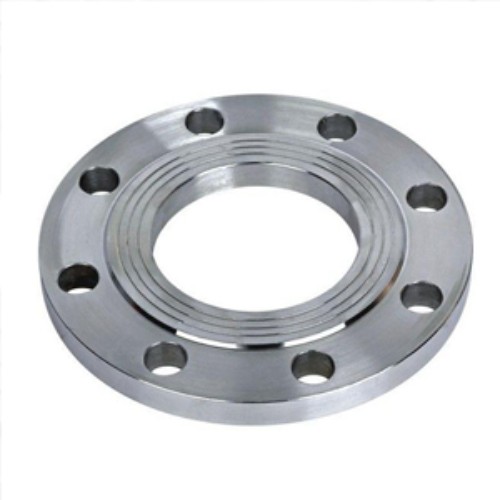
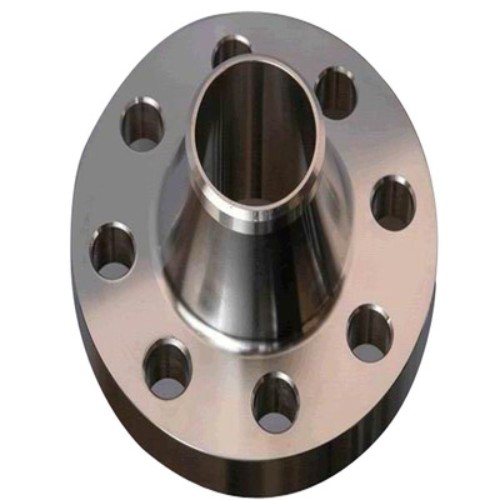
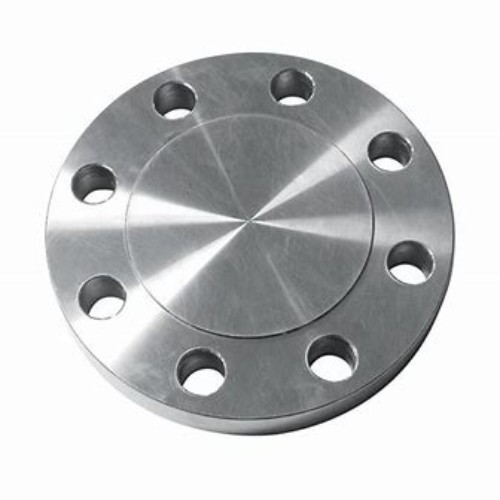
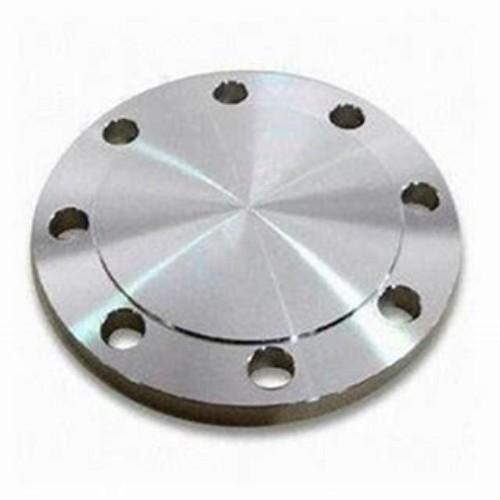
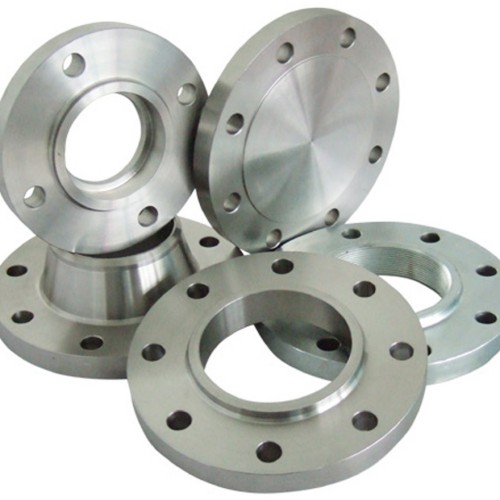
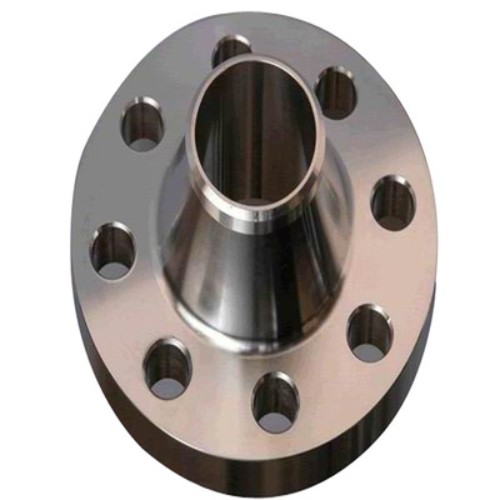
Flanges are important components for connecting pipes, valves, equipment and accessories to achieve safe and reliable connections. Flanges can be divided into various types according to different standards and uses. Common flange types include weld neck flanges, blind flanges, flange-to-flanges, sliding flanges, and threaded flanges. Welded neck flanges are suitable for high pressure and high temperature environments and are connected to pipes by welding to provide a stable connection. Blind flanges are used to close the ends of pipes to facilitate maintenance and inspection. Flange-to-flange is typically used to connect two pipes, while sliding flange allows the flange to slide over the pipe for easy installation and adjustment. Threaded flanges are suitable for low pressure environments and are threaded to pipes. Selecting the appropriate flange type depends on the pressure, temperature, media and installation requirements of the piping system. Proper selection and installation of flanges ensures safe operation and sealed connections in piping systems.
What Are The Types Of Flanges?
The types of flanges commonly used in piping systems include:
1. Weld Neck Flange: This type of flange is designed with a long, tapered hub that provides an ideal connection for high-pressure applications. The neck of the flange is welded to the pipe, offering strength and support at the joint.
2. Slip-On Flange: Slip-on flanges are easy to align and are used in low-pressure applications. They are slipped over the pipe and then welded both inside and outside to provide strength and prevent leakage.
3. Blind Flange: Blind flanges are solid disks used to block off a pipeline or to create a stop. They are commonly used for pressure testing the flow of gas or liquid through a pipeline.
4. Threaded Flange: Threaded flanges are used in low-pressure applications and are connected to the pipe with threads, providing a strong and reliable connection.
5. Lap Joint Flange: Lap joint flanges are used with a stub end or taft, which is welded to the pipe. The flange then slides over the pipe and is free to rotate around the stub end, allowing for easy alignment of bolt holes.
6. Socket Weld Flange: Socket weld flanges are used for high-pressure applications and are connected to the pipe by inserting the pipe into the socket end and then applying fillet weld around the top.
Each type of flange has specific characteristics and is suitable for different applications based on factors such as pressure, temperature, and the nature of the fluid being transported. Proper selection of flange type is crucial to ensure the integrity and safety of the piping system.












































































