


 ქართული
 აფრიკელი
 ალბანური
 ამჰარული
 არაბული
 სომხური
 აზერბაიჯანული
 ბასკური
 ბელორუსული
 ბენგალური
 ბოსნიელი
 ბულგარული
 კატალონიური
 სებუანო
 კორსიკული
 ხორვატული
 ჩეხური
 დანიური
 ჰოლანდიური
 ინგლისური
 ესპერანტო
 ესტონური
 ფინური
 ფრანგული
 ფრიზიული
 გალისიური
 გერმანული
 ბერძენი
 გუჯარათი
 ჰაიტური კრეოლური
 ჰაუსა
ჰაუსა
 ჰავაიელი
 ებრაული
 არა
არა
 მიაო
მიაო
 უნგრული
 ისლანდიური
 იგბო
იგბო
 ინდონეზიური
 ირლანდიური
 იტალიური
 იაპონელი
 იავური
 კანადა
 ყაზახური
 ქმერული
 რუანდა
 კორეული
 ქურთული
 ყირგიზული
 ტუბერკულოზი
 ლათინური
 ლატვიური
 ლიტვური
 ლუქსემბურგული
 მაკედონელი
 მალღაში
 მალაიზიური
 მალაიალამური
 მალტური
 მაორი
მაორი
 მარათჰი
 მონღოლური
 მიანმარი
 ნეპალური
 ნორვეგიული
 ნორვეგიული
 ოქსიტანური
 პუშტუ
პუშტუ
 სპარსული
 პოლონური
 პორტუგალიური
 პენჯაბური
 რუმინული
 რუსული
 სამოა
სამოა
 შოტლანდიური გალური
 სერბული
 ინგლისური
 შონა
შონა
 სინდი
სინდი
 სინჰალური
 სლოვაკური
 სლოვენური
 სომალიური
 ესპანური
 სუნდური
 სუაჰილი
 შვედური
 ტაგალო
 ტაჯიკური
 ტამილური
 თათრული
 ტელუგუ
 ტაილანდური
 თურქული
 თურქმენი
 უკრაინული
 ურდუ
ურდუ
 უიღური
 უზბეკური
 ვიეტნამური
 უელსური
 დახმარება
 იდიში
იდიში
 იორუბა
 ზულუ
ზულუ


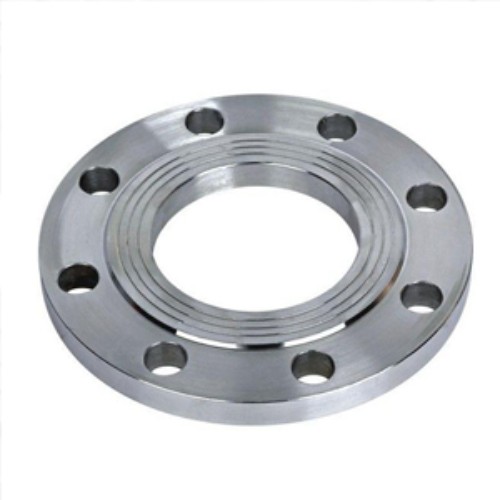
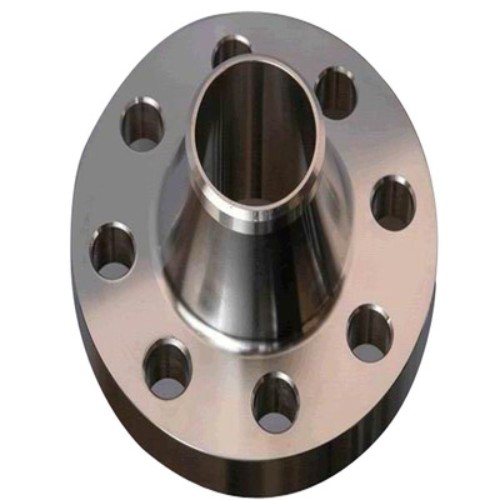
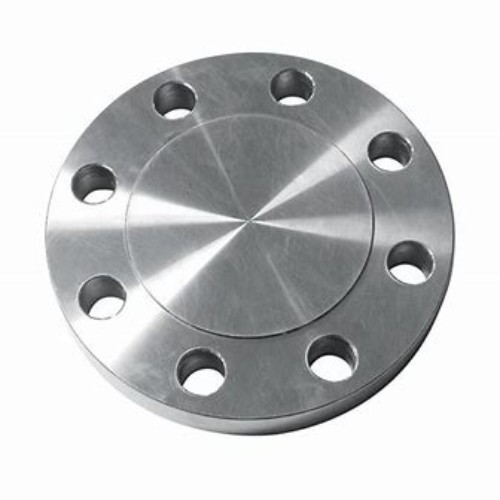
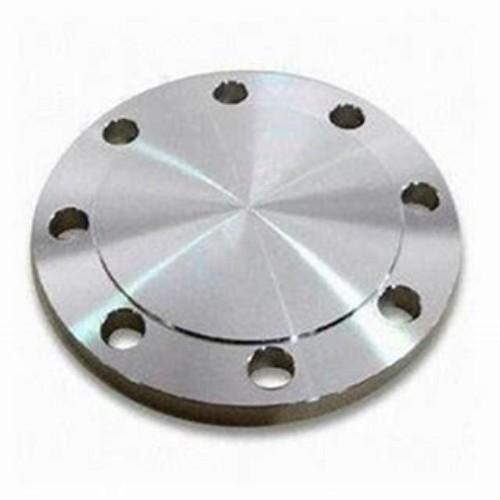
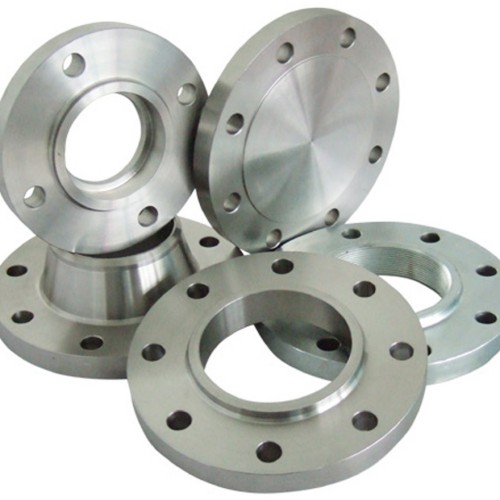
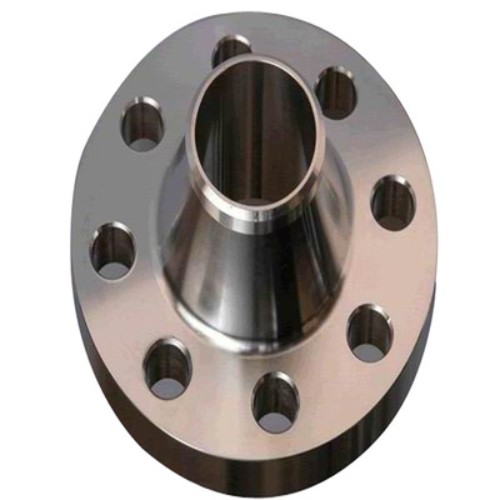
Flanges are important components for connecting pipes, valves, equipment and accessories to achieve safe and reliable connections. Flanges can be divided into various types according to different standards and uses. Common flange types include weld neck flanges, blind flanges, flange-to-flanges, sliding flanges, and threaded flanges. Welded neck flanges are suitable for high pressure and high temperature environments and are connected to pipes by welding to provide a stable connection. Blind flanges are used to close the ends of pipes to facilitate maintenance and inspection. Flange-to-flange is typically used to connect two pipes, while sliding flange allows the flange to slide over the pipe for easy installation and adjustment. Threaded flanges are suitable for low pressure environments and are threaded to pipes. Selecting the appropriate flange type depends on the pressure, temperature, media and installation requirements of the piping system. Proper selection and installation of flanges ensures safe operation and sealed connections in piping systems.
What Are The Types Of Flanges?
The types of flanges commonly used in piping systems include:
1. Weld Neck Flange: This type of flange is designed with a long, tapered hub that provides an ideal connection for high-pressure applications. The neck of the flange is welded to the pipe, offering strength and support at the joint.
2. Slip-On Flange: Slip-on flanges are easy to align and are used in low-pressure applications. They are slipped over the pipe and then welded both inside and outside to provide strength and prevent leakage.
3. Blind Flange: Blind flanges are solid disks used to block off a pipeline or to create a stop. They are commonly used for pressure testing the flow of gas or liquid through a pipeline.
4. Threaded Flange: Threaded flanges are used in low-pressure applications and are connected to the pipe with threads, providing a strong and reliable connection.
5. Lap Joint Flange: Lap joint flanges are used with a stub end or taft, which is welded to the pipe. The flange then slides over the pipe and is free to rotate around the stub end, allowing for easy alignment of bolt holes.
6. Socket Weld Flange: Socket weld flanges are used for high-pressure applications and are connected to the pipe by inserting the pipe into the socket end and then applying fillet weld around the top.
Each type of flange has specific characteristics and is suitable for different applications based on factors such as pressure, temperature, and the nature of the fluid being transported. Proper selection of flange type is crucial to ensure the integrity and safety of the piping system.












































































