


 Português
 africano
 albanês
 amárico
 árabe
árabe
 Armênio
 Azerbaijano
 Basco
Basco
 Bielorrusso
 bengali
 Bósnio
 búlgaro
 catalão
 Cebuano
 Córsega
 croata
 Tcheco
 dinamarquês
 Holandês
 Inglês
 esperanto
 estoniano
 finlandês
 Francês
 Frísio
 Galego
 Georgiano
 Alemão
 grego
grego
 Gujarati
 crioulo haitiano
 hausa
hausa
 havaiano
 hebraico
 Não
Não
 Miao
Miao
 húngaro
 islandês
 igbo
igbo
 indonésio
 irlandês
 italiano
 japonês
 Javanês
 Kannada
 cazaque
 Khmer
Khmer
 Ruanda
 coreano
 curdo
curdo
 Quirguistão
 tb
tb
 Latim
Latim
 letão
letão
 lituano
 Luxemburguês
 Macedônio
 malgashi
 malaio
 malaiala
 maltês
 maori
maori
 Marathi
 mongol
 Mianmar
 nepalês
 norueguês
 norueguês
 Occitano
 pashto
 persa
persa
 polonês
 punjabi
 romena
 russo
russo
 samoano
 gaélico escocês
 sérvio
 Inglês
 Shona
Shona
 Sindi
Sindi
 Cingalês
 Eslovaco
 esloveno
 somali
 Espanhol
 Sudanês
 suaíli
 sueco
sueco
 tagalo
 tadjique
 tâmil
tâmil
 Tártaro
 Telugu
 tailandês
 turco
turco
 turcomano
 ucraniano
 urdu
urdu
 Uigur
Uigur
 Usbeque
 vietnamita
 galês
galês
 Ajuda
Ajuda
 iídiche
 Iorubá
 zulu
zulu


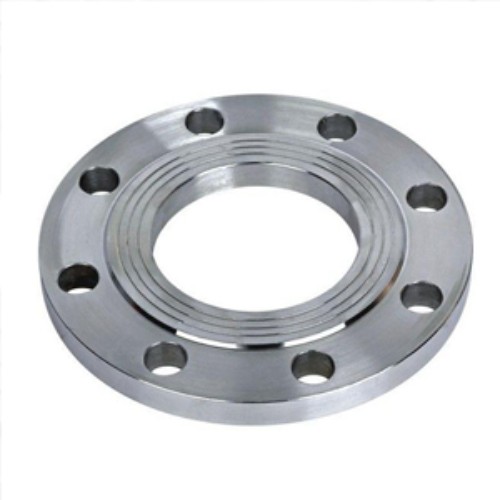
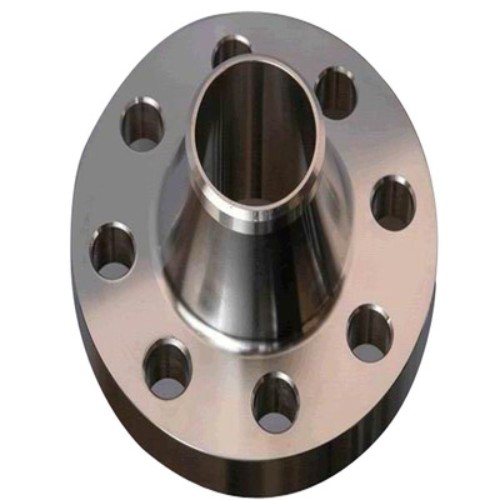
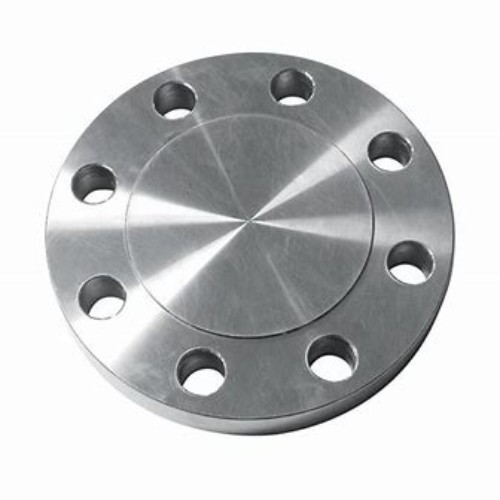
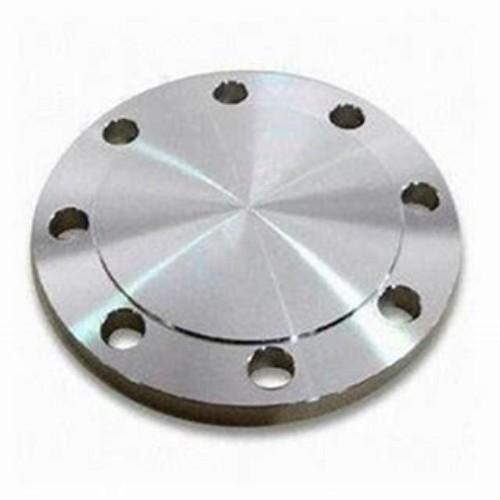
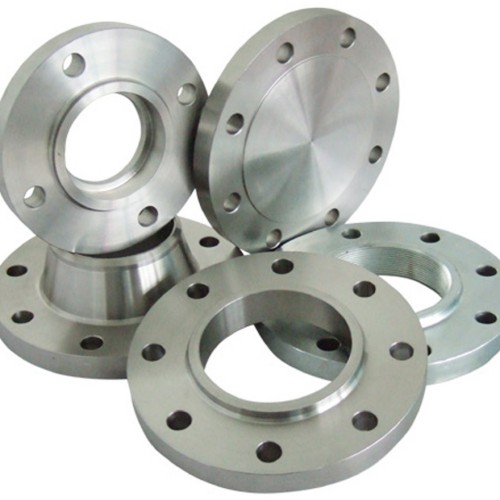
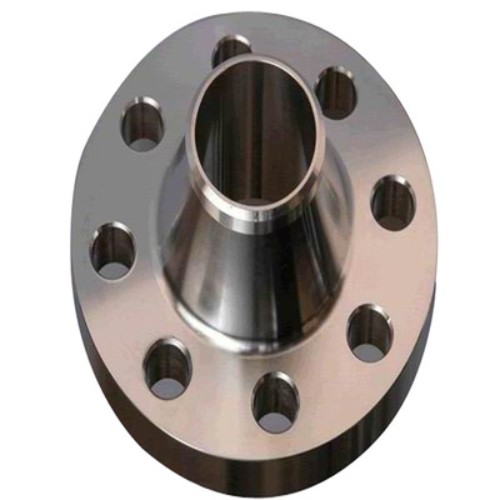
Flanges are important components for connecting pipes, valves, equipment and accessories to achieve safe and reliable connections. Flanges can be divided into various types according to different standards and uses. Common flange types include weld neck flanges, blind flanges, flange-to-flanges, sliding flanges, and threaded flanges. Welded neck flanges are suitable for high pressure and high temperature environments and are connected to pipes by welding to provide a stable connection. Blind flanges are used to close the ends of pipes to facilitate maintenance and inspection. Flange-to-flange is typically used to connect two pipes, while sliding flange allows the flange to slide over the pipe for easy installation and adjustment. Threaded flanges are suitable for low pressure environments and are threaded to pipes. Selecting the appropriate flange type depends on the pressure, temperature, media and installation requirements of the piping system. Proper selection and installation of flanges ensures safe operation and sealed connections in piping systems.
What Are The Types Of Flanges?
The types of flanges commonly used in piping systems include:
1. Weld Neck Flange: This type of flange is designed with a long, tapered hub that provides an ideal connection for high-pressure applications. The neck of the flange is welded to the pipe, offering strength and support at the joint.
2. Slip-On Flange: Slip-on flanges are easy to align and are used in low-pressure applications. They are slipped over the pipe and then welded both inside and outside to provide strength and prevent leakage.
3. Blind Flange: Blind flanges are solid disks used to block off a pipeline or to create a stop. They are commonly used for pressure testing the flow of gas or liquid through a pipeline.
4. Threaded Flange: Threaded flanges are used in low-pressure applications and are connected to the pipe with threads, providing a strong and reliable connection.
5. Lap Joint Flange: Lap joint flanges are used with a stub end or taft, which is welded to the pipe. The flange then slides over the pipe and is free to rotate around the stub end, allowing for easy alignment of bolt holes.
6. Socket Weld Flange: Socket weld flanges are used for high-pressure applications and are connected to the pipe by inserting the pipe into the socket end and then applying fillet weld around the top.
Each type of flange has specific characteristics and is suitable for different applications based on factors such as pressure, temperature, and the nature of the fluid being transported. Proper selection of flange type is crucial to ensure the integrity and safety of the piping system.












































































