


 Português
 africano
 albanês
 amárico
 árabe
árabe
 Armênio
 Azerbaijano
 Basco
Basco
 Bielorrusso
 bengali
 Bósnio
 búlgaro
 catalão
 Cebuano
 Córsega
 croata
 Tcheco
 dinamarquês
 Holandês
 Inglês
 esperanto
 estoniano
 finlandês
 Francês
 Frísio
 Galego
 Georgiano
 Alemão
 grego
grego
 Gujarati
 crioulo haitiano
 hausa
hausa
 havaiano
 hebraico
 Não
Não
 Miao
Miao
 húngaro
 islandês
 igbo
igbo
 indonésio
 irlandês
 italiano
 japonês
 Javanês
 Kannada
 cazaque
 Khmer
Khmer
 Ruanda
 coreano
 curdo
curdo
 Quirguistão
 tb
tb
 Latim
Latim
 letão
letão
 lituano
 Luxemburguês
 Macedônio
 malgashi
 malaio
 malaiala
 maltês
 maori
maori
 Marathi
 mongol
 Mianmar
 nepalês
 norueguês
 norueguês
 Occitano
 pashto
 persa
persa
 polonês
 punjabi
 romena
 russo
russo
 samoano
 gaélico escocês
 sérvio
 Inglês
 Shona
Shona
 Sindi
Sindi
 Cingalês
 Eslovaco
 esloveno
 somali
 Espanhol
 Sudanês
 suaíli
 sueco
sueco
 tagalo
 tadjique
 tâmil
tâmil
 Tártaro
 Telugu
 tailandês
 turco
turco
 turcomano
 ucraniano
 urdu
urdu
 Uigur
Uigur
 Usbeque
 vietnamita
 galês
galês
 Ajuda
Ajuda
 iídiche
 Iorubá
 zulu
zulu


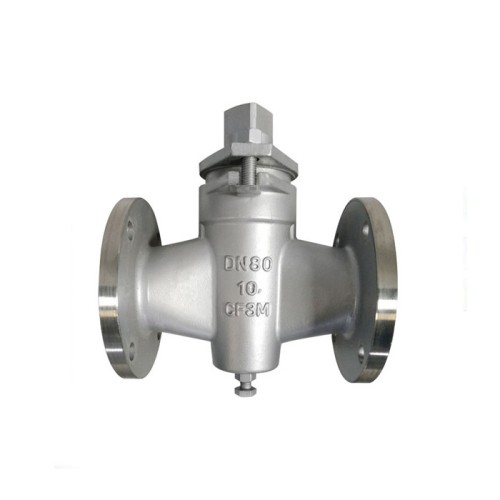
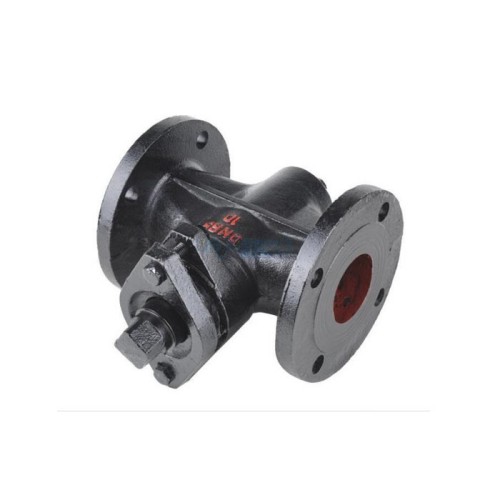
Plug valve is a type of quarter-turn valve that uses a cylindrical or tapered plug to control the flow of fluid through the valve. The plug can be rotated within the valve body to allow or block the flow, making it a versatile and reliable option for various applications. Plug valves are commonly used in industries such as oil and gas, chemical processing, and water treatment, where they are valued for their ability to provide tight shutoff and low maintenance requirements. These valves are suitable for on/off and throttling applications, and they are often used in systems where frequent operation and positive shutoff are essential. The design of plug valves allows for quick and easy operation, making them well-suited for applications that require rapid response to flow control changes. Additionally, plug valves are available in various configurations, including lubricated plug valves, non-lubricated plug valves, and sleeved plug valves, each offering specific advantages for different operating conditions. Proper selection and maintenance of plug valves are essential to ensure their reliable performance and longevity within the fluid system.
What Is The Difference Between A Plug Valve And A Gate Valve?
The main difference between a plug valve and a gate valve lies in their internal mechanisms and how they control the flow of fluid.
Plug valve uses a cylindrical or tapered plug to control the flow. The plug can be rotated within the valve body to allow or block the flow, making it a versatile option for various applications. Plug valves are commonly used for on/off and throttling applications, and they are known for their tight shutoff capabilities and low maintenance requirements.
On the other hand, gate valve controls the flow of fluid using a gate or wedge that moves up and down to either block or allow the flow. Gate valves are typically used for fully open or fully closed applications, rather than for throttling. They are known for their ability to provide a tight seal when fully closed, but they may not offer the same level of control as plug valves in throttling applications.
In summary, the key difference is that plug valves use a cylindrical or tapered plug to control flow and are suitable for both on/off and throttling applications, while gate valves use a gate or wedge to control flow and are primarily used for fully open or fully closed applications.












































































