


 norsk
norsk
 afrikansk
 albansk
 amharisk
 arabisk
 armensk
 aserbajdsjansk
 baskisk
 hviterussisk
 bengali
 bosnisk
 Bulgarsk
 katalansk
 Cebuano
 korsikansk
 Kroatisk
 tsjekkisk
 dansk
dansk
 nederlandsk
 Engelsk
 Esperanto
 estisk
 finsk
finsk
 fransk
 frisisk
 galisisk
 georgisk
 tysk
tysk
 gresk
gresk
 Gujarati
 haitisk kreolsk
 hausa
hausa
 hawaiisk
 Hebraisk
 Nei
Nei
 Miao
Miao
 ungarsk
 islandsk
 igbo
igbo
 indonesisk
 irsk
irsk
 italiensk
 japansk
 javanesisk
 Kannada
 kasakhisk
 Khmer
Khmer
 rwandisk
 koreansk
 kurdisk
 kirgisisk
 TB
TB
 latin
latin
 latvisk
 litauisk
 luxemburgsk
 makedonsk
 Malgashi
 malaysisk
 Malayalam
 maltesisk
 Maori
Maori
 Marathi
 mongolsk
 Myanmar
 nepalesisk
 norsk
norsk
 oksitansk
 Pashto
 persisk
 Pusse
Pusse
 portugisisk
 Punjabi
 rumensk
 russisk
 samoansk
 skotsk gælisk
 serbisk
 Engelsk
 Shona
Shona
 Sindhi
 singalesisk
 slovakisk
 slovensk
 Somali
 spansk
 Sundanesisk
 Swahili
 svensk
 Tagalog
 tadsjikisk
 Tamil
Tamil
 tatarisk
 Telugu
 Thai
Thai
 tyrkisk
 turkmenske
 ukrainsk
 Urdu
Urdu
 Uigur
Uigur
 usbekisk
 vietnamesisk
 walisisk
 Hjelp
Hjelp
 Jiddisch
 Yoruba
 Zulu
Zulu


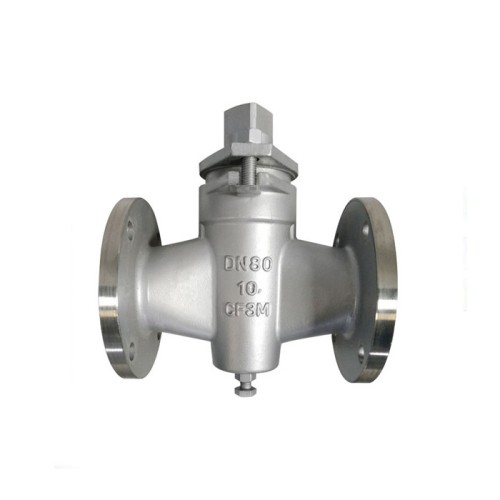
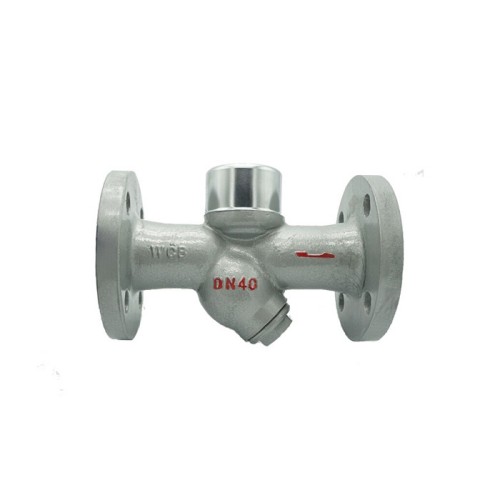
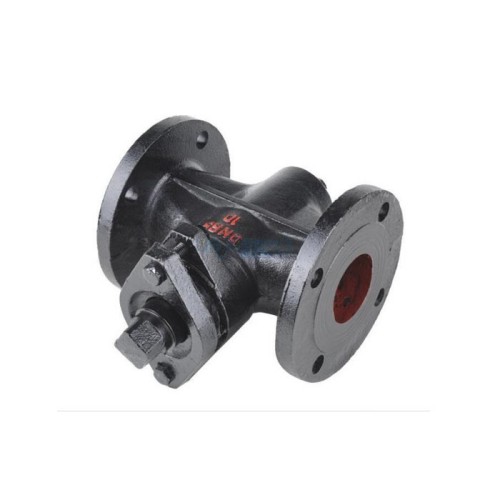
Plug valve is a type of quarter-turn valve that uses a cylindrical or tapered plug to control the flow of fluid through the valve. The plug can be rotated within the valve body to allow or block the flow, making it a versatile and reliable option for various applications. Plug valves are commonly used in industries such as oil and gas, chemical processing, and water treatment, where they are valued for their ability to provide tight shutoff and low maintenance requirements. These valves are suitable for on/off and throttling applications, and they are often used in systems where frequent operation and positive shutoff are essential. The design of plug valves allows for quick and easy operation, making them well-suited for applications that require rapid response to flow control changes. Additionally, plug valves are available in various configurations, including lubricated plug valves, non-lubricated plug valves, and sleeved plug valves, each offering specific advantages for different operating conditions. Proper selection and maintenance of plug valves are essential to ensure their reliable performance and longevity within the fluid system.
What Is The Difference Between A Plug Valve And A Gate Valve?
The main difference between a plug valve and a gate valve lies in their internal mechanisms and how they control the flow of fluid.
Plug valve uses a cylindrical or tapered plug to control the flow. The plug can be rotated within the valve body to allow or block the flow, making it a versatile option for various applications. Plug valves are commonly used for on/off and throttling applications, and they are known for their tight shutoff capabilities and low maintenance requirements.
On the other hand, gate valve controls the flow of fluid using a gate or wedge that moves up and down to either block or allow the flow. Gate valves are typically used for fully open or fully closed applications, rather than for throttling. They are known for their ability to provide a tight seal when fully closed, but they may not offer the same level of control as plug valves in throttling applications.
In summary, the key difference is that plug valves use a cylindrical or tapered plug to control flow and are suitable for both on/off and throttling applications, while gate valves use a gate or wedge to control flow and are primarily used for fully open or fully closed applications.












































































