


 Suomalainen
 afrikkalainen
 albanialainen
 amhara
 arabialainen
 armenialainen
 Azerbaidžani
 baski
baski
 valkovenäläinen
 bengali
 bosnialainen
 bulgarialainen
 katalaani
 Cebuano
 Korsikalainen
 Kroatia
 Tšekki
 Tanskan kieli
 Hollannin kieli
 Englanti
 esperanto
 Virolainen
 Ranskan kieli
 friisi
 Galicialainen
 Georgian
 Saksan kieli
 kreikkalainen
 gudžarati
 Haitin kreoli
 hausa
hausa
 havaijilainen
 heprealainen
 Ei
Ei
 Miao
Miao
 Unkarin kieli
 islantilainen
 igbo
igbo
 Indonesialainen
 irlantilainen
 italialainen
 japanilainen
 jaavalainen
 kannada
 kazakki
 khmerit
 Ruanda
 Korealainen
 kurdi
kurdi
 Kirgisia
 TB
TB
 Latina
 Latvialainen
 liettualainen
 luxemburgilainen
 makedonialainen
 Malgashi
 malaiji
 malajalami
 maltalainen
 maori
maori
 marathi
 mongolialainen
 Myanmar
 Nepali
 Norjan kieli
 Norjan kieli
 Oksitaani
 pashto
 persialainen
 Kiillottaa
 Portugalin kieli
 Punjabi
 romanialainen
 Venäjän kieli
 samoalainen
 Skotlannin gaeli
 serbia
 Englanti
 Shona
Shona
 Sindhi
 sinhala
 Slovakian
 slovenialainen
 somali
 Espanja
 sundalainen
 swahili
 Ruotsin kieli
 Tagalog
 tadžiki
 tamili
 tatari
 telugu
 thaimaalainen
 turkkilainen
 Turkmenistan
 ukrainalainen
 urdu
urdu
 uiguuri
 uzbekki
 vietnam
 Walesin
 auta
auta
 jiddish
 joruba
 zulu
zulu


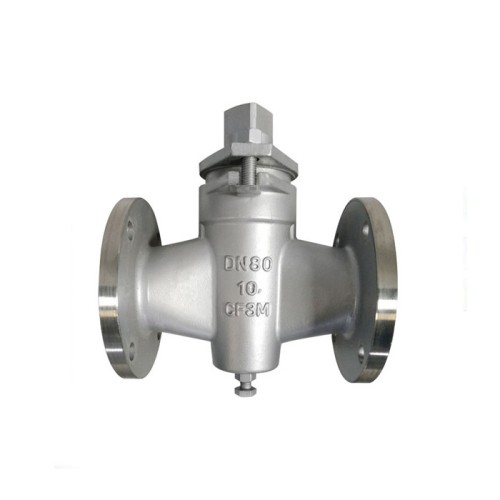
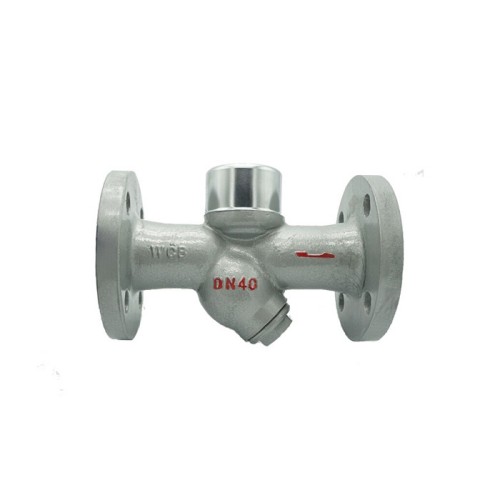
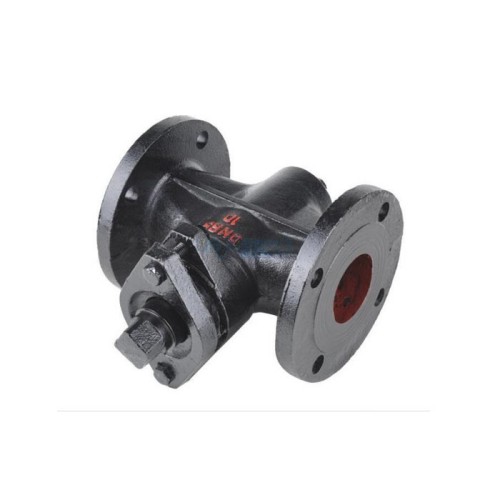
Plug valve is a type of quarter-turn valve that uses a cylindrical or tapered plug to control the flow of fluid through the valve. The plug can be rotated within the valve body to allow or block the flow, making it a versatile and reliable option for various applications. Plug valves are commonly used in industries such as oil and gas, chemical processing, and water treatment, where they are valued for their ability to provide tight shutoff and low maintenance requirements. These valves are suitable for on/off and throttling applications, and they are often used in systems where frequent operation and positive shutoff are essential. The design of plug valves allows for quick and easy operation, making them well-suited for applications that require rapid response to flow control changes. Additionally, plug valves are available in various configurations, including lubricated plug valves, non-lubricated plug valves, and sleeved plug valves, each offering specific advantages for different operating conditions. Proper selection and maintenance of plug valves are essential to ensure their reliable performance and longevity within the fluid system.
What Is The Difference Between A Plug Valve And A Gate Valve?
The main difference between a plug valve and a gate valve lies in their internal mechanisms and how they control the flow of fluid.
Plug valve uses a cylindrical or tapered plug to control the flow. The plug can be rotated within the valve body to allow or block the flow, making it a versatile option for various applications. Plug valves are commonly used for on/off and throttling applications, and they are known for their tight shutoff capabilities and low maintenance requirements.
On the other hand, gate valve controls the flow of fluid using a gate or wedge that moves up and down to either block or allow the flow. Gate valves are typically used for fully open or fully closed applications, rather than for throttling. They are known for their ability to provide a tight seal when fully closed, but they may not offer the same level of control as plug valves in throttling applications.
In summary, the key difference is that plug valves use a cylindrical or tapered plug to control flow and are suitable for both on/off and throttling applications, while gate valves use a gate or wedge to control flow and are primarily used for fully open or fully closed applications.












































































