


 Kurdî
Kurdî
 efrîkanî
 Albanî
 Amharîkî
 Erebî
Erebî
 Ermenî
 Azerî
Azerî
 Baskî
Baskî
 Belarûsî
 Bengalî
 Bosnayî
 Bûlgarî
 Katalanî
 Cebuano
 Korsîkayî
 Xirwatî
 Çekî
Çekî
 Danîmarkî
 Holandî
 Îngilîzî
 Esperanto
 Estonî
 Fînlandî
 Fransî
 frîzî
frîzî
 Galîsyayî
 Gurcî
Gurcî
 Almanî
 Yewnanî
 Gujaratî
 Kreoliya Haîtiyî
 Hausa
Hausa
 Hawaiyî
 Îbranî
 Nexêr
Nexêr
 Miao
Miao
 Macarî
 Îzlandî
 igbo
igbo
 Îndonezî
 Irlandî
 Îtalî
Îtalî
 Japonî
 Javanesî
 Kanadayî
 Qazakî
 Khmer
Khmer
 Rwandan
 Koreyî
 Qirgizî
 TB
TB
 Latînî
 Letonî
 Lîtvanyayî
 Luksembûrgî
 Makedonî
 Malgashi
 Malayî
 Malayalamî
 Maltezî
 Maorîyî
 Maratî
 Moxolî
 Mîyanmar
 Nepalî
 Norwêcî
 Norwêcî
 Occitan
 Peştûyî
 Farsî
Farsî
 Polandî
 Portekizî
 Pencabî
 Romanyayî
 Rûsî
Rûsî
 Samoan
 Scottish Gaelic
 Sirbî
Sirbî
 Îngilîzî
 Shona
Shona
 Sindî
Sindî
 Sinhala
 Slovakî
 Slovenî
 Somalîkî
 Îspanyolî
 Sundanese
 Swahîlîyî
 Swêdî
Swêdî
 Tagalogî
 Tajik
Tajik
 Tamîlî
 Tatar
Tatar
 Teluguyî
 Thayîkî
 Tirkî
Tirkî
 Tirkmenî
 Ûkraynî
 Ûrdûyî
 Uyghur
 Ozbekî
 Vîetnamî
 Galerkî
 Alîkarî
 Yîddîşî
 Yorûbayî
 Zulu
Zulu


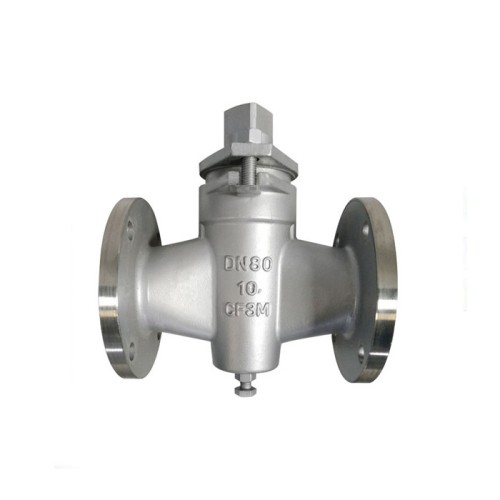
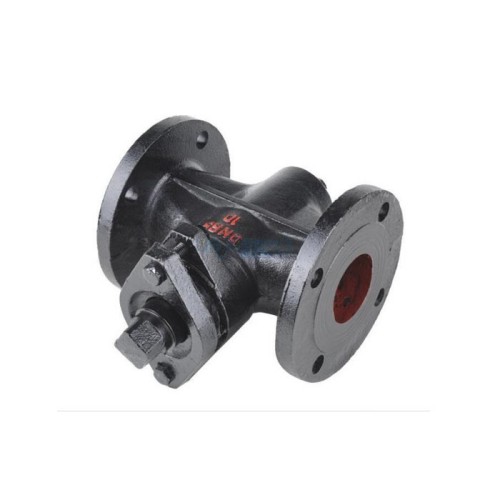
Plug valve is a type of quarter-turn valve that uses a cylindrical or tapered plug to control the flow of fluid through the valve. The plug can be rotated within the valve body to allow or block the flow, making it a versatile and reliable option for various applications. Plug valves are commonly used in industries such as oil and gas, chemical processing, and water treatment, where they are valued for their ability to provide tight shutoff and low maintenance requirements. These valves are suitable for on/off and throttling applications, and they are often used in systems where frequent operation and positive shutoff are essential. The design of plug valves allows for quick and easy operation, making them well-suited for applications that require rapid response to flow control changes. Additionally, plug valves are available in various configurations, including lubricated plug valves, non-lubricated plug valves, and sleeved plug valves, each offering specific advantages for different operating conditions. Proper selection and maintenance of plug valves are essential to ensure their reliable performance and longevity within the fluid system.
What Is The Difference Between A Plug Valve And A Gate Valve?
The main difference between a plug valve and a gate valve lies in their internal mechanisms and how they control the flow of fluid.
Plug valve uses a cylindrical or tapered plug to control the flow. The plug can be rotated within the valve body to allow or block the flow, making it a versatile option for various applications. Plug valves are commonly used for on/off and throttling applications, and they are known for their tight shutoff capabilities and low maintenance requirements.
On the other hand, gate valve controls the flow of fluid using a gate or wedge that moves up and down to either block or allow the flow. Gate valves are typically used for fully open or fully closed applications, rather than for throttling. They are known for their ability to provide a tight seal when fully closed, but they may not offer the same level of control as plug valves in throttling applications.
In summary, the key difference is that plug valves use a cylindrical or tapered plug to control flow and are suitable for both on/off and throttling applications, while gate valves use a gate or wedge to control flow and are primarily used for fully open or fully closed applications.












































































