


 Frysk
Frysk
 Afrikaanske
 Albaneesk
 Amhaarsk
 Arabysk
 Armeensk
 Azerbeidzjaansk
 Baskysk
 Wytrussysk
 Bengaalsk
 Bosnysk
 Bulgaarsk
 Katalaansk
 Cebuano
 Korsikaansk
 Kroatysk
 Tsjechysk
 Deensk
 Nederlânsk
 Ingelsk
 Esperanto
 Estysk
 Finsk
Finsk
 Frânsk
 Galyskysk
 Georgysk
 Dútsk
Dútsk
 Gryksk
 Gujaratysk
 Haïtiaansk Kreaolsk
 Hausa
Hausa
 Hawaïaansk
 Hebrieuwsk
 Nee
Nee
 Miao
Miao
 Hongaarsk
 Yslânsk
 igbo
igbo
 Yndonesysk
 Iersk
Iersk
 Italiaansk
 Japansk
 Javaansk
 Kannada
 Kazachsk
 Khmer
Khmer
 Rwandan
 Koreaansk
 Koerdysk
 Kirgizysk
 TB
TB
 Latyn
Latyn
 Letsk
Letsk
 Litousk
 Lúksemboarchsk
 Masedoanysk
 Malgashi
 Maleisk
 Malayalam
 Malteesk
 Maori
Maori
 Maratysk
 Mongoalsk
 Birma
Birma
 Nepaleesk
 Noarsk
 Noarsk
 Oksitaansk
 Pashtu
 Perzysk
 Poalsk
 Portegeesk
 Pûndjaabsk
 Roemeensk
 Russysk
 Samoan
 Skotsk Gaelic
 Servysk
 Ingelsk
 Shona
Shona
 Sindysk
 Sinhala
 Slowaaksk
 Sloveensk
 Somalysk
 Spaansk
 Soendaneesk
 Swahily
 Sweedsk
 Tagaloch
 Tajik
Tajik
 Tamyl
Tamyl
 Tatar
Tatar
 Telugu
 Taisk
Taisk
 Turksk
 Turkmeensk
 Oekraynsk
 Urdu
Urdu
 Uighur
 Uzbek
Uzbek
 Fietnameesk
 Welsh
Welsh
 Help
Help
 Jiddysk
 Yoruba
 Zulu
Zulu


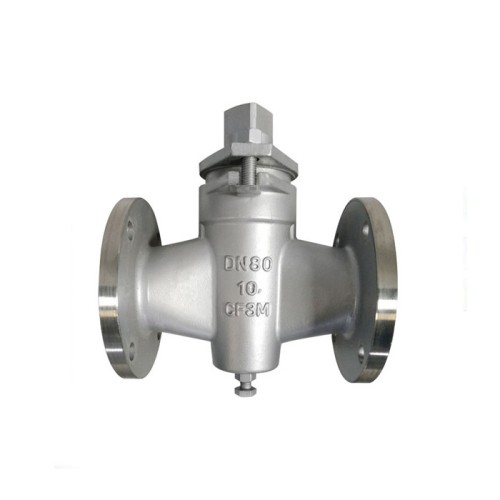
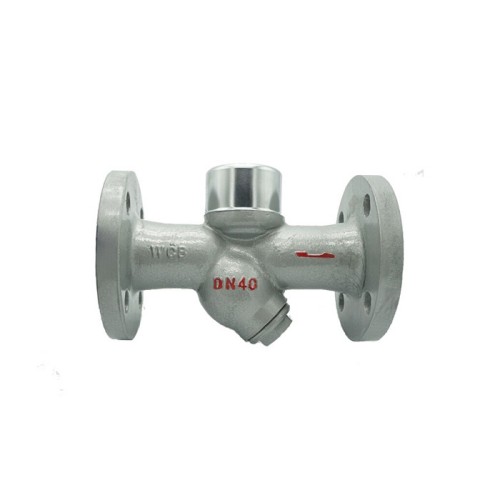
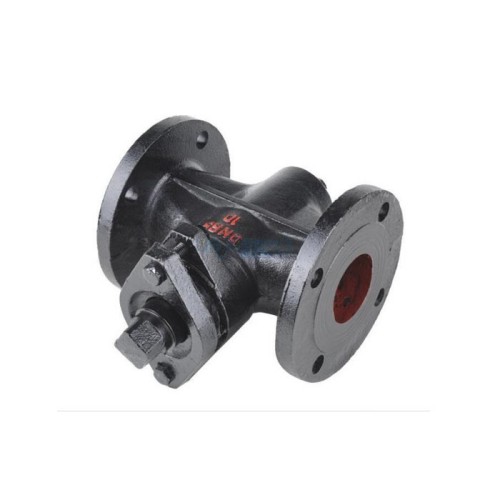
Plug valve is a type of quarter-turn valve that uses a cylindrical or tapered plug to control the flow of fluid through the valve. The plug can be rotated within the valve body to allow or block the flow, making it a versatile and reliable option for various applications. Plug valves are commonly used in industries such as oil and gas, chemical processing, and water treatment, where they are valued for their ability to provide tight shutoff and low maintenance requirements. These valves are suitable for on/off and throttling applications, and they are often used in systems where frequent operation and positive shutoff are essential. The design of plug valves allows for quick and easy operation, making them well-suited for applications that require rapid response to flow control changes. Additionally, plug valves are available in various configurations, including lubricated plug valves, non-lubricated plug valves, and sleeved plug valves, each offering specific advantages for different operating conditions. Proper selection and maintenance of plug valves are essential to ensure their reliable performance and longevity within the fluid system.
What Is The Difference Between A Plug Valve And A Gate Valve?
The main difference between a plug valve and a gate valve lies in their internal mechanisms and how they control the flow of fluid.
Plug valve uses a cylindrical or tapered plug to control the flow. The plug can be rotated within the valve body to allow or block the flow, making it a versatile option for various applications. Plug valves are commonly used for on/off and throttling applications, and they are known for their tight shutoff capabilities and low maintenance requirements.
On the other hand, gate valve controls the flow of fluid using a gate or wedge that moves up and down to either block or allow the flow. Gate valves are typically used for fully open or fully closed applications, rather than for throttling. They are known for their ability to provide a tight seal when fully closed, but they may not offer the same level of control as plug valves in throttling applications.
In summary, the key difference is that plug valves use a cylindrical or tapered plug to control flow and are suitable for both on/off and throttling applications, while gate valves use a gate or wedge to control flow and are primarily used for fully open or fully closed applications.












































































