


 Hrvatski
 afrički
 albanski
 amharski
 arapski
 Armenac
 azerbajdžanski
 baskijski
 bjeloruski
 bengalski
 bosanski
 bugarski
 katalonski
 Cebuano
 Korzikanac
 češki
češki
 danski
 nizozemski
 Engleski
 esperanto
 estonski
 finski
 francuski
 frizijski
 galicijski
 gruzijski
 njemački
 grčki
grčki
 gudžarati
 haićanski kreolski
 kuća
kuća
 havajski
 hebrejski
 Ne
Ne
 Miao
Miao
 mađarski
 islandski
 igbo
igbo
 indonezijski
 irski
irski
 talijanski
 japanski
 javanski
 kannada
 kazahstanski
 kmerski
 ruandski
 korejski
 kurdski
 Kirgistan
 TBC
TBC
 latinski
 latvijski
 litvanski
 luksemburški
 makedonski
 Malgaši
 malajski
 malajalamski
 malteški
 maorski
 marati
 mongolski
 Mianmar
 nepalski
 norveški
 norveški
 oksitanski
 paštunski
 perzijski
 Polirati
 Portugalski
 pandžapski
 rumunjski
 ruski
ruski
 Samoanac
 škotski galski
 srpski
 Engleski
 Shona
Shona
 sindhi
 sinhalski
 slovački
 slovenski
 somalijski
 španjolski
 sundanski
 svahili
 švedski
 tagalog
 tadžički
 Tamil
Tamil
 tatarski
 teluški
 tajlandski
 turski
 turkmenski
 ukrajinski
 urdu
urdu
 ujgurski
 uzbečki
 vijetnamski
 velški
 Pomozite
 jidiš
jidiš
 joruba
 zulu
zulu


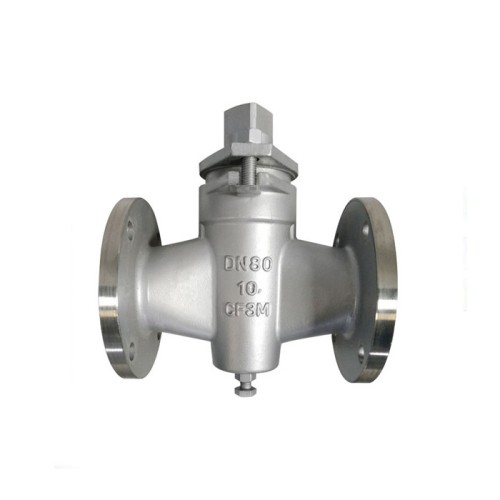
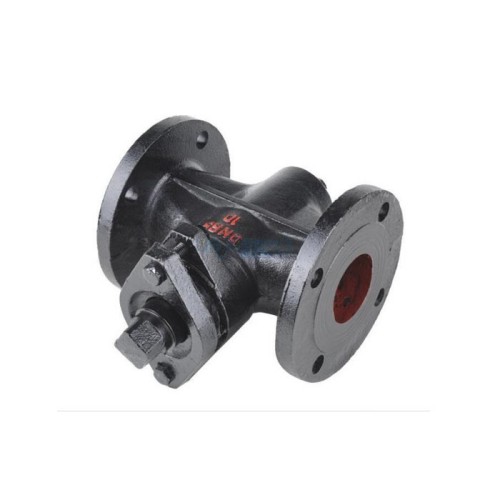
Plug valve is a type of quarter-turn valve that uses a cylindrical or tapered plug to control the flow of fluid through the valve. The plug can be rotated within the valve body to allow or block the flow, making it a versatile and reliable option for various applications. Plug valves are commonly used in industries such as oil and gas, chemical processing, and water treatment, where they are valued for their ability to provide tight shutoff and low maintenance requirements. These valves are suitable for on/off and throttling applications, and they are often used in systems where frequent operation and positive shutoff are essential. The design of plug valves allows for quick and easy operation, making them well-suited for applications that require rapid response to flow control changes. Additionally, plug valves are available in various configurations, including lubricated plug valves, non-lubricated plug valves, and sleeved plug valves, each offering specific advantages for different operating conditions. Proper selection and maintenance of plug valves are essential to ensure their reliable performance and longevity within the fluid system.
What Is The Difference Between A Plug Valve And A Gate Valve?
The main difference between a plug valve and a gate valve lies in their internal mechanisms and how they control the flow of fluid.
Plug valve uses a cylindrical or tapered plug to control the flow. The plug can be rotated within the valve body to allow or block the flow, making it a versatile option for various applications. Plug valves are commonly used for on/off and throttling applications, and they are known for their tight shutoff capabilities and low maintenance requirements.
On the other hand, gate valve controls the flow of fluid using a gate or wedge that moves up and down to either block or allow the flow. Gate valves are typically used for fully open or fully closed applications, rather than for throttling. They are known for their ability to provide a tight seal when fully closed, but they may not offer the same level of control as plug valves in throttling applications.
In summary, the key difference is that plug valves use a cylindrical or tapered plug to control flow and are suitable for both on/off and throttling applications, while gate valves use a gate or wedge to control flow and are primarily used for fully open or fully closed applications.












































































