


 Ελληνικά
 αφρικανός
 Αλβανός
 Αμαρικά
 αραβικός
 αρμενικός
 Αζερμπαϊτζάν
 Βάσκος
 Λευκορωσική
 Μπενγκάλι
 Βόσνιος
 Βούλγαρος
 καταλανικά
 Cebuano
 Κορσικανός
 Κροατία
 Τσέχος
 δανικός
 Ολλανδός
 Αγγλικά
 εσπεράντο
 Εσθονική
 φινλανδικός
 γαλλική γλώσσα
 Φριζ
Φριζ
 Γαλικιανός
 Γεωργιανή
 Γερμανός
 Γκουτζαράτι
 Κρεολική Αϊτής
 hausa
hausa
 Χαβάης
 Εβραϊκά
 Όχι
Όχι
 Miao
Miao
 ουγγρικός
 ισλανδικός
 igbo
igbo
 Ινδονησιακά
 ιρλανδικός
 ιταλικός
 Ιαπωνικά
 Ιάβας
Ιάβας
 Κανάντα
 καζακικά
 Χμερ
Χμερ
 Ρουάντα
 κορεάτης
 κουρδικά
 Κιργιζικά
 ΤΒ
ΤΒ
 λατινικά
 λετονική
 Λιθουανικά
 Λουξεμβουργιανό
 Μακεδόνας
 Μαλγκάσι
 Μαλαισίας
 Μαλαγιαλάμ
 μαλτέζος
 Μαορί
Μαορί
 Μαράθι
 Μογγόλος
 Μιανμάρ
 Νεπάλ
Νεπάλ
 Νορβηγός
 Νορβηγός
 Οξιτανός
 Πάστο
Πάστο
 περσικός
 Στίλβωση
 Πορτογαλικά
 Παντζάμπι
 ρουμανικός
 Ρωσική
 Σαμόα
Σαμόα
 Σκωτσέζικη Γαελική
 Σέρβος
 Αγγλικά
 Σόνα
Σόνα
 Σίντι
Σίντι
 Σινχαλά
 Σλοβάκος
 Σλοβενική
 Σομαλός
 Ισπανικά
 Σουνδανός
 Σουαχίλι
 Σουηδικά
 Ταγκαλόγκ
 Τατζικιστάν
 Ταμίλ
Ταμίλ
 Τατάρος
 Τελούγκου
 Ταϊλανδός
 τούρκικος
 Τουρκμενιστάν
 Ουκρανός
 Ουρντού
 Ουιγούρης
 Ουζμπεκιστάν
 Βιετναμέζικο
 Δεν πληρώνω τα οφειλόμενα
 Βοήθεια
 γερμανοεβραϊκή διάλεκτος
 Γιορούμπα
 Ζουλού


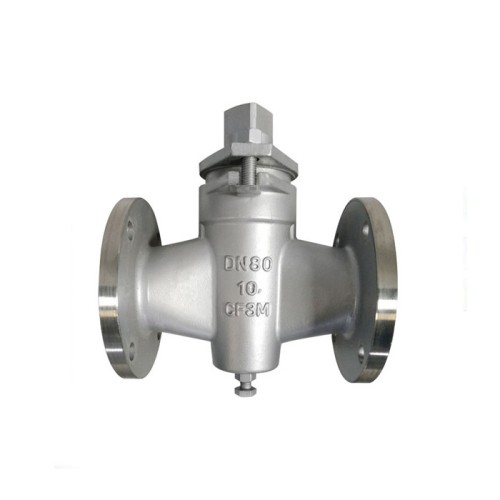
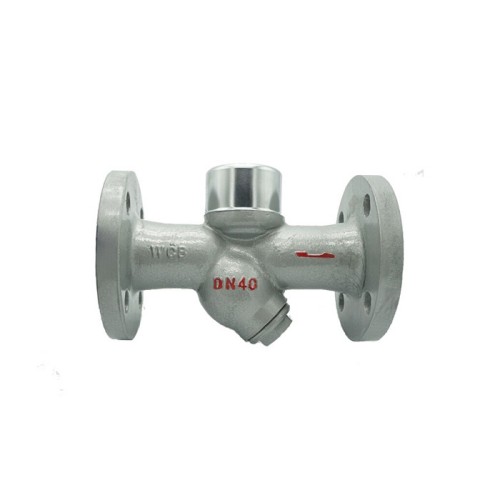
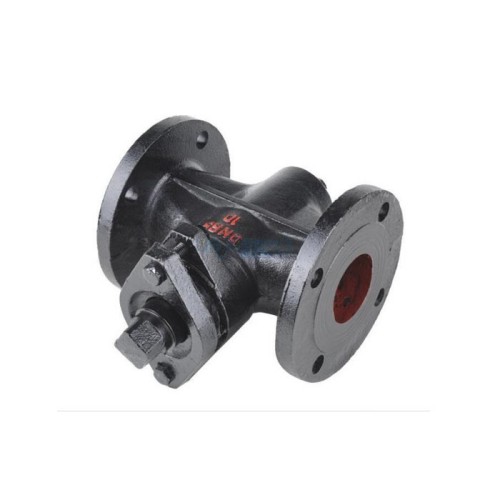
Plug valve is a type of quarter-turn valve that uses a cylindrical or tapered plug to control the flow of fluid through the valve. The plug can be rotated within the valve body to allow or block the flow, making it a versatile and reliable option for various applications. Plug valves are commonly used in industries such as oil and gas, chemical processing, and water treatment, where they are valued for their ability to provide tight shutoff and low maintenance requirements. These valves are suitable for on/off and throttling applications, and they are often used in systems where frequent operation and positive shutoff are essential. The design of plug valves allows for quick and easy operation, making them well-suited for applications that require rapid response to flow control changes. Additionally, plug valves are available in various configurations, including lubricated plug valves, non-lubricated plug valves, and sleeved plug valves, each offering specific advantages for different operating conditions. Proper selection and maintenance of plug valves are essential to ensure their reliable performance and longevity within the fluid system.
What Is The Difference Between A Plug Valve And A Gate Valve?
The main difference between a plug valve and a gate valve lies in their internal mechanisms and how they control the flow of fluid.
Plug valve uses a cylindrical or tapered plug to control the flow. The plug can be rotated within the valve body to allow or block the flow, making it a versatile option for various applications. Plug valves are commonly used for on/off and throttling applications, and they are known for their tight shutoff capabilities and low maintenance requirements.
On the other hand, gate valve controls the flow of fluid using a gate or wedge that moves up and down to either block or allow the flow. Gate valves are typically used for fully open or fully closed applications, rather than for throttling. They are known for their ability to provide a tight seal when fully closed, but they may not offer the same level of control as plug valves in throttling applications.
In summary, the key difference is that plug valves use a cylindrical or tapered plug to control flow and are suitable for both on/off and throttling applications, while gate valves use a gate or wedge to control flow and are primarily used for fully open or fully closed applications.












































































