


 Deutsch
 afrikanisch
 albanisch
 Amharisch
 Arabisch
 Armenisch
 Aserbaidschanisch
 baskisch
 Belarussisch
 Bengali
 bosnisch
 bulgarisch
 katalanisch
 Cebuano
 Korsisch
 kroatisch
 Tschechisch
 dänisch
 Niederländisch
 Englisch
 Esperanto
 estnisch
 finnisch
 Französisch
 Friesisch
 galizisch
 georgisch
 griechisch
 Gujarati
 Haitianisches Kreol
 Hausa
Hausa
 hawaiisch
 hebräisch
 Nein
Nein
 Miao
Miao
 ungarisch
 isländisch
 igbo
igbo
 Indonesisch
 irisch
 Italienisch
 japanisch
 Javanisch
 Kannada
 kasachisch
 Khmer
Khmer
 Ruandisch
 Koreanisch
 kurdisch
 Kirgisisch
 TB
TB
 Latein
 lettisch
 litauisch
 Luxemburgisch
 mazedonisch
 Malgashi
 malaiisch
 Malayalam
 maltesisch
 Maori
Maori
 Marathi
 mongolisch
 Myanmar
 Nepali
 norwegisch
 norwegisch
 Okzitanisch
 Paschtu
 persisch
 Polieren
 Portugiesisch
 Punjabi
 rumänisch
 Russisch
 Samoaner
 schottisch Gälisch
 serbisch
 Englisch
 Shona
Shona
 Sindhi
 Singhalesisch
 slowakisch
 Slowenisch
 somali
 Spanisch
 Sundanesisch
 Suaheli
 Schwedisch
 Tagalog
 Tadschikisch
 Tamilisch
 Tatarisch
 Telugu
 Thailändisch
 Türkisch
 Turkmenisch
 ukrainisch
 Urdu
Urdu
 Uigur
Uigur
 Usbekisch
 Vietnamesisch
 Walisisch
 Helfen
 Jiddisch
 Yoruba
 Zulu
Zulu


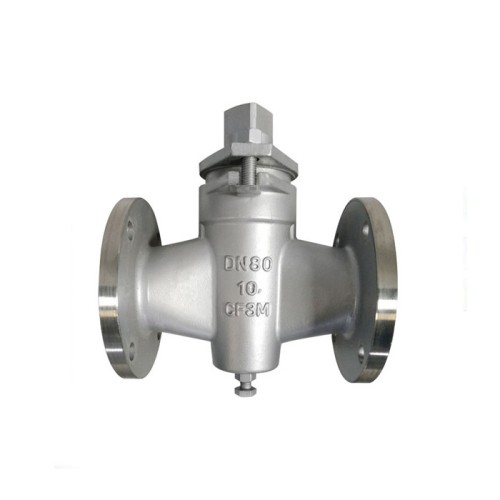
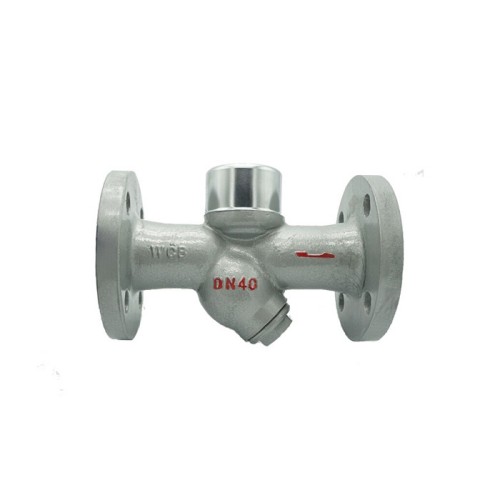
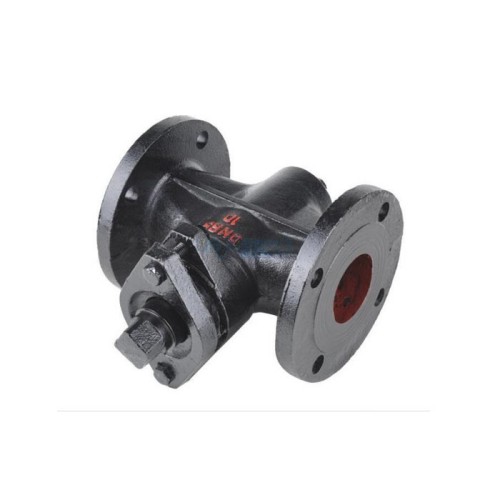
Plug valve is a type of quarter-turn valve that uses a cylindrical or tapered plug to control the flow of fluid through the valve. The plug can be rotated within the valve body to allow or block the flow, making it a versatile and reliable option for various applications. Plug valves are commonly used in industries such as oil and gas, chemical processing, and water treatment, where they are valued for their ability to provide tight shutoff and low maintenance requirements. These valves are suitable for on/off and throttling applications, and they are often used in systems where frequent operation and positive shutoff are essential. The design of plug valves allows for quick and easy operation, making them well-suited for applications that require rapid response to flow control changes. Additionally, plug valves are available in various configurations, including lubricated plug valves, non-lubricated plug valves, and sleeved plug valves, each offering specific advantages for different operating conditions. Proper selection and maintenance of plug valves are essential to ensure their reliable performance and longevity within the fluid system.
What Is The Difference Between A Plug Valve And A Gate Valve?
The main difference between a plug valve and a gate valve lies in their internal mechanisms and how they control the flow of fluid.
Plug valve uses a cylindrical or tapered plug to control the flow. The plug can be rotated within the valve body to allow or block the flow, making it a versatile option for various applications. Plug valves are commonly used for on/off and throttling applications, and they are known for their tight shutoff capabilities and low maintenance requirements.
On the other hand, gate valve controls the flow of fluid using a gate or wedge that moves up and down to either block or allow the flow. Gate valves are typically used for fully open or fully closed applications, rather than for throttling. They are known for their ability to provide a tight seal when fully closed, but they may not offer the same level of control as plug valves in throttling applications.
In summary, the key difference is that plug valves use a cylindrical or tapered plug to control flow and are suitable for both on/off and throttling applications, while gate valves use a gate or wedge to control flow and are primarily used for fully open or fully closed applications.












































































