


 shqiptare
 afrikane
 amharike
 arabisht
 armene
 Azerbajxhani
 bask
bask
 bjellorusisht
 Bengalisht
 boshnjake
 bullgare
 katalanas
 Cebuano
 korsikane
 kroate
 çeke
çeke
 daneze
 holandeze
 anglisht
 Esperanto
 estoneze
 finlandez
 frëngjisht
 frizianisht
 Galician
 gjeorgjiane
 gjermanisht
 greke
greke
 guxharatisht
 Kreole Haitiane
 hausa
hausa
 hawajiane
 hebraishtja
 Jo
Jo
 Miao
Miao
 hungareze
 islandeze
 igbo
igbo
 indonezisht
 irlandeze
 italisht
 japoneze
 javaneze
 kanadeze
 kazakisht
 Khmer
Khmer
 Ruanda
 koreane
 kurde
kurde
 Kirgize
 TB
TB
 latinisht
 Letonisht
 Lituanisht
 luksemburgase
 maqedonase
 Malgashi
 Malay
Malay
 malajalamisht
 malteze
 Maori
Maori
 Marathi
 mongolisht
 Mianmar
 nepalisht
 norvegjeze
 norvegjeze
 Oksitan
 Pashto
 persisht
 polonisht
 portugeze
 Punjabi
 rumun
rumun
 rusisht
 Samoan
 gaelishte skoceze
 serb
serb
 anglisht
 Shona
Shona
 Sindhi
 sinhalisht
 sllovake
 slloven
 somalez
 Spanjisht
 sundanez
 Suahili
 suedeze
 Tagalogisht
 Taxhikisht
 tamile
 tatar
tatar
 telugu
 Thai
Thai
 turk
turk
 turkmen
 ukrainase
 urdu
urdu
 ujgure
 Uzbekistani
 vietnameze
 Uellsisht
 Ndihmë
 Jidish
 Jorubisht
 Zulu
Zulu


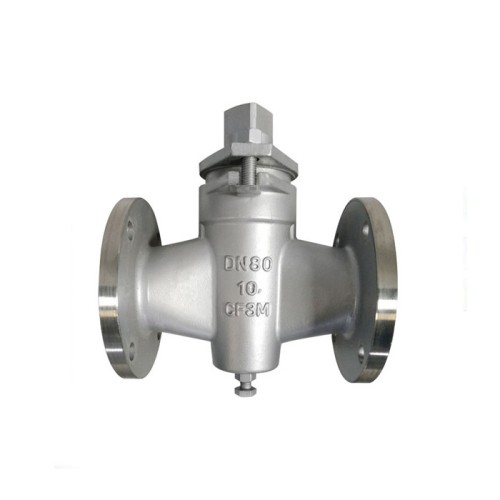
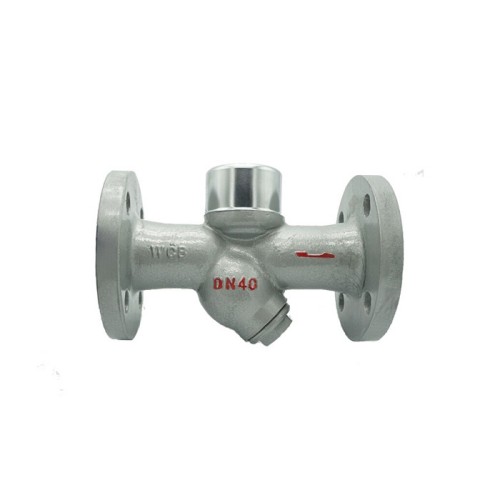
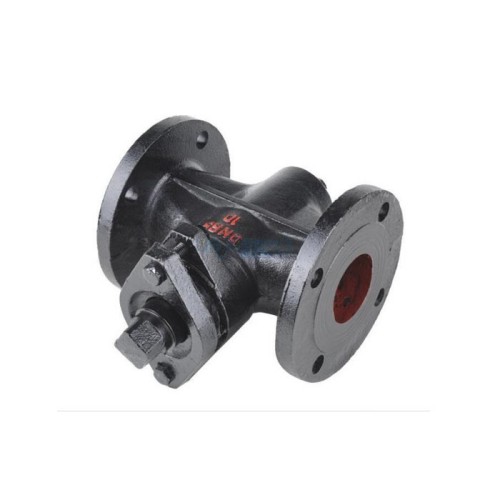
Plug valve is a type of quarter-turn valve that uses a cylindrical or tapered plug to control the flow of fluid through the valve. The plug can be rotated within the valve body to allow or block the flow, making it a versatile and reliable option for various applications. Plug valves are commonly used in industries such as oil and gas, chemical processing, and water treatment, where they are valued for their ability to provide tight shutoff and low maintenance requirements. These valves are suitable for on/off and throttling applications, and they are often used in systems where frequent operation and positive shutoff are essential. The design of plug valves allows for quick and easy operation, making them well-suited for applications that require rapid response to flow control changes. Additionally, plug valves are available in various configurations, including lubricated plug valves, non-lubricated plug valves, and sleeved plug valves, each offering specific advantages for different operating conditions. Proper selection and maintenance of plug valves are essential to ensure their reliable performance and longevity within the fluid system.
What Is The Difference Between A Plug Valve And A Gate Valve?
The main difference between a plug valve and a gate valve lies in their internal mechanisms and how they control the flow of fluid.
Plug valve uses a cylindrical or tapered plug to control the flow. The plug can be rotated within the valve body to allow or block the flow, making it a versatile option for various applications. Plug valves are commonly used for on/off and throttling applications, and they are known for their tight shutoff capabilities and low maintenance requirements.
On the other hand, gate valve controls the flow of fluid using a gate or wedge that moves up and down to either block or allow the flow. Gate valves are typically used for fully open or fully closed applications, rather than for throttling. They are known for their ability to provide a tight seal when fully closed, but they may not offer the same level of control as plug valves in throttling applications.
In summary, the key difference is that plug valves use a cylindrical or tapered plug to control flow and are suitable for both on/off and throttling applications, while gate valves use a gate or wedge to control flow and are primarily used for fully open or fully closed applications.












































































