


 Frysk
Frysk
 Afrikaanske
 Albaneesk
 Amhaarsk
 Arabysk
 Armeensk
 Azerbeidzjaansk
 Baskysk
 Wytrussysk
 Bengaalsk
 Bosnysk
 Bulgaarsk
 Katalaansk
 Cebuano
 Korsikaansk
 Kroatysk
 Tsjechysk
 Deensk
 Nederlânsk
 Ingelsk
 Esperanto
 Estysk
 Finsk
Finsk
 Frânsk
 Galyskysk
 Georgysk
 Dútsk
Dútsk
 Gryksk
 Gujaratysk
 Haïtiaansk Kreaolsk
 Hausa
Hausa
 Hawaïaansk
 Hebrieuwsk
 Nee
Nee
 Miao
Miao
 Hongaarsk
 Yslânsk
 igbo
igbo
 Yndonesysk
 Iersk
Iersk
 Italiaansk
 Japansk
 Javaansk
 Kannada
 Kazachsk
 Khmer
Khmer
 Rwandan
 Koreaansk
 Koerdysk
 Kirgizysk
 TB
TB
 Latyn
Latyn
 Letsk
Letsk
 Litousk
 Lúksemboarchsk
 Masedoanysk
 Malgashi
 Maleisk
 Malayalam
 Malteesk
 Maori
Maori
 Maratysk
 Mongoalsk
 Birma
Birma
 Nepaleesk
 Noarsk
 Noarsk
 Oksitaansk
 Pashtu
 Perzysk
 Poalsk
 Portegeesk
 Pûndjaabsk
 Roemeensk
 Russysk
 Samoan
 Skotsk Gaelic
 Servysk
 Ingelsk
 Shona
Shona
 Sindysk
 Sinhala
 Slowaaksk
 Sloveensk
 Somalysk
 Spaansk
 Soendaneesk
 Swahily
 Sweedsk
 Tagaloch
 Tajik
Tajik
 Tamyl
Tamyl
 Tatar
Tatar
 Telugu
 Taisk
Taisk
 Turksk
 Turkmeensk
 Oekraynsk
 Urdu
Urdu
 Uighur
 Uzbek
Uzbek
 Fietnameesk
 Welsh
Welsh
 Help
Help
 Jiddysk
 Yoruba
 Zulu
Zulu


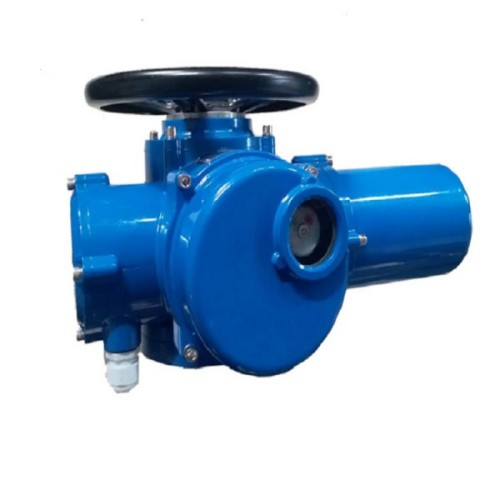
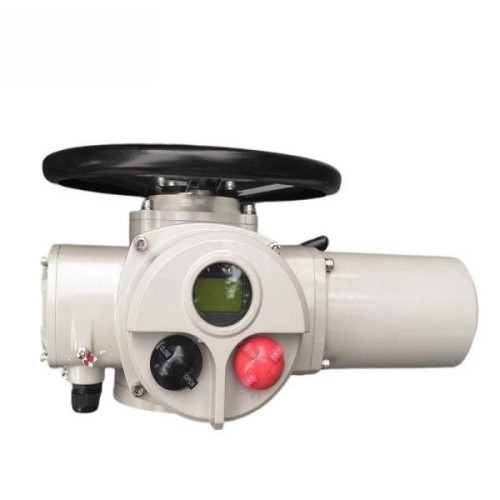
Electric actuators are devices used to control the operation of valves, dampers, and other mechanical systems by converting electrical energy into mechanical motion. They can be classified into several types based on their design, functionality, and application:
1. Multi-Turn Electric Actuators: These actuators are designed to provide rotational movement over multiple turns, making them suitable for applications that require precise and continuous positioning, such as gate valves and globe valves. They are often used in industrial settings where accurate control of fluid flow is essential.
2. Quarter-Turn Electric Actuators: Quarter-turn actuators are designed to provide rotational movement over a 90-degree angle, making them ideal for applications that require on/off or modulating control, such as ball valves and butterfly valves. They are commonly used in various industries for quick and efficient valve operation.
3. Electric Actuator with Fail-Safe Function: Some electric actuators are equipped with fail-safe features, such as spring-return mechanisms or battery backup, to ensure that the valve or damper returns to a safe position in the event of a power failure or system malfunction.
Electric actuators play a critical role in automating and controlling various industrial processes, and the selection of the appropriate type depends on factors such as the valve or damper application, torque or thrust requirements, control system compatibility, and safety considerations. Proper installation and maintenance of electric actuators are essential to ensure reliable and efficient operation within the mechanical system.
What Is An Actuator Used For?
Actuator is used to convert energy into mechanical motion, allowing it to control the operation of various mechanical systems. Actuators are commonly employed to automate the movement of valves, dampers, and other equipment in industrial, commercial, and residential settings. They play a crucial role in regulating the flow of fluids, gases, and other substances within piping systems, as well as in controlling the positioning of mechanical components. Actuators are also utilized in applications such as robotics, manufacturing machinery, HVAC systems, and automotive systems to enable precise and controlled movement. By converting energy into mechanical force, actuators facilitate the efficient operation and automation of a wide range of mechanical processes, contributing to improved system performance, safety, and reliability.












































































