


 latviski
 Āfrikas
 albānis
 amharu
 arābu
arābu
 armēņu
 Azerbaidžāņu
 basku
basku
 baltkrievu
 bengāļu
 bosniešu
 bulgāru valoda
 katalāņu
 Cebuano
 Korsikānis
 horvātu
 čehu
čehu
 dāņu
dāņu
 holandiešu valoda
 Angļu
Angļu
 Esperanto
 igauņu
 somu
somu
 franču valoda
 frīzu valoda
 Galisiešu
 gruzīnu
 vācu
vācu
 grieķu valoda
 gudžaratu
 Haiti kreols
 hausa
hausa
 havajietis
 ivrits
 Nē
Nē
 Miao
Miao
 ungāru
 islandiešu
 igbo
igbo
 Indonēziešu
 īru
īru
 itāļu valoda
 japāņi
 javiešu
 kannada
 kazahu
 khmeru
 Ruandā
 korejiešu
 kurdu
kurdu
 Kirgizstānas
 TB
TB
 latīņu valoda
 lietuviešu
 luksemburgiešu
 maķedonietis
 Malgaši
 malajiešu
 malajalu
 maltiešu
 maori
maori
 maratu
 mongoļu valoda
 Mjanma
 Nepāliešu
 norvēģu
 norvēģu
 oksitāņu
 puštu
puštu
 persiešu
 poļu
poļu
 portugāļu
 pandžabu
 rumāņu
 krievu valoda
 Samoa
Samoa
 skotu gēlu valoda
 serbu
serbu
 Angļu
Angļu
 Šona
Šona
 Sindhi
 singalu valoda
 slovāku
 slovēņu
 somāliešu
 spāņu valoda
 sundāņu
 svahili
 zviedru
 tagalogs
 tadžiks
 tamilu
 tatārs
 telugu
 taju
taju
 Turku
Turku
 Turkmēņu
 ukraiņu
 urdu
urdu
 Uiguru
 uzbeku
 vjetnamietis
 velsiešu
 Palīdzība
 jidiša
 Joruba
 zulu
zulu


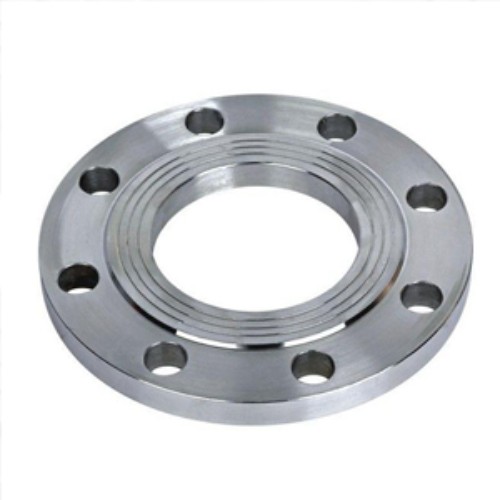
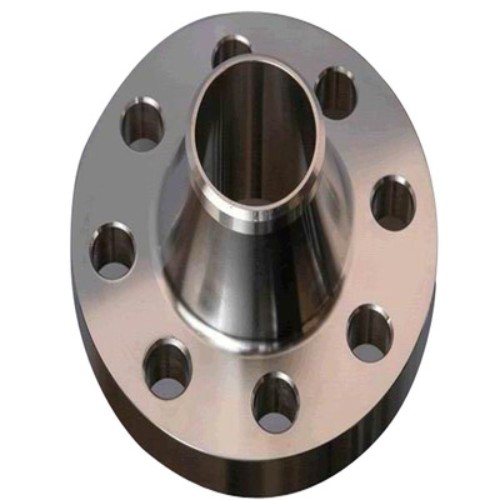
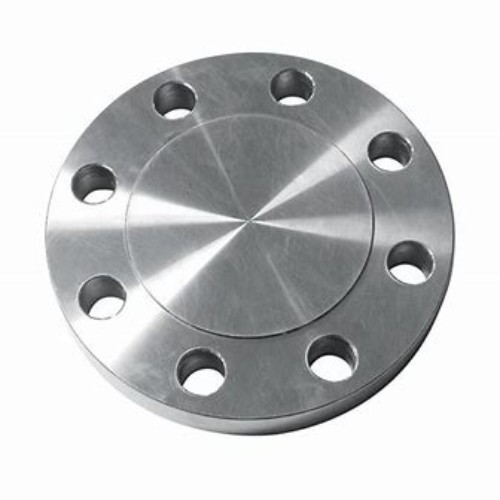
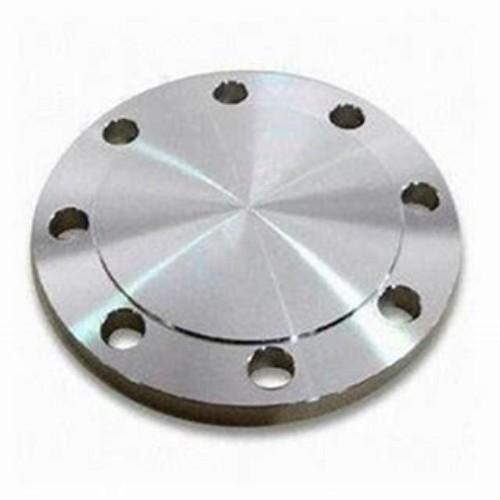
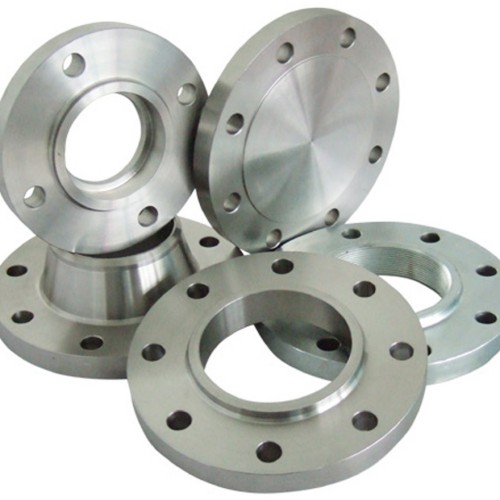
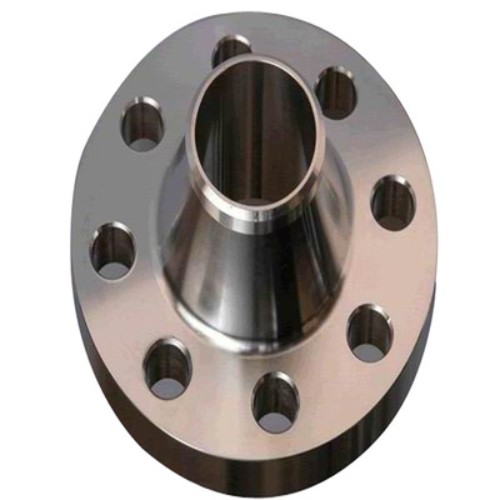
Flanges are important components for connecting pipes, valves, equipment and accessories to achieve safe and reliable connections. Flanges can be divided into various types according to different standards and uses. Common flange types include weld neck flanges, blind flanges, flange-to-flanges, sliding flanges, and threaded flanges. Welded neck flanges are suitable for high pressure and high temperature environments and are connected to pipes by welding to provide a stable connection. Blind flanges are used to close the ends of pipes to facilitate maintenance and inspection. Flange-to-flange is typically used to connect two pipes, while sliding flange allows the flange to slide over the pipe for easy installation and adjustment. Threaded flanges are suitable for low pressure environments and are threaded to pipes. Selecting the appropriate flange type depends on the pressure, temperature, media and installation requirements of the piping system. Proper selection and installation of flanges ensures safe operation and sealed connections in piping systems.
What Are The Types Of Flanges?
The types of flanges commonly used in piping systems include:
1. Weld Neck Flange: This type of flange is designed with a long, tapered hub that provides an ideal connection for high-pressure applications. The neck of the flange is welded to the pipe, offering strength and support at the joint.
2. Slip-On Flange: Slip-on flanges are easy to align and are used in low-pressure applications. They are slipped over the pipe and then welded both inside and outside to provide strength and prevent leakage.
3. Blind Flange: Blind flanges are solid disks used to block off a pipeline or to create a stop. They are commonly used for pressure testing the flow of gas or liquid through a pipeline.
4. Threaded Flange: Threaded flanges are used in low-pressure applications and are connected to the pipe with threads, providing a strong and reliable connection.
5. Lap Joint Flange: Lap joint flanges are used with a stub end or taft, which is welded to the pipe. The flange then slides over the pipe and is free to rotate around the stub end, allowing for easy alignment of bolt holes.
6. Socket Weld Flange: Socket weld flanges are used for high-pressure applications and are connected to the pipe by inserting the pipe into the socket end and then applying fillet weld around the top.
Each type of flange has specific characteristics and is suitable for different applications based on factors such as pressure, temperature, and the nature of the fluid being transported. Proper selection of flange type is crucial to ensure the integrity and safety of the piping system.












































































