


 Español
 africano
 albanés
 amárico
 Arábica
 armenio
 azerbaiyano
 vasco
vasco
 bielorruso
 bengalí
 bosnio
 búlgaro
 catalán
 cebuano
 corso
corso
 croata
 checo
checo
 danés
danés
 Holandés
 Inglés
 esperanto
 estonio
 finlandés
 Francés
 frisio
 gallego
 georgiano
 Alemán
 Griego
 gujarati
 criollo haitiano
 hausa
hausa
 hawaiano
 hebreo
 No
No
 Miao
Miao
 húngaro
 islandés
 igbo
igbo
 indonesio
 irlandesa
 italiano
 japonés
 javanés
 canarés
 kazajo
 jemer
jemer
 ruandés
 coreano
 kurdo
kurdo
 Kirguistán
 tuberculosis
 latín
latín
 letón
letón
 lituano
 luxemburgués
 macedónio
 Malgashi
 malayo
 Malayalam
 maltés
 maorí
maorí
 marathi
 mongol
 Birmania
 nepalí
 noruego
 noruego
 occitano
 pastún
 persa
persa
 Polaco
 portugués
 punjabi
 rumano
 ruso
ruso
 samoano
 gaélico escocés
 serbio
 Inglés
 Shona
Shona
 Sindhi
 cingalés
 eslovaco
 esloveno
 somalí
 sundanés
 swahili
 sueco
sueco
 tagalo
 tayiko
 Tamil
Tamil
 tártaro
 telugu
 tailandés
 turco
turco
 turcomano
 ucranio
 urdu
urdu
 uigur
uigur
 uzbeko
 vietnamita
 galés
galés
 Ayuda
Ayuda
 yídish
 Yoruba
 zulú
zulú


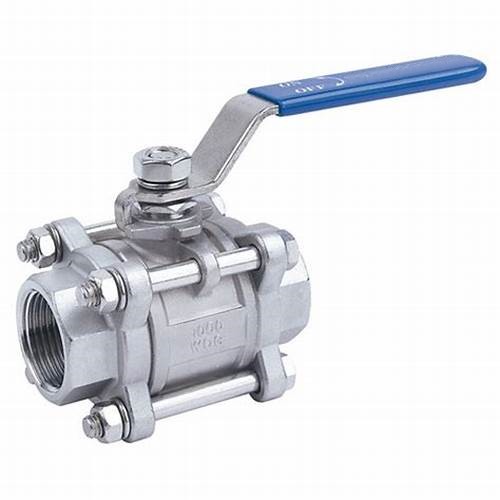
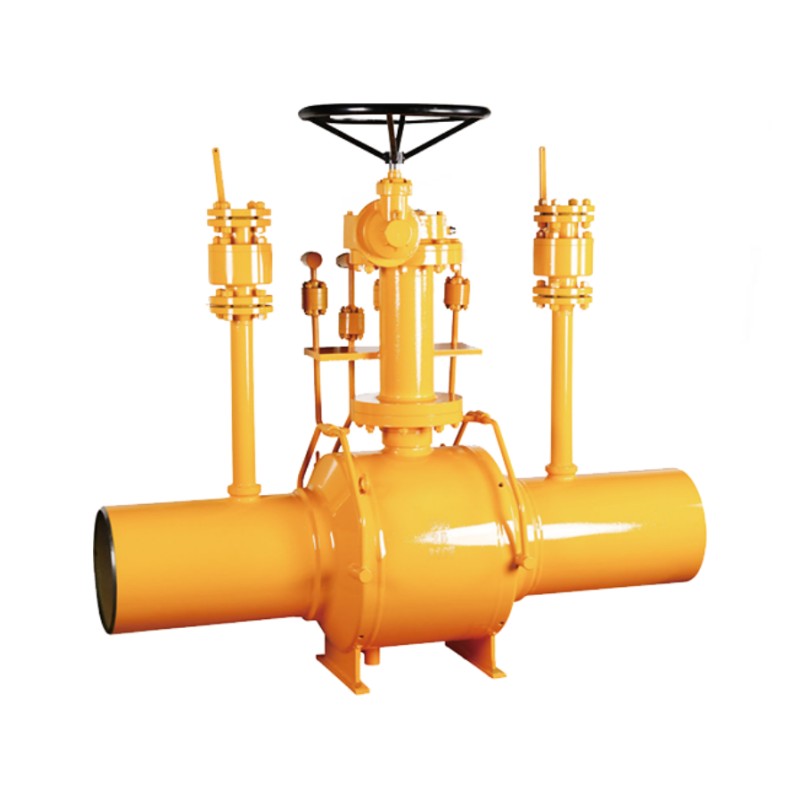
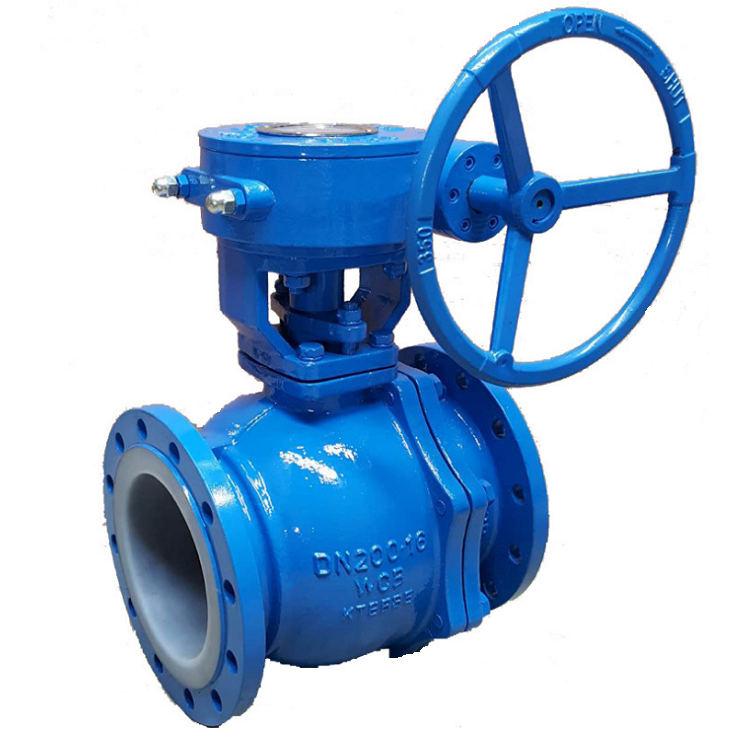
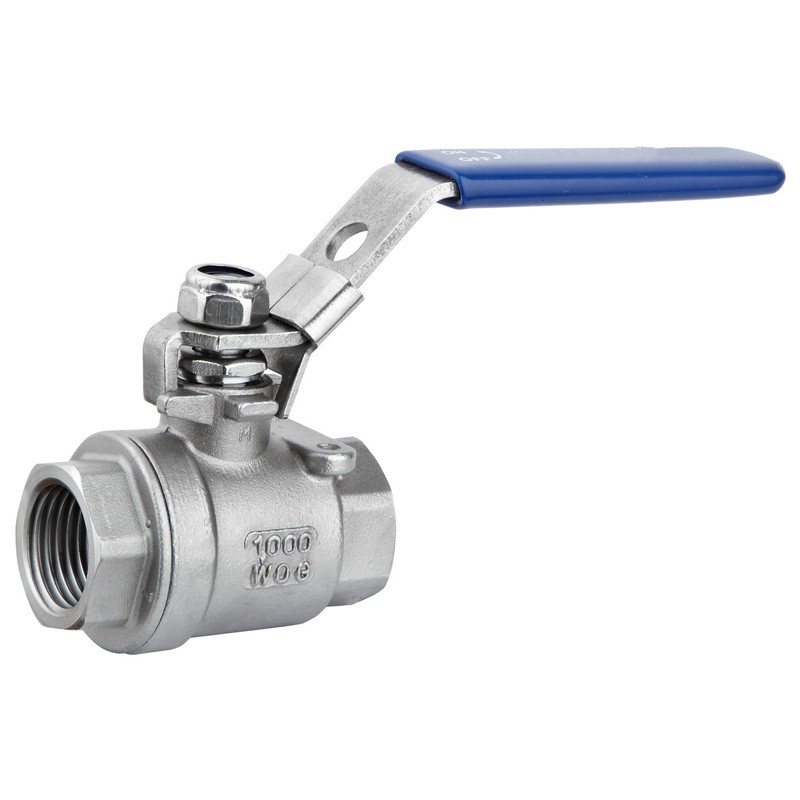
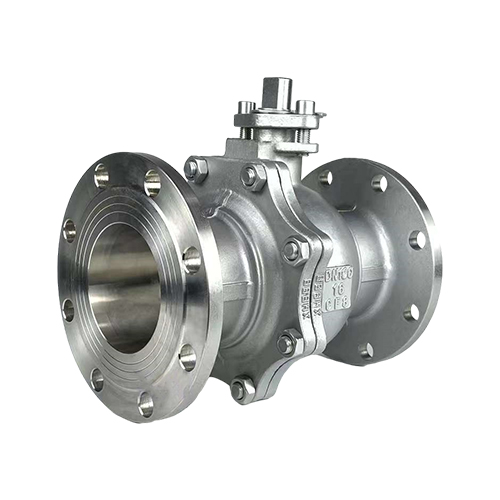
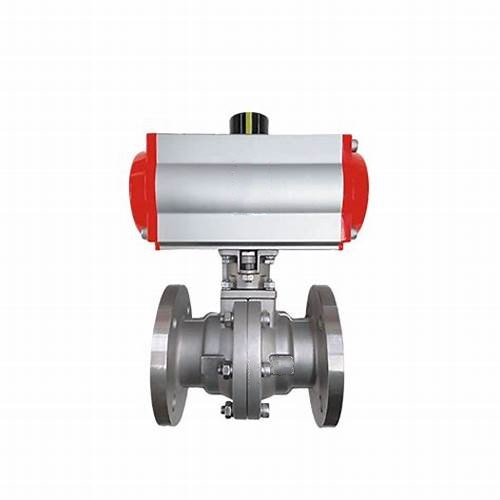
Ball valve is a type of quarter-turn valve that uses a hollow, perforated, and pivoting ball to control the flow of fluid through it. When the valve is in the open position, the ball is rotated 90 degrees by the valve handle, allowing the fluid to pass through the bore. Conversely, when the valve is closed, the ball is rotated back to its original position, blocking the flow of fluid completely. Ball valves are commonly used for on/off control of the flow and are well-suited for applications where quick operation, tight shut-off, and minimal pressure drop are important. They are widely used in various industries, including oil and gas, water and wastewater, chemical processing, and many others, due to their reliability, ease of operation, and versatility. Ball valves are available in various configurations, including floating ball valves and trunnion-mounted ball valves, and they can be constructed from a variety of materials to suit different operating conditions. Overall, ball valves are essential components in fluid control systems where efficient and reliable flow control is required.
What Is The Basic Principle Of A Ball Valve?
The basic principle of a ball valve involves the use of a hollow, perforated ball with a central bore to control the flow of fluid. When the valve is in the open position, the ball is rotated 90 degrees by the valve handle, aligning the bore with the flow path and allowing the fluid to pass through. Conversely, when the valve is closed, the ball is rotated back to its original position, perpendicular to the flow path, blocking the flow of fluid completely. This simple yet effective mechanism provides reliable on/off control of the flow and allows for quick operation with minimal pressure drop. The tight seal provided by the ball when closed ensures that the valve can effectively isolate the flow, making it suitable for a wide range of industrial applications. Ball valves are known for their durability, ease of operation, and versatility, and they are widely used in various industries where efficient and reliable flow control is essential.
Why Use Butterfly Valve Instead Of Gate Valve?
The main difference between a ball valve and a gate valve lies in their internal mechanisms and their respective applications.
A ball valve uses a hollow, perforated ball to control the flow of fluid through it. When the valve is open, the ball is rotated 90 degrees to allow fluid to pass through the bore, and when closed, the ball is rotated back to block the flow completely. Ball valves are primarily designed for on/off control and are well-suited for applications where quick operation, tight shut-off, and minimal pressure drop are important.On the other hand, a gate valve controls the flow of fluid using a gate or wedge that moves up and down to either fully open or fully close the flow path. Gate valves are typically used for on/off service and are not well-suited for regulating flow. They are commonly used in applications where a straight-line flow of fluid and minimal restriction is desired.In summary, the key difference between a ball valve and a gate valve is their internal mechanism and their primary function. Ball valves are designed for quick on/off control with minimal pressure drop, while gate valves are used for fully opening or closing the flow path. The selection between these valves depends on the specific requirements of the application, including factors such as flow control precision, pressure drop considerations, and operational speed.t.












































































