


 TB
TB
 ອາຟຣິກາ
 ອານບານີ
 Amharic
 ອາຣັບ
ອາຣັບ
 ອາເມເນຍ
 ອາເຊີໄບຈັນ
 Basque
 ເບລາຣຸດ
 ເບັງກາລີ
 ໂບສເນຍ
 ບຸນກາຣີ
 ຄາຕາລານ
 ເຊບູອາໂນ
 Corsican
 ໂຄຣເອເຊຍ
 ເຊັກ
ເຊັກ
 ເດັນມາກ
 ໂຮນລັງ
 ພາສາອັງກິດ
 ເອສເປີຣັນໂຕ
 ເອສໂຕເນຍ
 ຟິນແລນ
 ພາສາຝຣັ່ງ
 Frisian
 ກາລິຊຽນ
 ຈໍເຈຍ
ຈໍເຈຍ
 ເຢຍລະມັນ
 ກຣີກ
ກຣີກ
 ກູຈາຣາຕີ
 ເຮຕີ ຄຣີໂອ
 ໂຮຊາ
ໂຮຊາ
 ຮາວາຍ
ຮາວາຍ
 ເຮັບເຣີ
 ບໍ່
ບໍ່
 ມວຍ
ມວຍ
 ຮັງກາຣີ
 ໄອສແລນຕິກ
 ອິກໂບ
ອິກໂບ
 ອິນໂດເນເຊຍ
 ໄອແລນ
ໄອແລນ
 ອິຕາລຽນ
 ພາສາຍີ່ປຸ່ນ
 ພາສາ Javanese
 ແຄນນາດາ
 ຄາຊັກ
ຄາຊັກ
 ຂະເໝນ
ຂະເໝນ
 ຣູວັນດາ
 ເກົາຫຼີ
 ຊາວເຄີດ
 ກີຈີສ
ກີຈີສ
 ລາຕິນ
ລາຕິນ
 ລັດເວຍ
 ລິທົວເນຍ
 Luxembourgish
 ມາເຊໂດເນຍ
 ມາລກາຊິ
 ມາເລ
ມາເລ
 ມາລາຢາລາມ
 Maltese
 Maori
Maori
 Marathi
 ມົງໂກລີ
 ມຽນມາ
ມຽນມາ
 ເນປານ
ເນປານ
 ນໍເວ
ນໍເວ
 ນໍເວ
ນໍເວ
 ໂອຊິຕັນ
 ພາສໂຕ
ພາສໂຕ
 ເປີເຊຍ
 ໂປໂລຍ
ໂປໂລຍ
 ພາສາປອກຕຸຍການ
 ປັນຈາບີ
 ໂຣມາເນຍ
 ພາສາລັດເຊຍ
 ຊາມົວ
ຊາມົວ
 Scottish Gaelic
 ເຊີເບຍ
 ພາສາອັງກິດ
 ໂຊນາ
ໂຊນາ
 ຊິນດີ
ຊິນດີ
 Sinhala
 ສະໂລວັກ
 ສະໂລເວເນຍ
 ໂຊມາລີ
 ແອສປາໂຍນ
 ຊູດານ
ຊູດານ
 ສະວາຮິລີ
 ຊູແອັດ
 ພາສາຕາກາລັອກ
 ທາຈິກ
ທາຈິກ
 ທະມິນ
ທະມິນ
 ທາຕາ
ທາຕາ
 ເຕລູກູ
 ໄທ
ໄທ
 ຕວກກີ
ຕວກກີ
 ເຕີກເມັນ
 ອູແກຣນ
 ພາສາອູດູ
 ອູຍເກີ
 ອຸສເບກ
 ຫວຽດນາມ
 ເວນ
ເວນ
 ຊ່ວຍເຫຼືອ
 ຍິດ
ຍິດ
 ໂຢຣູບາ
 ຊູລູ
ຊູລູ


Ball valve is a type of quarter-turn valve that uses a hollow, perforated, and pivoting ball to control the flow of fluid through it. When the valve is in the open position, the ball is rotated 90 degrees by the valve handle, allowing the fluid to pass through the bore. Conversely, when the valve is closed, the ball is rotated back to its original position, blocking the flow of fluid completely. Ball valves are commonly used for on/off control of the flow and are well-suited for applications where quick operation, tight shut-off, and minimal pressure drop are important. They are widely used in various industries, including oil and gas, water and wastewater, chemical processing, and many others, due to their reliability, ease of operation, and versatility. Ball valves are available in various configurations, including floating ball valves and trunnion-mounted ball valves, and they can be constructed from a variety of materials to suit different operating conditions. Overall, ball valves are essential components in fluid control systems where efficient and reliable flow control is required.
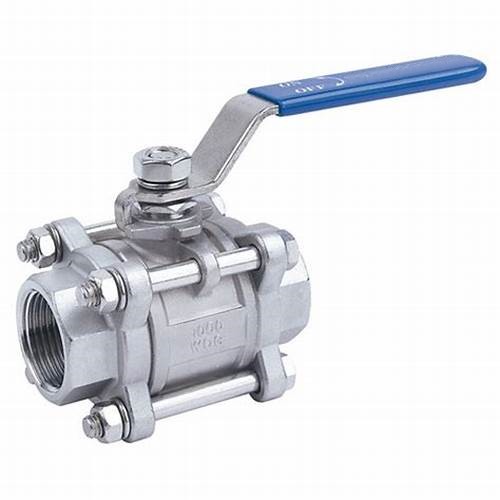
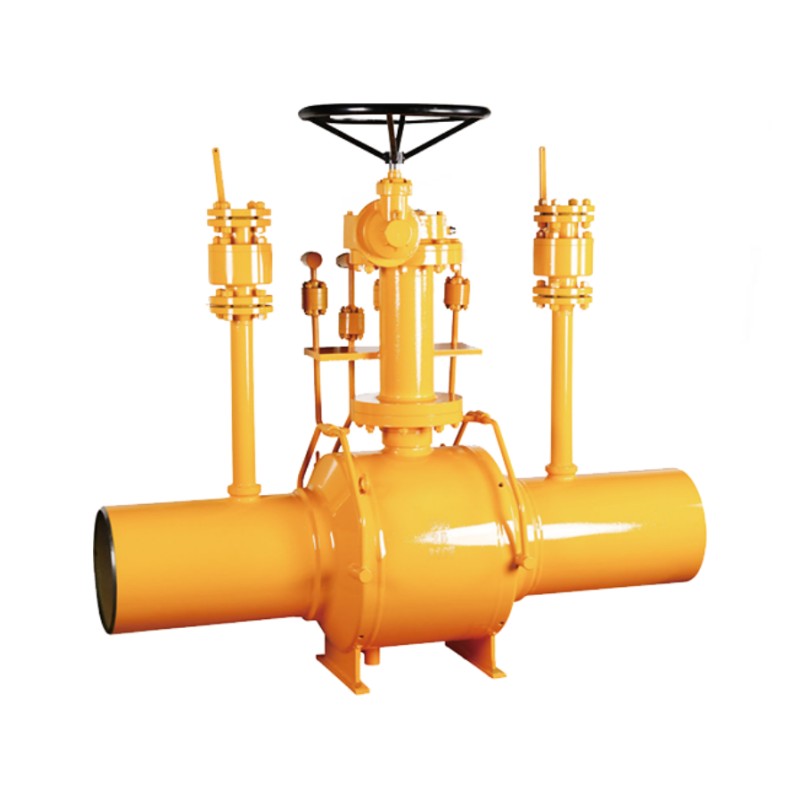
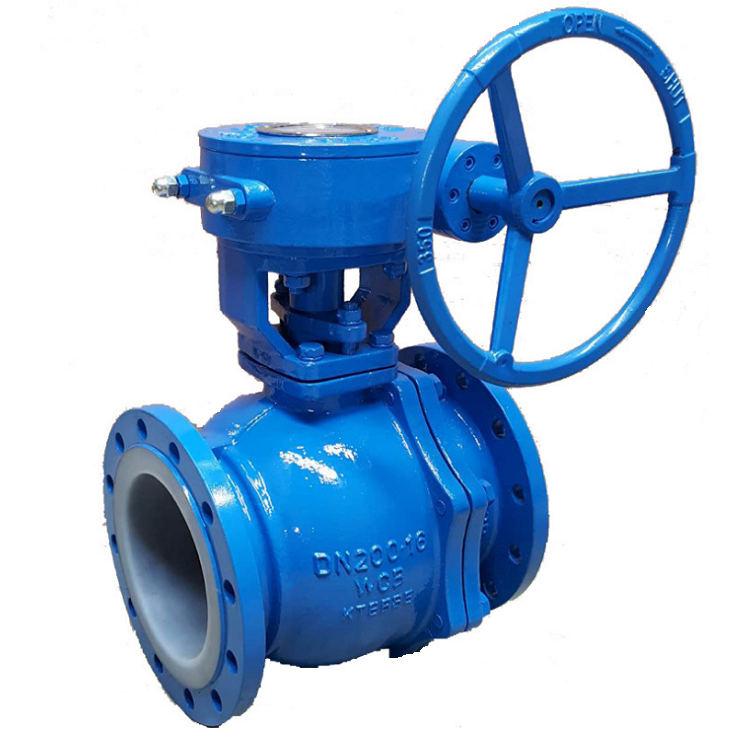
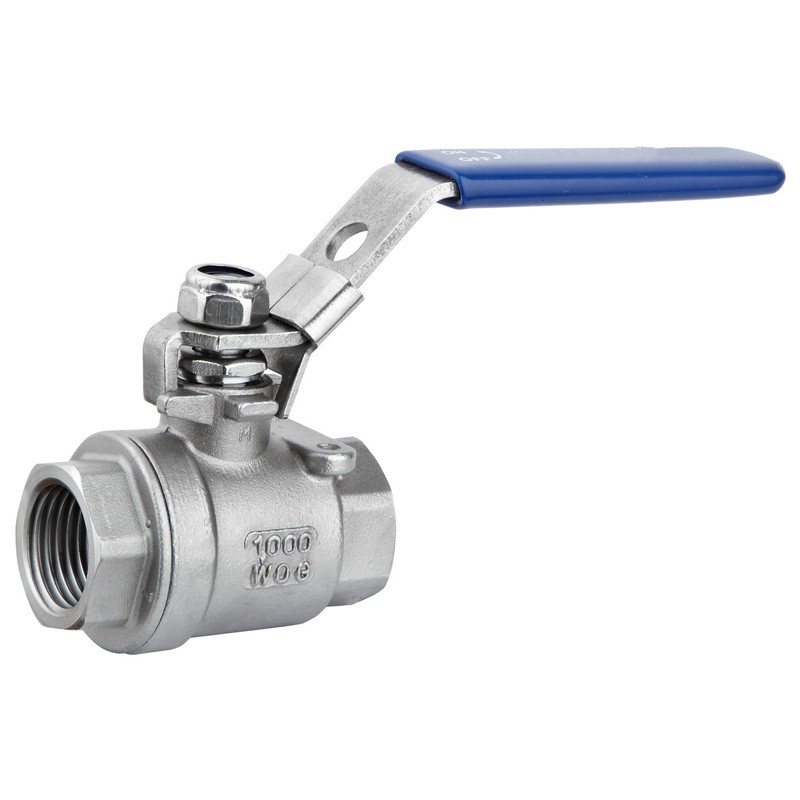
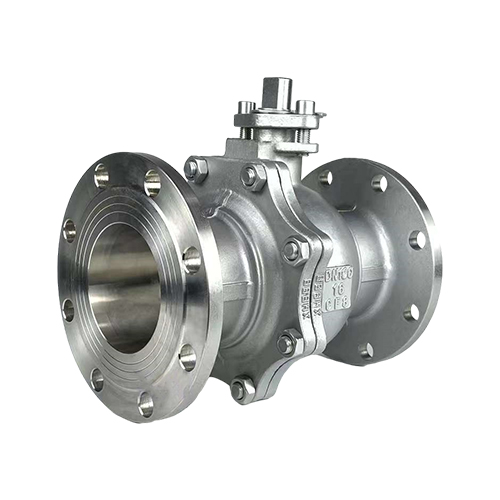
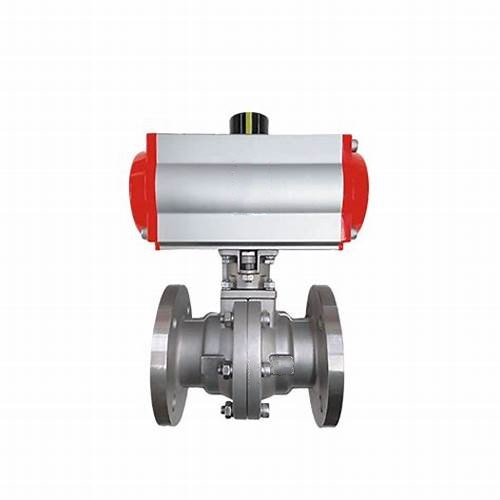
What Is The Basic Principle Of A Ball Valve?
The basic principle of a ball valve involves the use of a hollow, perforated ball with a central bore to control the flow of fluid. When the valve is in the open position, the ball is rotated 90 degrees by the valve handle, aligning the bore with the flow path and allowing the fluid to pass through. Conversely, when the valve is closed, the ball is rotated back to its original position, perpendicular to the flow path, blocking the flow of fluid completely. This simple yet effective mechanism provides reliable on/off control of the flow and allows for quick operation with minimal pressure drop. The tight seal provided by the ball when closed ensures that the valve can effectively isolate the flow, making it suitable for a wide range of industrial applications. Ball valves are known for their durability, ease of operation, and versatility, and they are widely used in various industries where efficient and reliable flow control is essential.
Why Use Butterfly Valve Instead Of Gate Valve?
The main difference between a ball valve and a gate valve lies in their internal mechanisms and their respective applications.
A ball valve uses a hollow, perforated ball to control the flow of fluid through it. When the valve is open, the ball is rotated 90 degrees to allow fluid to pass through the bore, and when closed, the ball is rotated back to block the flow completely. Ball valves are primarily designed for on/off control and are well-suited for applications where quick operation, tight shut-off, and minimal pressure drop are important.On the other hand, a gate valve controls the flow of fluid using a gate or wedge that moves up and down to either fully open or fully close the flow path. Gate valves are typically used for on/off service and are not well-suited for regulating flow. They are commonly used in applications where a straight-line flow of fluid and minimal restriction is desired.In summary, the key difference between a ball valve and a gate valve is their internal mechanism and their primary function. Ball valves are designed for quick on/off control with minimal pressure drop, while gate valves are used for fully opening or closing the flow path. The selection between these valves depends on the specific requirements of the application, including factors such as flow control precision, pressure drop considerations, and operational speed.t.












































































