


 ئۇيغۇر
 African
 ئالبانىيە
 Amharic
 ئەرەبچە
 ئەرمىنىيە
 ئەزەربەيجان
 Basque
 بېلورۇسىيە
 Bengali
 Bosnian
 بۇلغارىيە
 Catalan
 Cebuano
 كورسىكان
 كىرودىيە
 چېخ
چېخ
 Danish
 گوللاندىيە
 ئىنگىلىزچە
 Esperanto
 ئېستونىيە
 فىنلاندىيە
 فىرانسۇزچە
 Frisian
 Galician
 گرۇزىيە
 German
 گرېتسىيە
 Gujarati
 ھايتى كرېئول
 hausa
hausa
 hawaiian
 ئىبرانىي تىلى
 ياق
ياق
 Miao
Miao
 ۋېنگرىيە
 ئىسلاندىيە
 igbo
igbo
 ھىندونېزىيە
 irish
irish
 Italian
 ياپون
ياپون
 Javanese
 Kannada
 kazakh
 Khmer
Khmer
 رىۋاندا
 كورېيە
 كۇرد
كۇرد
 قىرغىزىستان
 TB
TB
 لاتىنچە
 Latvian
 لىتۋانىيە
 لىيۇكسېمبۇرگ
 ماكېدونىيە
 Malgashi
 مالايسىيا
 Malayalam
 Maltese
 Maori
Maori
 Marathi
 موڭغۇل
 بېرما
بېرما
 نېپال
نېپال
 نورۋېگچە
 نورۋېگچە
 Occitan
 پۇشتۇ
پۇشتۇ
 پارسچە
 پولشا
پولشا
 پورتۇگال تىلى
 Punjabi
 Romanian
 رۇسچە
رۇسچە
 Samoan
 شوتلاندىيە گال تىلى
 سېربىيە
 ئىنگىلىزچە
 Shona
Shona
 سىندى
سىندى
 Sinhala
 سلوۋاكىيە
 سىلوۋېنىيە
 سومالى
 ئىسپانچە
 Sundanese
 Swahili
 شىۋىتسىيە
 Tagalog
 تاجىك
تاجىك
 تامىل
تامىل
 تاتار
تاتار
 Telugu
 تايلاند
 تۈرك
تۈرك
 تۈركمەنلەر
 ئۇكرائىنا
 ئوردۇچە
 ئۆزبېك
 ۋېيتنام
 Welsh
Welsh
 ياردەم
 Yiddish
 يورۇبا
 Zulu
Zulu


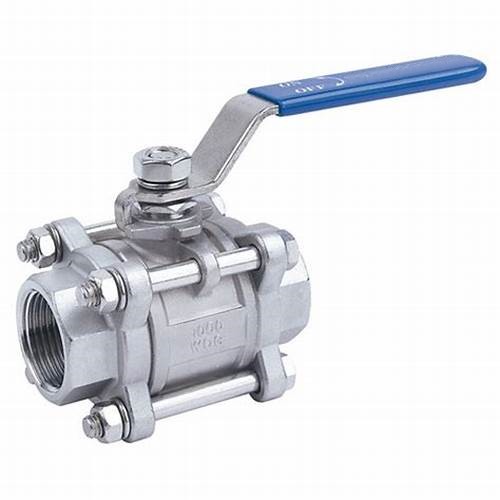
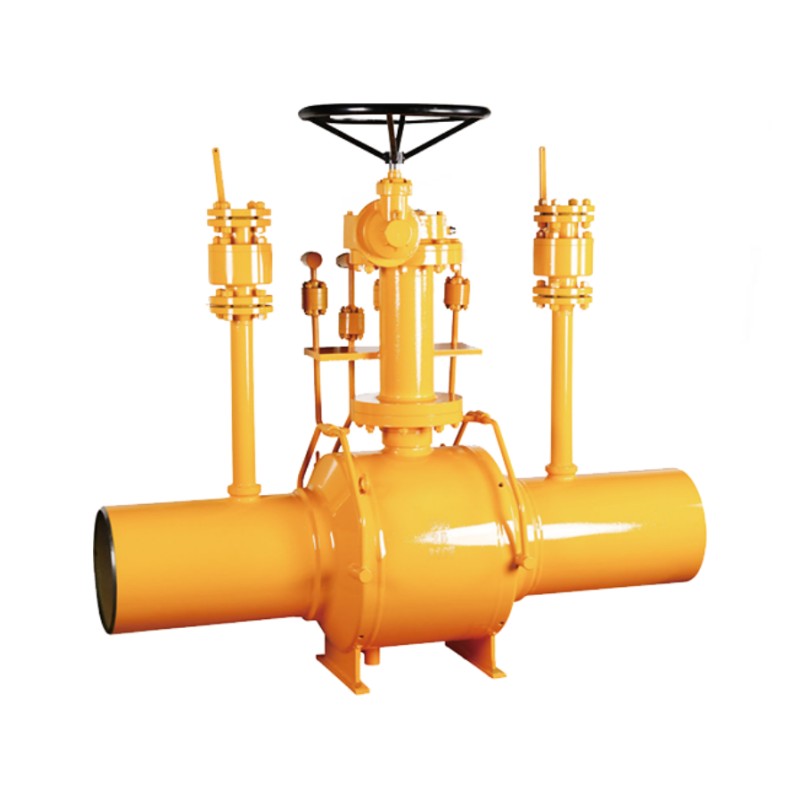
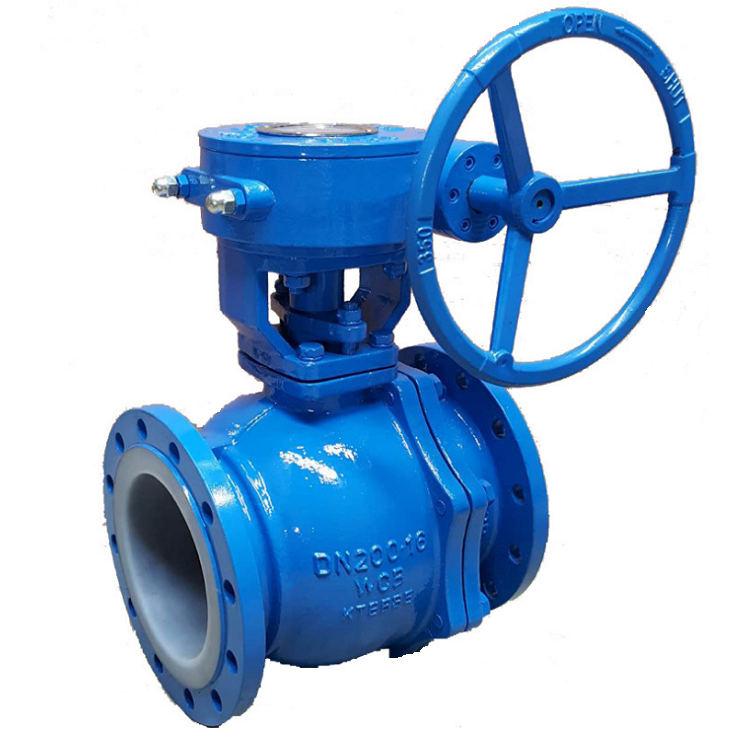
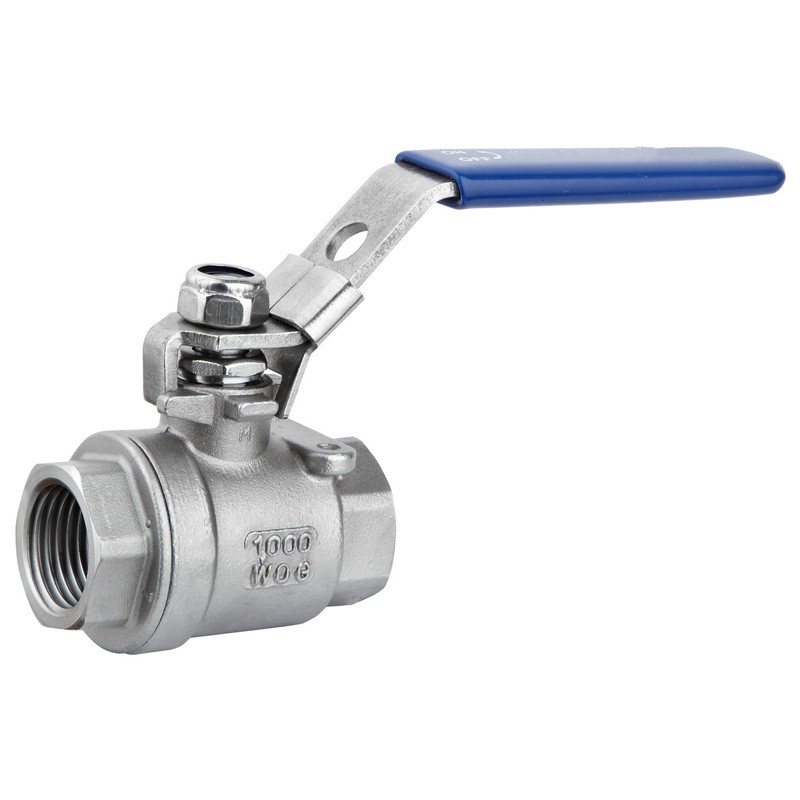
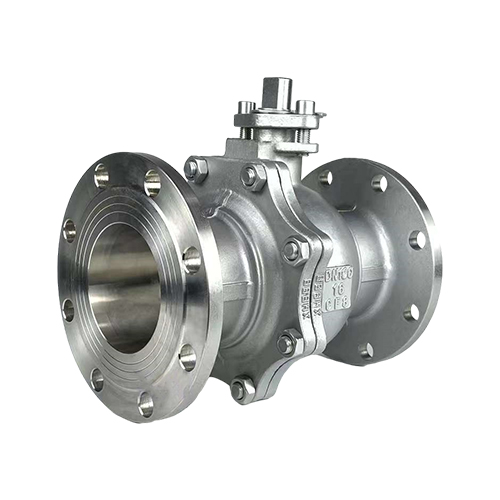
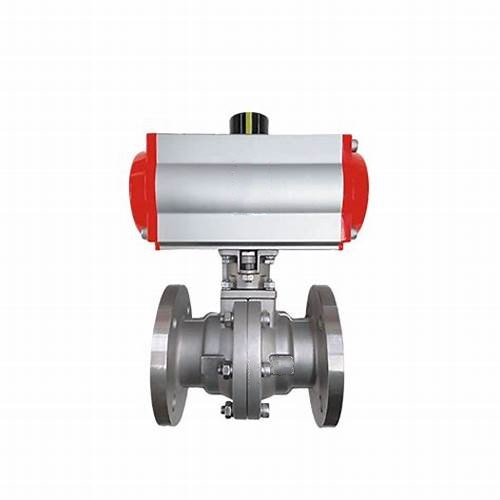
Ball valve is a type of quarter-turn valve that uses a hollow, perforated, and pivoting ball to control the flow of fluid through it. When the valve is in the open position, the ball is rotated 90 degrees by the valve handle, allowing the fluid to pass through the bore. Conversely, when the valve is closed, the ball is rotated back to its original position, blocking the flow of fluid completely. Ball valves are commonly used for on/off control of the flow and are well-suited for applications where quick operation, tight shut-off, and minimal pressure drop are important. They are widely used in various industries, including oil and gas, water and wastewater, chemical processing, and many others, due to their reliability, ease of operation, and versatility. Ball valves are available in various configurations, including floating ball valves and trunnion-mounted ball valves, and they can be constructed from a variety of materials to suit different operating conditions. Overall, ball valves are essential components in fluid control systems where efficient and reliable flow control is required.
What Is The Basic Principle Of A Ball Valve?
The basic principle of a ball valve involves the use of a hollow, perforated ball with a central bore to control the flow of fluid. When the valve is in the open position, the ball is rotated 90 degrees by the valve handle, aligning the bore with the flow path and allowing the fluid to pass through. Conversely, when the valve is closed, the ball is rotated back to its original position, perpendicular to the flow path, blocking the flow of fluid completely. This simple yet effective mechanism provides reliable on/off control of the flow and allows for quick operation with minimal pressure drop. The tight seal provided by the ball when closed ensures that the valve can effectively isolate the flow, making it suitable for a wide range of industrial applications. Ball valves are known for their durability, ease of operation, and versatility, and they are widely used in various industries where efficient and reliable flow control is essential.
Why Use Butterfly Valve Instead Of Gate Valve?
The main difference between a ball valve and a gate valve lies in their internal mechanisms and their respective applications.
A ball valve uses a hollow, perforated ball to control the flow of fluid through it. When the valve is open, the ball is rotated 90 degrees to allow fluid to pass through the bore, and when closed, the ball is rotated back to block the flow completely. Ball valves are primarily designed for on/off control and are well-suited for applications where quick operation, tight shut-off, and minimal pressure drop are important.On the other hand, a gate valve controls the flow of fluid using a gate or wedge that moves up and down to either fully open or fully close the flow path. Gate valves are typically used for on/off service and are not well-suited for regulating flow. They are commonly used in applications where a straight-line flow of fluid and minimal restriction is desired.In summary, the key difference between a ball valve and a gate valve is their internal mechanism and their primary function. Ball valves are designed for quick on/off control with minimal pressure drop, while gate valves are used for fully opening or closing the flow path. The selection between these valves depends on the specific requirements of the application, including factors such as flow control precision, pressure drop considerations, and operational speed.t.












































































