


 Polski
 afrykanin
 albański
 amharski
 arabski
 ormiański
 azerbejdżański
 baskijski
 białoruski
 bengalski
 bośniacki
 bułgarski
 kataloński
 Cebuański
 korsykański
 chorwacki
 Czech
Czech
 duński
 Holenderski
 język angielski
 esperanto
 estoński
 fiński
 Francuski
 fryzyjski
 galicyjski
 gruziński
 Niemiecki
 grecki
 gudżarati
 Kreolski haitański
 hausa
hausa
 hawajski
 hebrajski
 Nie
Nie
 Miao
Miao
 język węgierski
 islandzki
 ibo
ibo
 indonezyjski
 Irlandczyk
 Włoski
 język japoński
 jawajski
 Kannada
 kazachski
 Khmer
Khmer
 Rwandyjski
 koreański
 kurdyjski
 Kirgiski
 gruźlica
 łacina
 łotewski
 litewski
 luksemburski
 macedoński
 Malgashi
 malajski
 malajalam
 maltański
 Maoryski
 marathi
 mongolski
 Myanmar
 Nepalski
 norweski
 norweski
 oksytański
 paszto
 perski
 portugalski
 Pendżabski
 rumuński
 Rosyjski
 Samoański
 szkocki gaelicki
 serbski
 język angielski
 Shona
Shona
 Sindhi
 syngaleski
 słowacki
 słoweński
 somalijski
 hiszpański
 Sundajczyk
 Suahili
 szwedzki
 tagalski
 tadżycki
 Tamil
Tamil
 Tatar
Tatar
 telugu
 tajski
 turecki
 Turkmeni
 ukraiński
 urdu
urdu
 Ujgur
Ujgur
 uzbecki
 wietnamski
 walijski
 Pomoc
Pomoc
 jidysz
 Joruba
 Zulus
Zulus


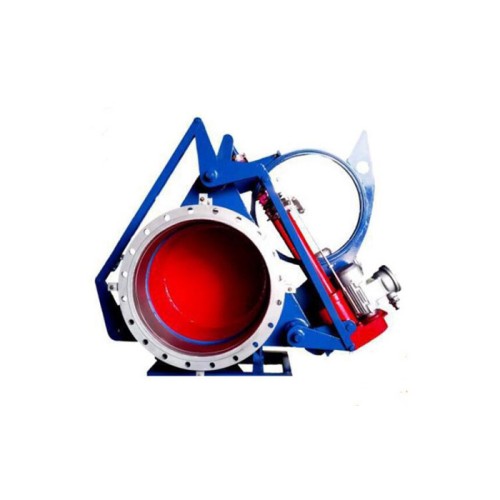
Blind valves, also known as blanking valves, are used to close off the flow of fluid in a pipeline. They are typically installed at the end of a line or at a specific point in the system where temporary isolation or closure is required. Blind valves are designed to provide a tight seal to prevent the flow of fluid, and they are available in various types, including bolted bonnet, pressure seal, and welded bonnet designs, to accommodate different pressure and temperature requirements. These valves are commonly used during maintenance, repair, or testing of the pipeline system, as well as for isolating sections of the pipeline for safety or operational reasons. The selection of blind valves depends on factors such as the type of fluid, pressure rating, temperature range, and the specific application within the pipeline system. Proper installation and maintenance of blind valves are essential to ensure reliable and safe operation, as well as to prevent leakage and potential hazards within the pipeline.

Why Use Spectacle Blind Instead Of Valve?
Spectacle blinds are used in piping systems for the purpose of temporarily closing off a pipe or isolating a section of the pipeline. They consist of two metal discs connected by a section of metal, resembling a pair of spectacles, hence the name. The main advantage of using spectacle blinds instead of valves for isolation is that they provide a more secure and reliable closure. When a spectacle blind is installed, it completely blocks the flow of fluid, ensuring a tight seal and preventing any leakage. In contrast, valves, even when fully closed, may still allow a small amount of fluid to pass through, which can be undesirable in certain situations, such as during maintenance or repair activities. Additionally, spectacle blinds are often used in applications where the pipeline needs to be completely sealed off for an extended period, and where the use of a valve may not provide the level of security and isolation required. Overall, the decision to use a spectacle blind instead of a valve depends on the specific needs of the piping system, the level of isolation required, and the nature of the fluid being transported.












































































