


 عربي
عربي
 الأفريقي
 الألبانية
 الأمهرية
 الأرمينية
 أذربيجاني
 الباسك
 البيلاروسية
 البنغالية
 البوسنية
 البلغارية
 الكاتالونية
 السيبيونو
 الكورسيكية
 الكرواتية
 التشيكية
 دانماركي
 هولندي
 إنجليزي
 الاسبرانتو
 الإستونية
 الفنلندية
 فرنسي
فرنسي
 الفريزية
 الجاليكية
 الجورجية
 ألمانية
 اليونانية
 الغوجاراتية
 الكريولية الهايتية
 الهوسا
 هاواي
هاواي
 اللغة العبرية
 لا
لا
 مياو
مياو
 المجرية
 الأيسلندية
 الإيغبو
 الاندونيسية
 الأيرلندية
 ايطالي
 اليابانية
 الجاوية
 الكانادا
 الكازاخستانية
 الخمير
 الرواندية
 الكورية
 كردي
كردي
 قيرغيزستان
 السل
السل
 اللاتينية
 لاتفيا
 الليتوانية
 اللوكسمبرجية
 المقدونية
 Malgashi
 لغة الملايو
 المالايالامية
 المالطية
 الماوري
 المهاراتية
 المنغولية
 ميانمار
 النيبالية
 النرويجية
 النرويجية
 الأوكيتانية
 الباشتو
 اللغة الفارسية
 تلميع
تلميع
 البرتغالية
 البنجابية
 روماني
 الروسية
 ساموا
ساموا
 الغيلية الاسكتلندية
 الصربية
 إنجليزي
 شونا
شونا
 السندية
 السنهالية
 السلوفاكية
 السلوفينية
 الصومالية
 الأسبانية
 السودانية
 السواحلية
 السويدية
 التاغالوغية
 الطاجيكية
 التاميل
 التتار
 التيلجو
 التايلاندية
 اللغة التركية
 التركمان
 الأوكرانية
 الأردية
 الأويغور
 الأوزبكية
 الفيتنامية
 تهرب من دفع الرهان
 يساعد
يساعد
 اليديشية
 اليوروبا
 الزولو


Blind valves, also known as blanking valves, are used to close off the flow of fluid in a pipeline. They are typically installed at the end of a line or at a specific point in the system where temporary isolation or closure is required. Blind valves are designed to provide a tight seal to prevent the flow of fluid, and they are available in various types, including bolted bonnet, pressure seal, and welded bonnet designs, to accommodate different pressure and temperature requirements. These valves are commonly used during maintenance, repair, or testing of the pipeline system, as well as for isolating sections of the pipeline for safety or operational reasons. The selection of blind valves depends on factors such as the type of fluid, pressure rating, temperature range, and the specific application within the pipeline system. Proper installation and maintenance of blind valves are essential to ensure reliable and safe operation, as well as to prevent leakage and potential hazards within the pipeline.
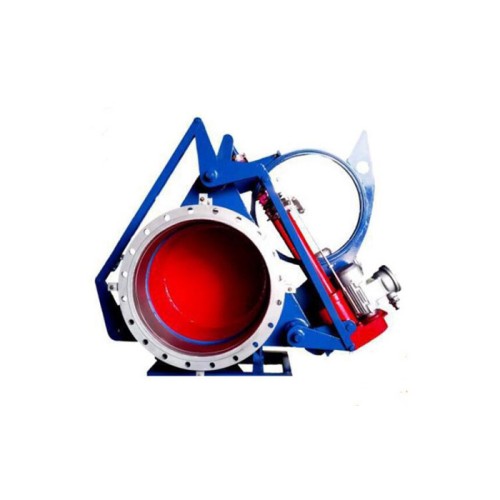

Why Use Spectacle Blind Instead Of Valve?
Spectacle blinds are used in piping systems for the purpose of temporarily closing off a pipe or isolating a section of the pipeline. They consist of two metal discs connected by a section of metal, resembling a pair of spectacles, hence the name. The main advantage of using spectacle blinds instead of valves for isolation is that they provide a more secure and reliable closure. When a spectacle blind is installed, it completely blocks the flow of fluid, ensuring a tight seal and preventing any leakage. In contrast, valves, even when fully closed, may still allow a small amount of fluid to pass through, which can be undesirable in certain situations, such as during maintenance or repair activities. Additionally, spectacle blinds are often used in applications where the pipeline needs to be completely sealed off for an extended period, and where the use of a valve may not provide the level of security and isolation required. Overall, the decision to use a spectacle blind instead of a valve depends on the specific needs of the piping system, the level of isolation required, and the nature of the fluid being transported.












































































