


 Cymraeg
 Affricanaidd
 Albaneg
 Amhareg
 Arabeg
 Armenaidd
 Azerbaijani
 Basgeg
 Belarwseg
 Bengali
 Bosnieg
 Bwlgareg
 Catalaneg
 Cebuano
 Corseg
 Croateg
 Tsiec
Tsiec
 Daneg
Daneg
 Iseldireg
 Saesneg
 Esperanto
 Estoneg
 Ffinneg
 Ffrangeg
 Ffriseg
 Galiseg
 Sioraidd
 Almaeneg
 Groeg
Groeg
 Gwjarati
 Creol Haitaidd
 hausa
hausa
 hawaiian
 Hebraeg
 Naddo
Naddo
 Miao
Miao
 Hwngareg
 Islandeg
 igbo
igbo
 Indoneseg
 gwyddelig
 Eidaleg
 Japaneaidd
 Jafaneg
 Kannada
 kazakh
 Khmer
Khmer
 Rwanda
 Corëeg
 Cwrdaidd
 Kyrgyz
 TB
TB
 Lladin
 Latfieg
 Lithwaneg
 Lwcsembwrgaidd
 Macedoneg
 Malgashi
 Maleieg
 Malayalam
 Malteg
 Maori
Maori
 Marathi
 Mongoleg
 Myanmar
 Nepali
 Norwyaidd
 Norwyaidd
 Ocsitaneg
 Pashto
 Perseg
 Pwyleg
 Portiwgaleg
 Pwnjabi
 Rwmania
 Rwsiaidd
 Samoaidd
 Gaeleg yr Alban
 Serbeg
 Saesneg
 Shona
Shona
 Sindhi
 Sinhala
 Slofaceg
 Slofeneg
 Somalïaidd
 Sbaeneg
 Sundanaidd
 Swahili
 Swedeg
 Tagalog
 Tajiceg
 Tamil
Tamil
 Tatar
Tatar
 Telugu
 Thai
Thai
 Twrceg
 Tyrcmeniaid
 Wcrain
 Wrdw
Wrdw
 Uighur
 Wsbeceg
 Fietnameg
 Help
Help
 Iddeweg
 Iorwba
 Zwlw
Zwlw


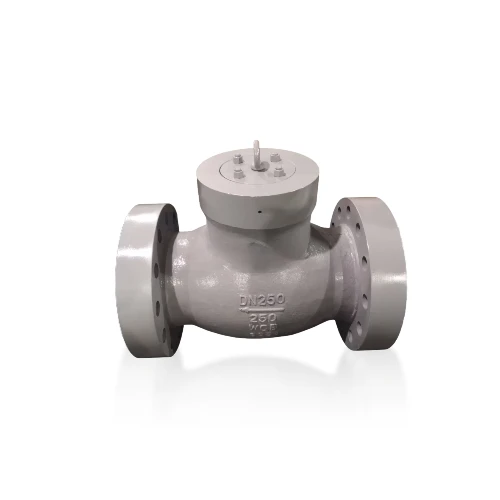
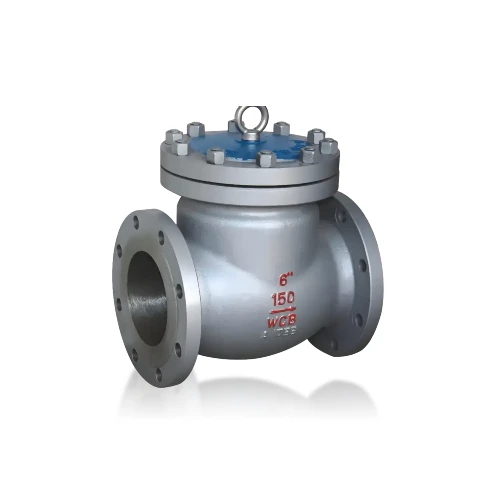
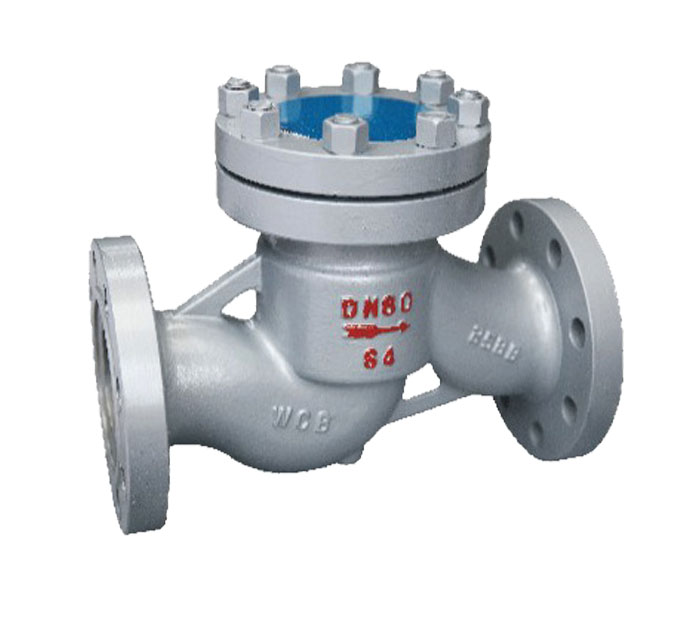
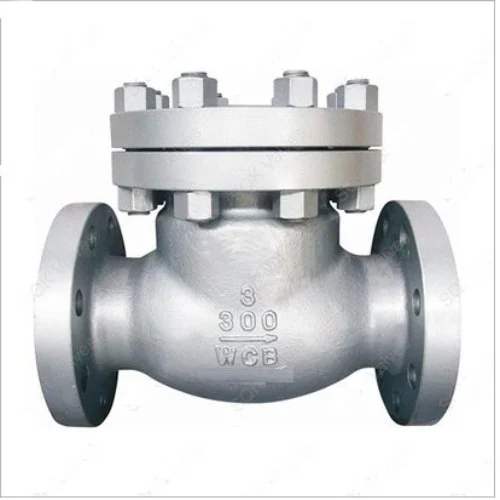
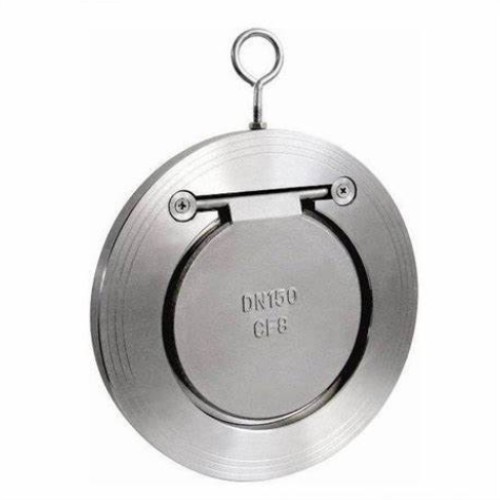
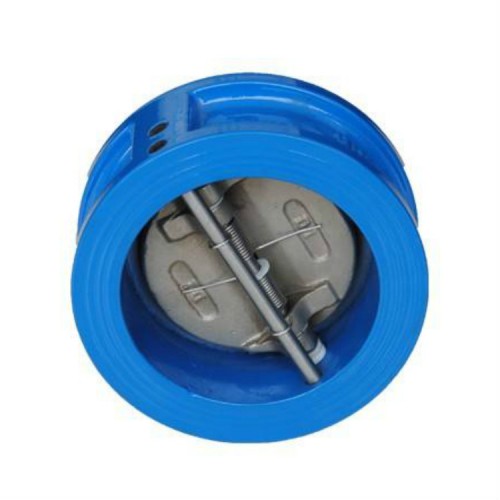
Check valves, also known as non-return valves, are designed to allow fluid to flow in one direction while preventing reverse flow. They are commonly used to maintain the flow of fluid in a single direction and to prevent backflow, which can cause damage or contamination in a system. Check valves can be classified based on their design and application:
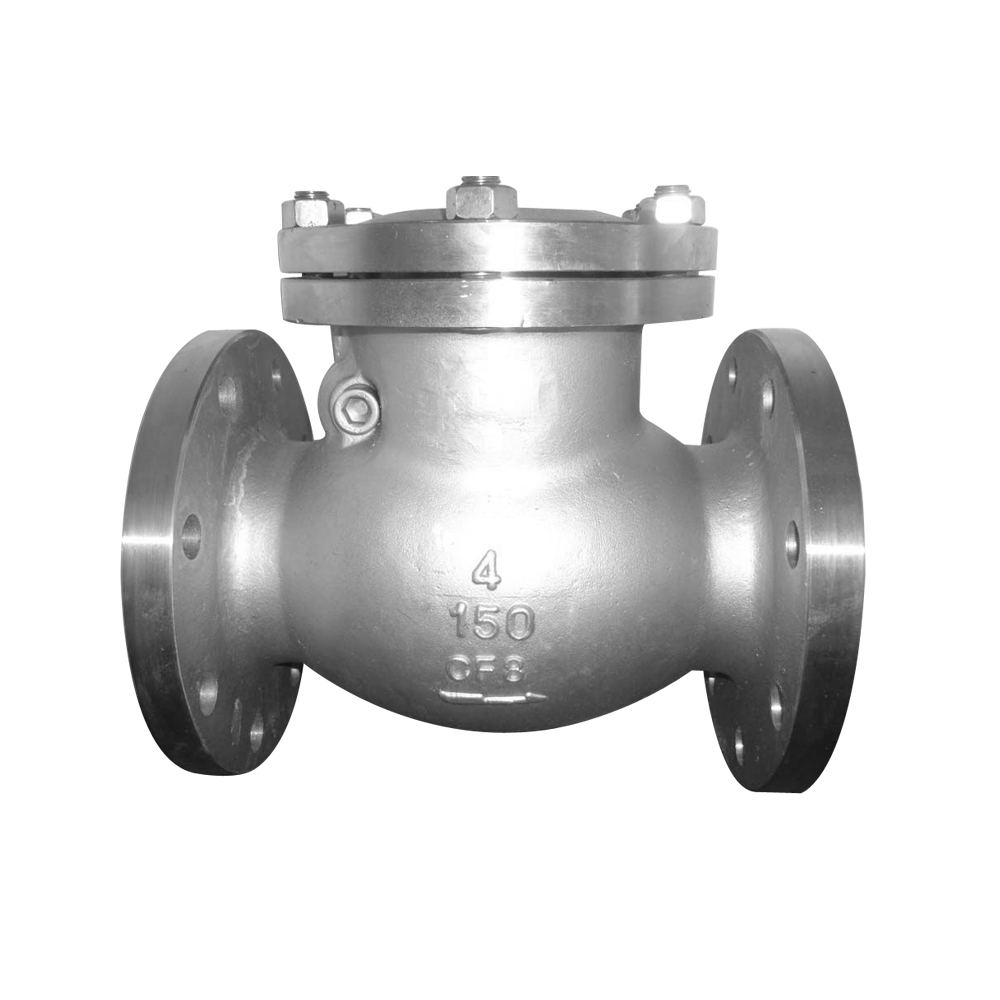
1. Swing Check Valve: This type of check valve uses a hinged disc to block reverse flow. When the forward flow stops, the disc swings into a closed position to prevent backflow. Swing check valves are suitable for applications with moderate flow rates and are commonly used in water and wastewater systems.
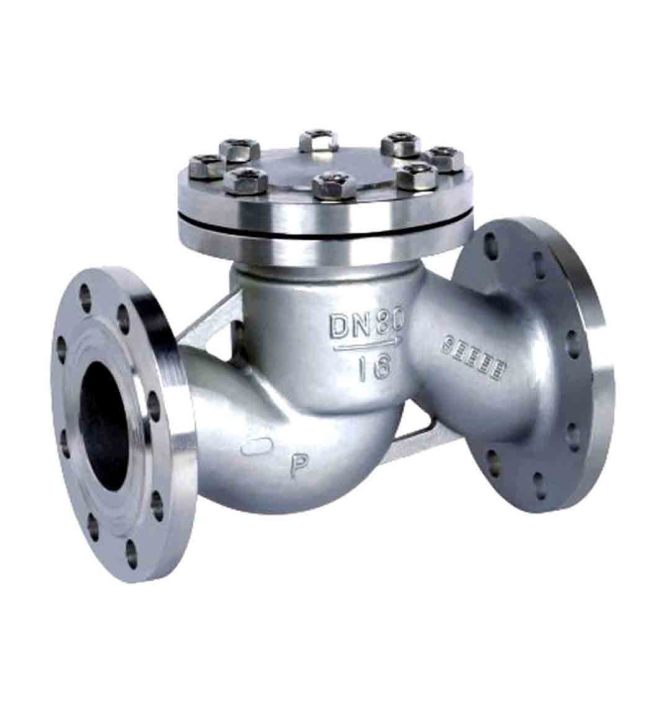
2. Lift Check Valve: Lift check valves use a guided disc that moves up and down to control the flow. When the forward flow stops, the disc is lifted to allow flow, and when the flow reverses, the disc is forced back onto the seat to prevent backflow. Lift check valves are often used in high-pressure and high-temperature applications.
Check valves are essential components in various industries, including oil and gas, chemical processing, water treatment, and HVAC systems, where maintaining flow direction and preventing backflow are critical for system performance and safety.
When Should I Use A Check Valve?
A check valve should be used in applications where backflow prevention is essential. This includes situations where the reversal of flow could cause damage to equipment, contamination of the system, or safety hazards. Check valves are commonly employed in various systems such as water and wastewater treatment, pumping systems, HVAC systems, and industrial processes where maintaining flow direction and preventing backflow are critical. Additionally, check valves are often used in combination with pumps to prevent the backflow of fluid when the pump is not in operation. In summary, check valves are utilized in scenarios where ensuring unidirectional flow and preventing reverse flow are vital for the efficient and safe operation of the system.












































































