


 svenska
 afrikanska
 albanska
 amhariska
 arabiska
 armeniska
 azerbajdzjanska
 baskiska
 vitryska
 bengaliska
 bosniska
 bulgariska
 katalanska
 Cebuano
 korsikanska
 Kroatisk
 tjeckiska
 danska
 holländska
 engelsk
 esperanto
 estniska
 finska
 franska
 frisiska
 galiciska
 georgiska
 tysk
tysk
 grekisk
 Gujarati
 haitisk kreol
 hausa
hausa
 hawaiian
 hebreiska
 Nej
Nej
 Miao
Miao
 ungerska
 isländska
 igbo
igbo
 indonesiska
 irländsk
 italienska
 japanska
 javanesiska
 Kannada
 kazakiska
 Khmer
Khmer
 rwandiska
 koreanska
 kurdiska
 kirgiziska
 TB
TB
 latin
latin
 lettiska
 litauiska
 Luxemburgiska
 makedonska
 Malgashi
 malajiska
 Malayalam
 maltesiska
 Maori
Maori
 Marathi
 mongoliska
 Myanmar
 nepalesiska
 norska
 norska
 occitanska
 Pashto
 persiska
 putsa
putsa
 portugisiska
 Punjabi
 rumänska
 ryska
ryska
 Samoan
 skotsk gaeliska
 serbiska
 engelsk
 Shona
Shona
 Sindhi
 singalesiska
 slovakiska
 slovenska
 somaliska
 spanska
 Sundanesiska
 Swahili
 Tagalog
 tadzjikiska
 Tamil
Tamil
 tatariska
 Telugu
 Thai
Thai
 turkiska
 turkmeniska
 ukrainska
 Urdu
Urdu
 Uigur
Uigur
 uzbekiska
 vietnamesiska
 walesiska
 Hjälp
Hjälp
 jiddisch
 Yoruba
 Zulu
Zulu


Balanced valve, also known as a balancing valve, is a type of valve used in fluid systems to regulate and control the flow of liquids or gases. It is designed to ensure that the flow rates through different branches of a piping system are properly balanced, meaning that the flow is evenly distributed according to the system's design requirements. Balanced valves are commonly used in hydronic heating and cooling systems, as well as in HVAC systems, to maintain optimal flow conditions and to achieve efficient and uniform distribution of the heating or cooling medium. These valves are available in various types, including globe valves, ball valves, and specialized balancing valves, each designed to provide precise flow control and balancing capabilities. The classification of balanced valves is based on factors such as the type of fluid being controlled, the pressure and temperature requirements, and the specific application within the fluid system. Proper selection and installation of balanced valves are essential for ensuring the overall performance, energy efficiency, and reliability of the fluid system.

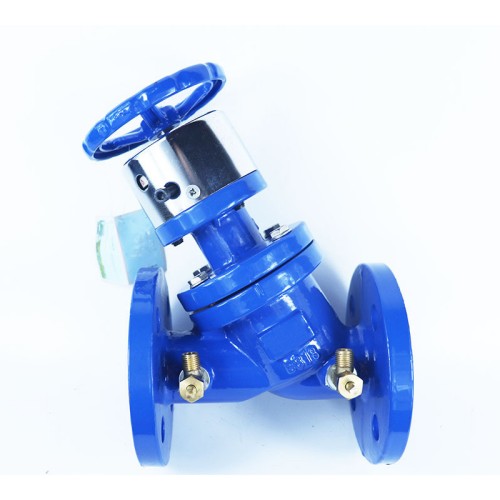

How To Balance A Balancing Valve?
Balancing a balancing valve involves adjusting the valve to ensure that the flow of fluid through the system is properly distributed. Here are the general steps for balancing a balancing valve:
1. Initial Setting: Begin by setting the balancing valve to its initial position, typically fully open or fully closed, depending on the specific valve design and the system requirements.
2. Measure Flow: Use flow measurement devices such as flow meters to determine the actual flow rates through different branches of the system. This step helps identify any imbalances in the flow distribution.
3. Adjust Valve Position: Based on the flow measurements, adjust the position of the balancing valve to regulate the flow through each branch of the system. This may involve partially opening or closing the valve to achieve the desired flow rates.
4. Verify and Fine-Tune: After adjusting the valve position, verify the flow rates again to ensure that the desired balance is achieved. Fine-tune the valve position as needed to achieve the specified flow distribution.
5. Repeat if Necessary: In complex systems or systems with changing operating conditions, the balancing process may need to be repeated periodically to maintain optimal flow balance.
Balancing a balancing valve is essential for ensuring that the flow of fluid through the system is evenly distributed, which helps optimize system performance, energy efficiency, and equipment longevity. Proper balancing also contributes to maintaining consistent temperatures and pressures throughout the system.












































































