 86-312-8695888
 86-13722963501
 info@hbysindustry.com
-
 Afrika
-
 bahasa Albania
-
 Amharik
-
 Arab
Arab
-
 orang Armenia
-
 Azerbaijan
-
 Basque
-
 Belarusia
-
 Benggala
-
 Bosnia
-
 Bulgaria
-
 Katalan
-
 Cebuano
-
 Korsika
-
 Kroasia
-
 Ceko
Ceko
-
 Orang Denmark
-
 Belanda
-
 Bahasa inggris
-
 Esperanto
-
 Estonia
-
 Finlandia
-
 Perancis
-
 Frisian
-
 Galisia
-
 orang Georgia
-
 Jerman
-
 Orang yunani
-
 Gujarati
-
 Kreol Haiti
-
 hausa
hausa
-
 Hawaii
-
 Ibrani
-
 Tidak
Tidak
-
 Miao
Miao
-
 Hongaria
-
 Islandia
-
 igbo
igbo
-
 bahasa Indonesia
-
 orang Irlandia
-
 Italia
-
 Jepang
-
 Jawa
Jawa
-
 Kannada
-
 kazakh
-
 Khmer
Khmer
-
 Rwanda
-
 Korea
Korea
-
 Kurdi
Kurdi
-
 Kirgistan
-
 TBC
TBC
-
 Latin
Latin
-
 Latvia
-
 Lithuania
-
 Luksemburg
-
 Makedonia
-
 Malgashi
-
 Melayu
-
 Malayalam
-
 Malta
Malta
-
 Maori
Maori
-
 Marathi
-
 Mongolia
-
 Myanmar
-
 Nepal
Nepal
-
 Norwegia
-
 Norwegia
-
 Occitan
-
 Pashto
-
 Orang Persia
-
 Polandia
-
 Portugis
-
 Punjabi
-
 Rumania
-
 Rusia
Rusia
-
 Samoa
Samoa
-
 Gaelik Skotlandia
-
 Orang Serbia
-
 Bahasa inggris
-
 Shona
Shona
-
 Sindhi
-
 Sinhala
-
 Orang Slovakia
-
 Slovenia
-
 Somalia
-
 Orang Spanyol
-
 Sunda
Sunda
-
 Swahili
-
 Orang Swedia
-
 Tagalog
-
 Tajik
Tajik
-
 Tamil
Tamil
-
 Tatar
Tatar
-
 Telugu
-
 Thai
Thai
-
 Turki
Turki
-
 orang Turkmenistan
-
 Orang Ukraina
-
 Urdu
Urdu
-
 Uighur
-
 Uzbek
Uzbek
-
 Orang Vietnam
-
 Welsh
Welsh
-
 Membantu
-
 Yiddi
Yiddi
-
 Yoruba
-
 Zulu
Zulu


The Key to Fluid Control: Exploring the Advantages of Ball Valves in Industrial Systems
When it comes to regulating and controlling fluid flow in industrial systems, globe valves stand out as one of the most reliable and efficient solutions. Whether you are looking for a globe valve manufacturer, a globe valve supplier, or specific sizes like the globe valve 1/2 or globe valve 1/4, these valves offer unmatched precision and control over various types of fluids. As fluid control is critical in industries ranging from water treatment to oil and gas, globe valves are widely used for their ability to modulate flow and provide tight shut-off functionality. In this article, we will explore why globe valves are essential for modern industries, focusing on the advantages of globe valve 1/2, globe valve 1/4, and how they compare to ball valves and gate valves.
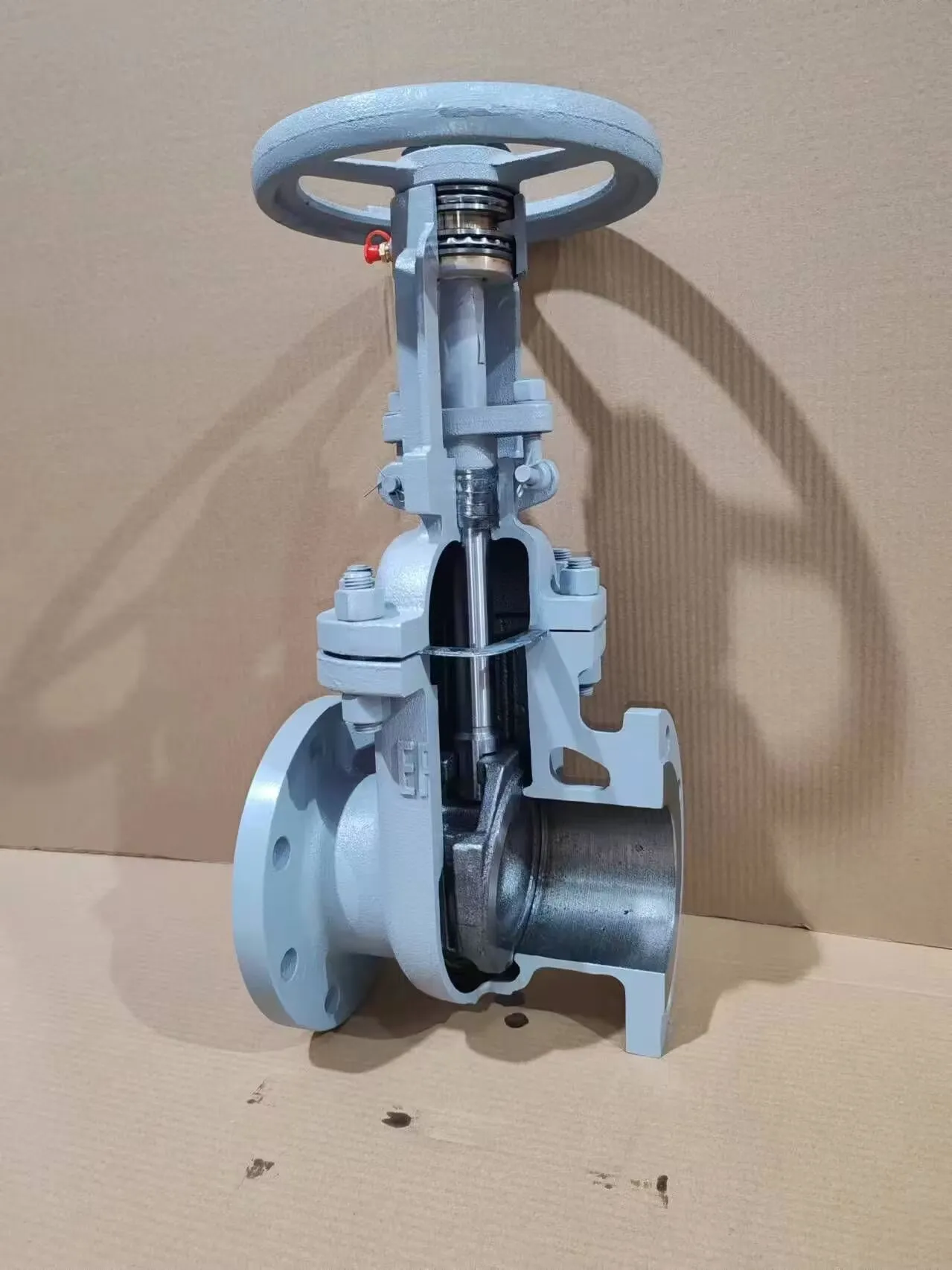
What is a Globe Valve?
A globe valve is a type of valve commonly used to regulate the flow of fluid in pipelines. The design of the globe valve is specifically made for throttling services, providing accurate control of flow. The valve consists of a spherical body, hence the name "globe," with an internal baffle separating the two halves of the body. The mechanism inside includes a plug and seat that works by either obstructing or allowing the flow of the fluid, depending on the position of the valve handle or actuator.
What sets the globe valve apart is its ability to offer precise flow control, making it the preferred choice for systems that require fine adjustment, such as chemical plants, HVAC systems, and water treatment plants. While gate valves and ball valves are typically used for on/off operations, globe valves allow for continuous flow regulation, which is essential for maintaining optimal system performance.
Globe Valve 1/2: Perfect for Smaller Systems
The globe valve 1/2 is an ideal choice for smaller fluid systems that require precise flow regulation. Its compact size and durable construction make it a popular option for applications where space is limited, but accurate control is necessary. Commonly found in smaller industrial systems or residential installations, the globe valve 1/2 is designed to handle various types of fluids, including water, steam, and oil.
One of the advantages of the globe valve 1/2 is its versatility in controlling low to medium flow rates. It is particularly effective when installed in systems that require frequent adjustments to maintain the desired pressure or flow. Whether used in small pipelines or as part of a larger system, the globe valve 1/2 can provide excellent service, allowing operators to adjust the flow rate with precision.
Globe Valve 1/4: A Specialized Solution for Precision
For even more precise control in highly specialized applications, the globe valve 1/4 is a perfect choice. This valve is often used in systems requiring fine adjustments and where minimal flow rates are involved. The globe valve 1/4 is typically smaller in diameter and more sensitive to flow changes, making it ideal for sensitive applications such as laboratory experiments, chemical processes, or small-scale HVAC systems.
One of the main advantages of the globe valve 1/4 is its ability to handle very fine adjustments in fluid flow. With its small size, it can be installed in areas where larger valves may not fit. Despite its small size, the globe valve 1/4 offers excellent performance in regulating the flow of gases or liquids in confined spaces, ensuring precision and stability within the system.
Ball Valve, Gate Valve, and Globe Valve: Understanding the Differences
While globe valves are known for their flow control capabilities, it’s essential to compare them to other common valve types, such as ball valves and gate valves, to understand where each is best applied. The katup bola is primarily used for on/off control, offering quick and simple operation with minimal pressure drop. Gate valves, on the other hand, are typically used for isolating services where full flow control is not necessary. They are ideal for applications where a fully open or closed position is required.
In contrast, the globe valve excels in applications that require continuous regulation of fluid flow. The throttling function of the globe valve ensures that flow can be adjusted and maintained precisely over a wide range of conditions, making it ideal for systems that require ongoing flow control. While ball valves and gate valves offer reliability in their respective on/off applications, the globe valve stands out as the optimal solution for flow modulation, providing the flexibility needed in many industries.
Why Choose Globe Valve Manufacturers and Suppliers for Your Needs?
When it comes to selecting the right globe valve manufacturer or globe valve supplier, it’s important to ensure that you’re working with a company that understands the complexities of fluid control systems and can provide reliable products. Experienced suppliers offer a variety of globe valves, including specialized options like the globe valve 1/2 and globe valve 1/4, which can be customized to suit the specific needs of your application.
Choosing the right globe valve manufacturer means investing in high-quality valves that are built to last and function efficiently in demanding conditions. Leading manufacturers utilize advanced materials, such as stainless steel or carbon steel, and ensure that their products meet the highest industry standards for performance and safety. Whether you’re installing a valve in a chemical plant, water treatment facility, or oil refinery, working with a trusted globe valve supplier ensures that you’ll receive products that meet the unique demands of your system.
FAQs About Globe Valves
What is the difference between a globe valve 1/2 and a globe valve 1/4?
The main difference lies in the size and flow capacity. A globe valve 1/2 is larger and suitable for moderate flow control, while the globe valve 1/4 is smaller, designed for finer adjustments and smaller systems.
When should I use a globe valve instead of a ball valve or gate valve?
You should choose a globe valve when you need precise flow regulation. Ball valves and gate valves are more suitable for on/off control, whereas globe valves are ideal for throttling and adjusting flow.
What are the benefits of working with a globe valve supplier?
A globe valve supplier provides you with high-quality valves tailored to your specific needs, ensuring reliable performance and longevity in your fluid control systems.
How do I know if I need a globe valve 1/2 or globe valve 1/4?
If you need to regulate moderate fluid flow in a larger system, the globe valve 1/2 is the ideal choice. For precise control in smaller systems or applications requiring fine adjustments, the globe valve 1/4 is more appropriate.
Can globe valves be used for both high-pressure and low-pressure systems?
Yes, globe valves can be used in both high-pressure and low-pressure systems, depending on the materials used and the design specifications of the valve.
Ready to improve your fluid control systems? Consider investing in high-quality globe valves from trusted manufacturers and suppliers. Whether you need a globe valve 1/2, globe valve 1/4, or other customized solutions, we offer a wide range of valves to meet your needs. Visit our website today to learn more and get a quote tailored to your requirements. Don’t wait—ensure your system’s reliability and efficiency with top-notch globe valves!
-
Comprehensive Guide to China Pipe Laterals Fittings for Global Trade ApplicationsBeritaFeb.24,2026
-
China Extended Body Gate Valves A Comprehensive Guide To Selection And ApplicationBeritaFeb.11,2026
-
Comprehensive Guide to China 3 Inch Butterfly Valve Selection and ApplicationsBeritaJan.30,2026
-
Comprehensive Guide to Pipe Adaptors and Fittings for Efficient SystemsBeritaJan.28,2026
-
Comprehensive Guide to Pipe T Fittings for Plumbing and Fluid Transfer SystemsBeritaJan.28,2026
-
Comprehensive Guide to Union Pipe Fitting Selection and ApplicationsBeritaJan.27,2026
-
Comprehensive Guide to China Angle Globe Valves for Industrial ApplicationsBeritaJan.27,2026
 Indonesian
 Afrikaans
  Albanian
  Amharic
  Arabic
  Armenian
  Azerbaijani
  Basque
  Belarusian
  Bengali
  Bosnian
  Bulgarian
  Catalan
  Cebuano
  Croatian
  Czech
Czech  Danish
  Dutch
Dutch  English Esperanto
  Estonian
  Finnish
  French
  Frisian
  Galician
  Georgian
  German
  Greek
Greek  Gujarati
  Hebrew
  Hindi
Hindi  Hungarian
  Icelandic
  Italian
  Japanese
  Kannada
  Kazakh
  Khmer
Khmer  Korean
  Kurdish
  Lao
Lao  Latvian
  Lithuanian
  Macedonian
  Malay
Malay  Malayalam
  Marathi
  Mongolian
  Myanmar
  Nepali
  Norwegian
  Pashto
  Persian
  Polish
  Portuguese
  Panjabi
  Romanian
  Russian
  Scottish Gaelic
  Serbian
  Sinhala
  Slovak
  Slovenian
  Spanish
  Swahili
  Swedish
  Tagalog
  Tamil
Tamil  Tatar
Tatar  Telugu
  Thai
Thai  Turkish
  Ukrainian
  Urdu
Urdu  Uighur
  Uzbek
Uzbek  Vietnamese
  Welsh
Welsh