 86-312-8695888
 86-13722963501
 info@hbysindustry.com
-
 африкански
-
 албански
-
 амхарски
-
 арапски
-
 ерменски
-
 азербејџански
-
 Баскија
-
 белоруски
-
 бенгалски
-
 босански
-
 бугарски
-
 каталонски
-
 Себуано
-
 корзикански
-
 хрватски
-
 чешки
чешки
-
 дански
-
 холандски
-
 Англиски
-
 есперанто
-
 естонски
-
 фински
-
 француски
-
 фризиски
-
 Галициски
-
 грузиски
-
 германски
-
 грчки
грчки
-
 гуџарати
-
 хаитски креолски
-
 хауса
хауса
-
 хавајски
-
 хебрејски
-
 Не
Не
-
 Миао
Миао
-
 унгарски
-
 исландски
-
 игбо
игбо
-
 индонезиски
-
 ирски
ирски
-
 италијански
-
 јапонски
-
 јавански
-
 каннада
-
 казах
казах
-
 Кмер
Кмер
-
 Руанда
-
 корејски
-
 курдски
-
 Киргистан
-
 ТБ
ТБ
-
 латински
-
 латвиски
-
 Литвански
-
 луксембуршки
-
 македонски
-
 Малгаши
-
 малајски
-
 малајалам
-
 малтешки
-
 маори
маори
-
 марати
-
 монголски
-
 Мјанмар
-
 непалски
-
 норвешки
-
 норвешки
-
 Окситански
-
 пашту
пашту
-
 персиски
-
 полски
-
 португалски
-
 пенџапски
-
 романски
-
 руски
руски
-
 Самоански
-
 Шкотско галски
-
 српски
-
 Англиски
-
 Шона
Шона
-
 Синди
Синди
-
 синхалски
-
 словачки
-
 словенечки
-
 сомалиски
-
 шпански
-
 сундски
-
 свахили
-
 шведски
-
 тагалог
-
 Таџикистански
-
 тамилски
-
 татарски
-
 телугу
-
 тајландски
-
 турски
-
 Туркменистански
-
 украински
-
 урду
урду
-
 ујгур
ујгур
-
 Узбекистански
-
 виетнамски
-
 Велшки
-
 Помош
Помош
-
 јидиш
јидиш
-
 Јоруба
-
 зулу
зулу


Basic knowledge: principles, features and use occasions of different valves
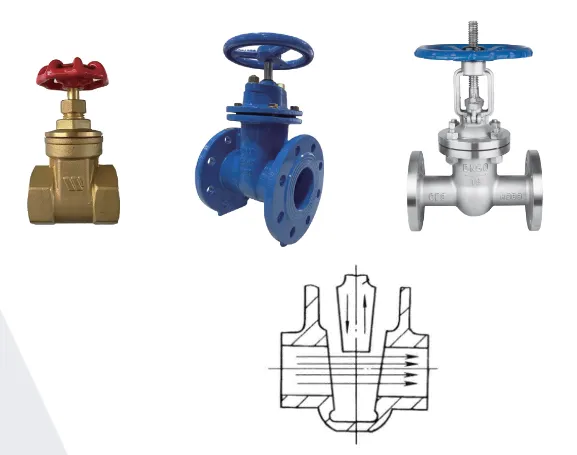
Gate valve
Working principle: There is a gate opening and closing part inside the valve body. The movement direction of the gate is perpendicular to the direction of the fluid. Because it can block water like a sluice, it is called a gate valve
Advantages and disadvantages: Advantages include small flow resistance; opening and closing are more labor-saving; medium flow direction is not restricted; when fully open, the sealing surface is less eroded by the working medium than the stop valve.
Disadvantages include large external dimensions and opening height, and large space required for installation; during opening and closing, there is relative friction between the sealing surfaces, which is easy to cause scratches; the gate valve has two sealing surfaces, which makes processing, grinding and maintenance more difficult; the opening and closing time is long.
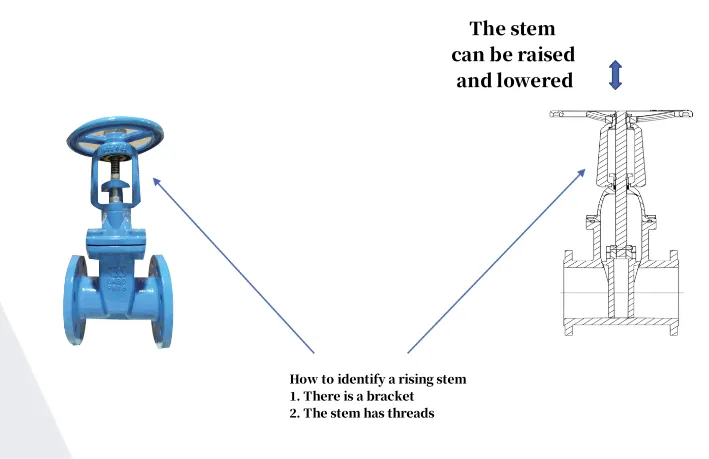
Rising stem gate valve
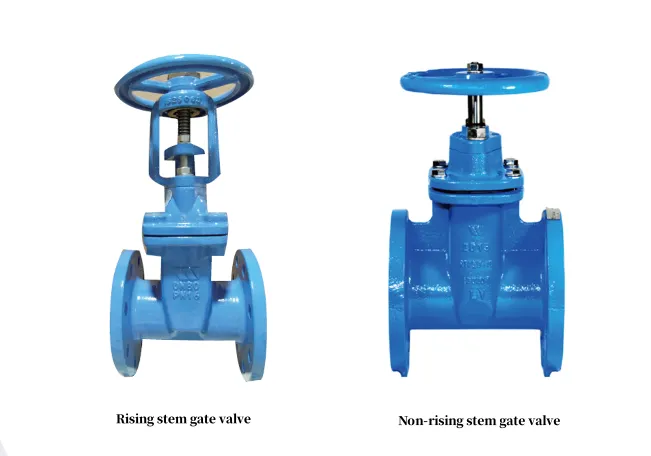
Difference: The rising stem gate valve has an exposed stem, and the degree of opening and closing is more intuitive, but the stem is also corroded Scope of application: Fire water pump outlet pipe, water suction pipe; outlet pipe, water suction pipe of pressure regulating pump; fire water supply network
Non-rising stem gate valve Difference: Compared with the rising stem gate valve, the non-rising stem gate valve has a non-exposed stem, and the degree of opening and closing is not intuitive, and the installation space is small, which is suitable for concealed projects Scope of application: Fire water pump suction pipe; Fire water supply network
Globe valve
Working principle: Also known as the gate valve, a forced sealing valve, the closing part is driven by the valve stem to move up and down along the center line of the valve seat. The opening or closing stroke of the stop valve is relatively short, and it has a very reliable shut-off action.
Classification of globe valves:
Top threaded stem globe valve
Lower threaded stem globe valve
Straight-through globe valve
Angle globe valve
Three-way globe valve
DC globe valve
Plunger globe valve
Needle globe valve
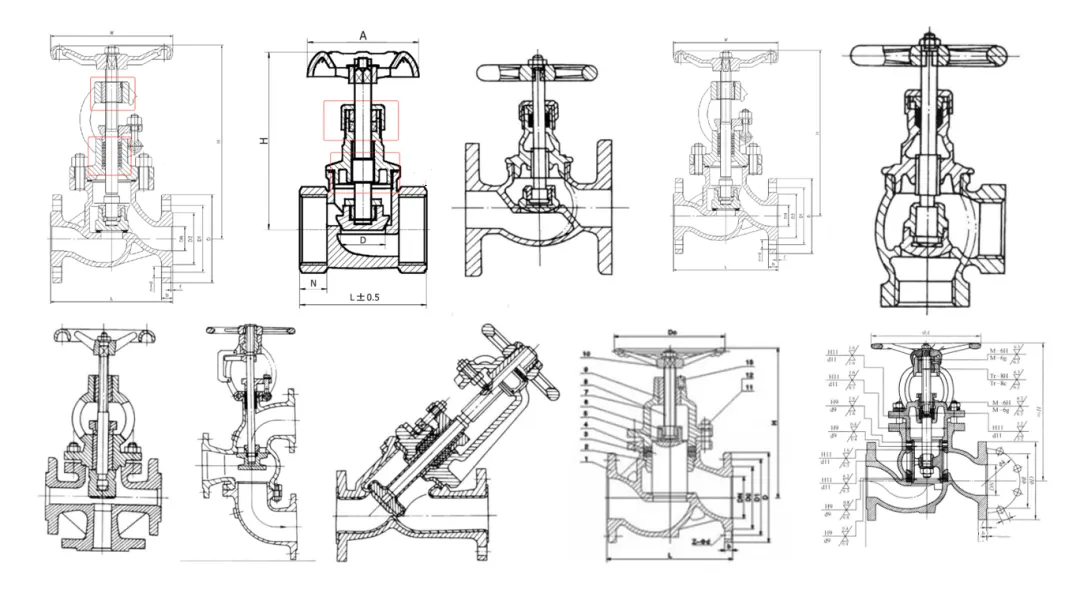
Advantages and disadvantages of globe valves:
Advantages: The friction of the sealing surface is smaller than that of the gate valve during opening and closing, and it is wear-resistant; the opening height is smaller than that of the gate valve, generally 1/4 of the valve seat diameter; one sealing surface, easy to maintain.
Disadvantages: The flow resistance coefficient is large, causing a large pressure loss; the opening and closing torque is large; the sealing surface may clamp solid particles; pay attention to the inlet and outlet direction when selecting.
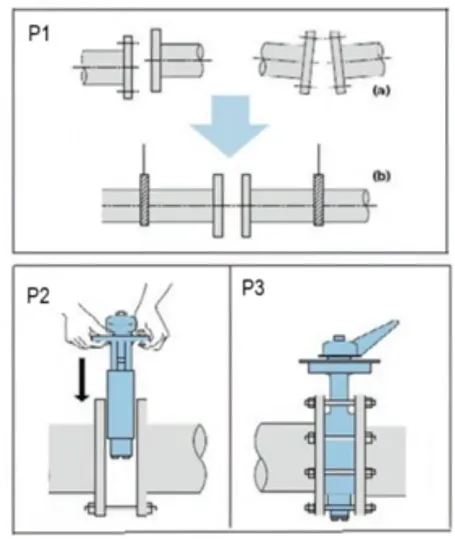
Butterfly valve
Working principle: The closing part (valve disc or butterfly plate) is a disc, which rotates around the valve axis to achieve opening and closing.
Scope of application: Fire water pump outlet pipe, water suction pipe; indoor overhead pipeline.
Supplementary explanation: The applicability of butterfly valves is similar to that of gate valves, and some provisions require them to have self-locking functions.
Common installation and use precautions:
- For butterfly valves ≥DN450, a solid foundation should be set
- 2. The installation test flange should use a special flange for wafer butterfly valves (standard flat flanges)
- 3. The valve is used for water pipelines. The working temperature is -20~+120°C
- 4. The maximum working pressure of the valve at the corresponding temperature is less than its rated pressure
- 5. Do not weld or repair the valve or apply surface coating during operation
- 6. The valve must not be disassembled when under pressure
- 7. When using the valve, please check it once every three months
- 8. The system pressure test and each water flow should be slowly pressurized, and the instantaneous pressure should not be higher than 1.1 times the rated pressure, otherwise there is a risk of damaging the sealing structure.
-
Comprehensive Guide to China Pipe Laterals Fittings for Global Trade ApplicationsВестиFeb.24,2026
-
China Extended Body Gate Valves A Comprehensive Guide To Selection And ApplicationВестиFeb.11,2026
-
Comprehensive Guide to China 3 Inch Butterfly Valve Selection and ApplicationsВестиJan.30,2026
-
Comprehensive Guide to Pipe Adaptors and Fittings for Efficient SystemsВестиJan.28,2026
-
Comprehensive Guide to Pipe T Fittings for Plumbing and Fluid Transfer SystemsВестиJan.28,2026
-
Comprehensive Guide to Union Pipe Fitting Selection and ApplicationsВестиJan.27,2026
-
Comprehensive Guide to China Angle Globe Valves for Industrial ApplicationsВестиJan.27,2026
 Macedonian
 Afrikaans
  Albanian
  Amharic
  Arabic
  Armenian
  Azerbaijani
  Basque
  Belarusian
  Bengali
  Bosnian
  Bulgarian
  Catalan
  Cebuano
  Croatian
  Czech
Czech  Danish
  Dutch
Dutch  English Esperanto
  Estonian
  Finnish
  French
  Frisian
  Galician
  Georgian
  German
  Greek
Greek  Gujarati
  Hebrew
  Hindi
Hindi  Hungarian
  Icelandic
  Indonesian
  Italian
  Japanese
  Kannada
  Kazakh
  Khmer
Khmer  Korean
  Kurdish
  Lao
Lao  Latvian
  Lithuanian
  Malay
Malay  Malayalam
  Marathi
  Mongolian
  Myanmar
  Nepali
  Norwegian
  Pashto
  Persian
  Polish
  Portuguese
  Panjabi
  Romanian
  Russian
  Scottish Gaelic
  Serbian
  Sinhala
  Slovak
  Slovenian
  Spanish
  Swahili
  Swedish
  Tagalog
  Tamil
Tamil  Tatar
Tatar  Telugu
  Thai
Thai  Turkish
  Ukrainian
  Urdu
Urdu  Uighur
  Uzbek
Uzbek  Vietnamese
  Welsh
Welsh