 86-312-8695888
 86-13722963501
 info@hbysindustry.com
-
 african
-
 albanez
-
 amharică
-
 arabic
-
 armean
-
 Azerbaidjan
-
 bască
bască
-
 Belarus
-
 bengaleză
-
 Bosniac
-
 bulgară
-
 catalan
-
 Cebuano
-
 corsicană
-
 croat
croat
-
 ceh
ceh
-
 danez
danez
-
 olandeză
-
 Engleză
-
 esperanto
-
 estonă
-
 finlandeză
-
 limba franceza
-
 frizonă
-
 Galician
-
 georgian
-
 limba germana
-
 greacă
-
 Gujarati
-
 creolul haitian
-
 hausa
hausa
-
 hawaian
-
 ebraică
-
 nu
nu
-
 Miao
Miao
-
 maghiară
-
 islandez
-
 igbo
igbo
-
 indoneziană
-
 irlandez
-
 Italiană
-
 japonez
-
 javaneză
-
 Kannada
-
 kazah
kazah
-
 Khmer
Khmer
-
 ruandez
-
 coreeană
-
 kurdă
kurdă
-
 Kârgâz
-
 TB
TB
-
 latin
latin
-
 letonă
-
 lituanian
-
 luxemburghez
-
 macedonean
-
 Malgashi
-
 Malaeză
-
 Malayalam
-
 malteză
-
 maori
maori
-
 marathi
-
 mongol
-
 Myanmar
-
 nepaleză
-
 norvegian
-
 norvegian
-
 occitană
-
 Pashto
-
 persană
-
 Lustrui
-
 portugheză
-
 punjabi
-
 Română
-
 Rusă
Rusă
-
 samoană
-
 gaelic scoțian
-
 sârb
sârb
-
 Engleză
-
 Shona
Shona
-
 Sindhi
-
 Sinhala
-
 slovacă
-
 slovenă
-
 somalez
-
 Spaniolă
-
 Sundaneza
-
 Swahili
-
 suedez
-
 tagalog
-
 Tadjik
-
 tamil
tamil
-
 tătar
tătar
-
 Telugu
-
 thailandez
-
 turc
turc
-
 turkmeni
-
 ucrainean
-
 Urdu
Urdu
-
 Uighur
-
 uzbec
uzbec
-
 vietnamez
-
 galeză
-
 Ajutor
-
 idiş
idiş
-
 Yoruba
-
 Zulu
Zulu


2 piece ball valves | Full Port, 1000 WOG, Fast Shipping
A Practical Insider’s Take on 2 Piece Ball Valves
If you spend any time in fluid handling—breweries, HVAC rooms, compact skid packages—you quickly learn why engineers keep coming back to 2 Piece Ball Valves. They’re compact, serviceable, and, when the casting is right, they seal like a dream. I’ve toured enough plants to see the same story: people try butterfly or globe for “control,” then quietly swap to 2 Piece Ball Valves for tight shutoff and fewer headaches.
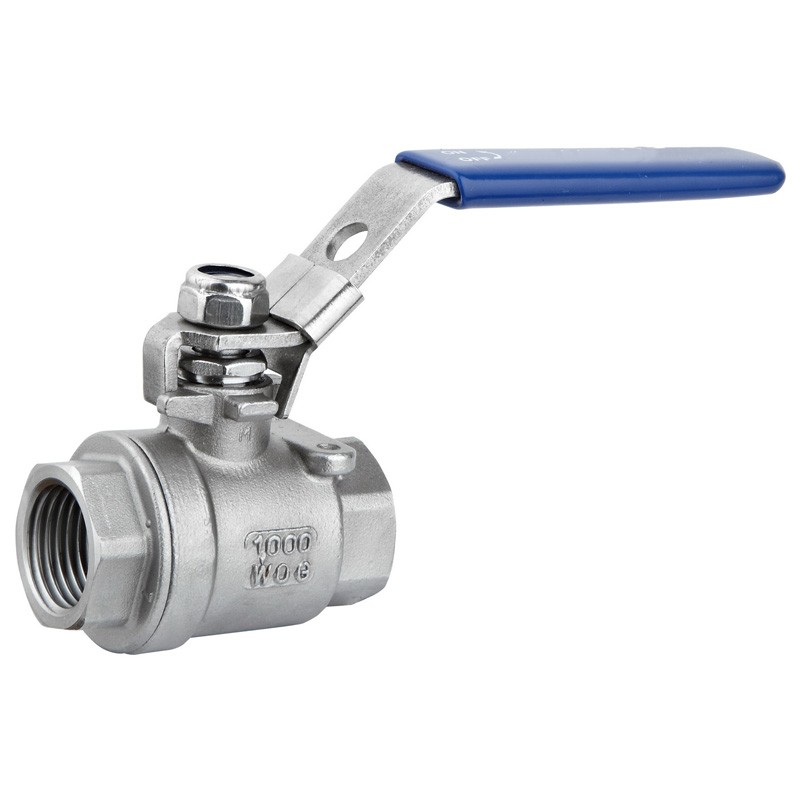
Product Snapshot: Q11f-16p Stainless Steel Two-piece Ball Valve
Origin: North Guzhuangying Village, Ansu Town, Xushui District, Baoding City, Hebei Province, China.
| Body Material | 304 or 316 stainless steel (investment cast; CNC finished) |
| Caliber Range | DN6–DN50 (≈ 1/4" to 2") |
| Pressure Rating | 1.6 MPa (PN16); real-world use may vary by temperature |
| Temperature | ≤ 180 ℃ (with PTFE seats) |
| Media | Water, steam, oil, and non-aggressive fluids |
| Connection / Operation | Threaded ends; manual handle |
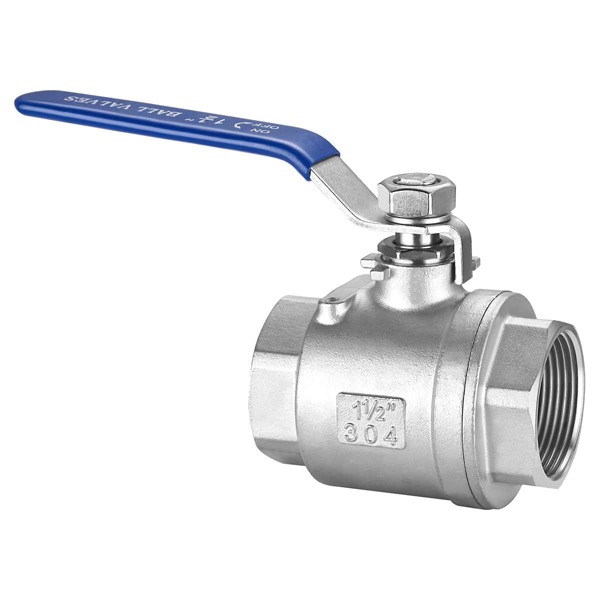
Industry Trends (Quickly, the honest version)
- Compact skids and plug-and-play skids push demand for 2 Piece Ball Valves threaded builds.
- Upgrades from brass to 304/316 for hygiene and corrosion resistance—even in light oil and steam loops.
- specs gravitate to API 598/EN 12266 leak testing; buyers ask for MTRs and ISO 9001 paperwork as standard.

How it’s Built (and Tested)
Materials: 304/316 SS body and ball, PTFE seats, reinforced PTFE stem packing. Method: precision investment casting, CNC seat pocket finish, lapped ball for consistent torque. Testing: hydrostatic shell at ≈ 1.5× rated pressure; seat at ≈ 1.1×, per API 598/EN 12266. Typical service life? In clean water loops, customers report 5–10 years; in steam cycles, expect shorter intervals—no surprises there.

Where They Shine
- Food & beverage CIP loops, craft breweries, dosing lines.
- HVAC hot water/steam branches (≤180 ℃), building services.
- Light chemical transfer, lube oil skids, utilities.
- OEM packages where quick shutoff beats throttling.
Advantages: small footprint, straightforward maintenance, predictable torque, and—this is underrated—threaded convenience when you don’t want to mobilize welders.
Vendor Snapshot (What buyers usually ask me)
| Vendor | Core Strength | Typical Lead Time | Testing Docs |
|---|---|---|---|
| HBYS (Q11f-16p) | Solid PN16 stainless lineup; cost-effective; flexible MOQ | ≈ 10–20 days | API 598/EN 12266, ISO 9001 bundle |
| Global Brand A | Premium finishes; broader certifications | ≈ 3–6 weeks | Full traceability, EN 10204 3.1 |
| Brand B (OEM) | Custom markings and handles | ≈ 2–4 weeks | Seat leak charts on request |
Customization Options
Thread forms (BSPP, BSPT, NPT), cavity relief porting, locking handles, anti-static device, VT/UT on castings, low-sulfur 316 for certain pharma specs. To be honest, most buyers only need thread type and tagging.
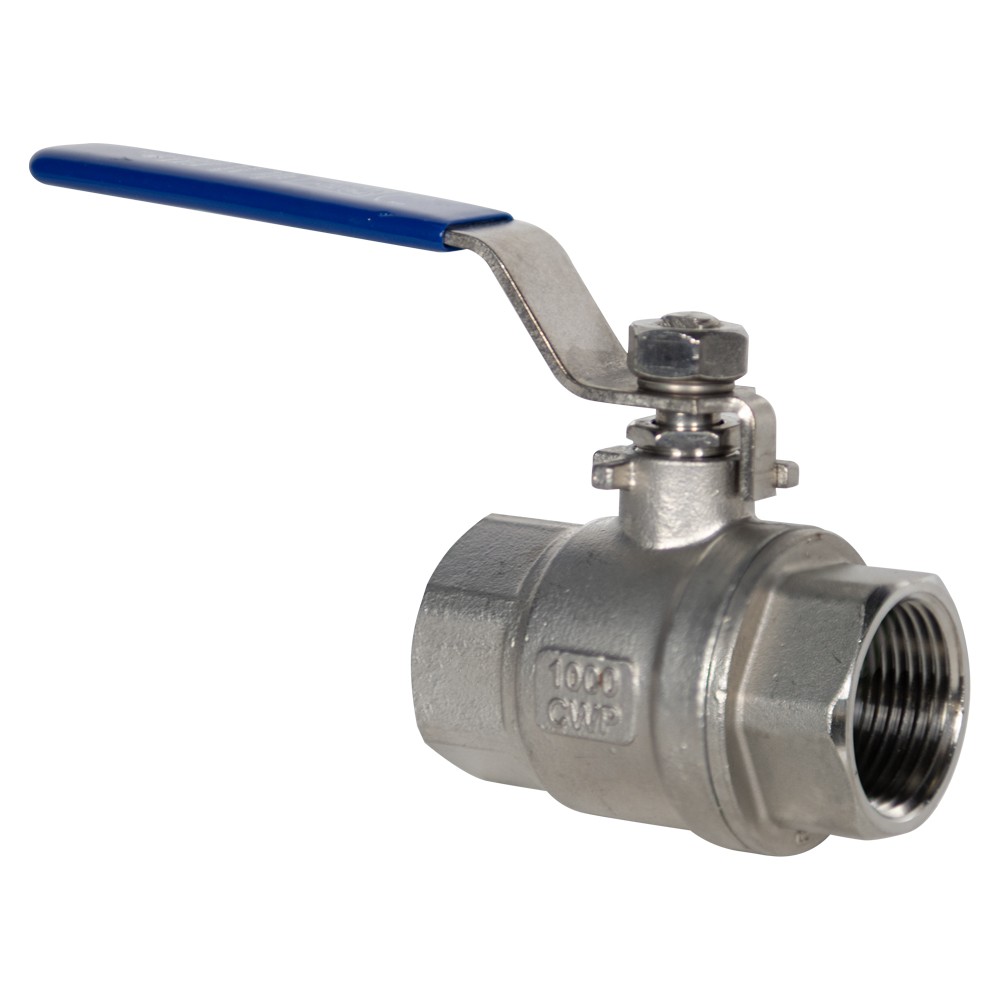
A Quick Case Study
A midsize brewery swapped aging gate valves for 2 Piece Ball Valves (DN25/DN32). Result: startup time cut by ≈15%, CIP losses down ≈8%, and leakage incidents dropped noticeably—operators told me the smoother quarter-turn action made line changeovers faster. Not scientific, but the maintenance log backed it up.
Test Data (typical set)
- Shell test: ≈ 2.4 MPa for PN16 bodies, no visible leakage (API 598).
- Seat test: ≈ 1.76 MPa, tight shutoff, repeat over 3 cycles per valve.
- Torque: DN25 measured around 6–10 N·m with clean water at 20 ℃.
Citations
- API 598: Valve Inspection and Testing.
- EN 12266-1/2: Industrial valves—Testing of metallic valves.
- ASME B16.34: Valves—Flanged, Threaded, and Welding End.
- ISO 9001: Quality management systems—Requirements.
-
Comprehensive Guide to China Pipe Laterals Fittings for Global Trade ApplicationsȘtiriFeb.24,2026
-
China Extended Body Gate Valves A Comprehensive Guide To Selection And ApplicationȘtiriFeb.11,2026
-
Comprehensive Guide to China 3 Inch Butterfly Valve Selection and ApplicationsȘtiriJan.30,2026
-
Comprehensive Guide to Pipe Adaptors and Fittings for Efficient SystemsȘtiriJan.28,2026
-
Comprehensive Guide to Pipe T Fittings for Plumbing and Fluid Transfer SystemsȘtiriJan.28,2026
-
Comprehensive Guide to Union Pipe Fitting Selection and ApplicationsȘtiriJan.27,2026
-
Comprehensive Guide to China Angle Globe Valves for Industrial ApplicationsȘtiriJan.27,2026
 Romanian
 Afrikaans
  Albanian
  Amharic
  Arabic
  Armenian
  Azerbaijani
  Basque
  Belarusian
  Bengali
  Bosnian
  Bulgarian
  Catalan
  Cebuano
  Croatian
  Czech
Czech  Danish
  Dutch
Dutch  English Esperanto
  Estonian
  Finnish
  French
  Frisian
  Galician
  Georgian
  German
  Greek
Greek  Gujarati
  Hebrew
  Hindi
Hindi  Hungarian
  Icelandic
  Indonesian
  Italian
  Japanese
  Kannada
  Kazakh
  Khmer
Khmer  Korean
  Kurdish
  Lao
Lao  Latvian
  Lithuanian
  Macedonian
  Malay
Malay  Malayalam
  Marathi
  Mongolian
  Myanmar
  Nepali
  Norwegian
  Pashto
  Persian
  Polish
  Portuguese
  Panjabi
  Russian
  Scottish Gaelic
  Serbian
  Sinhala
  Slovak
  Slovenian
  Spanish
  Swahili
  Swedish
  Tagalog
  Tamil
Tamil  Tatar
Tatar  Telugu
  Thai
Thai  Turkish
  Ukrainian
  Urdu
Urdu  Uighur
  Uzbek
Uzbek  Vietnamese
  Welsh
Welsh