 86-312-8695888
 86-13722963501
 info@hbysindustry.com
-
 african
-
 albanez
-
 amharică
-
 arabic
-
 armean
-
 Azerbaidjan
-
 bască
bască
-
 Belarus
-
 bengaleză
-
 Bosniac
-
 bulgară
-
 catalan
-
 Cebuano
-
 corsicană
-
 croat
croat
-
 ceh
ceh
-
 danez
danez
-
 olandeză
-
 Engleză
-
 esperanto
-
 estonă
-
 finlandeză
-
 limba franceza
-
 frizonă
-
 Galician
-
 georgian
-
 limba germana
-
 greacă
-
 Gujarati
-
 creolul haitian
-
 hausa
hausa
-
 hawaian
-
 ebraică
-
 nu
nu
-
 Miao
Miao
-
 maghiară
-
 islandez
-
 igbo
igbo
-
 indoneziană
-
 irlandez
-
 Italiană
-
 japonez
-
 javaneză
-
 Kannada
-
 kazah
kazah
-
 Khmer
Khmer
-
 ruandez
-
 coreeană
-
 kurdă
kurdă
-
 Kârgâz
-
 TB
TB
-
 latin
latin
-
 letonă
-
 lituanian
-
 luxemburghez
-
 macedonean
-
 Malgashi
-
 Malaeză
-
 Malayalam
-
 malteză
-
 maori
maori
-
 marathi
-
 mongol
-
 Myanmar
-
 nepaleză
-
 norvegian
-
 norvegian
-
 occitană
-
 Pashto
-
 persană
-
 Lustrui
-
 portugheză
-
 punjabi
-
 Română
-
 Rusă
Rusă
-
 samoană
-
 gaelic scoțian
-
 sârb
sârb
-
 Engleză
-
 Shona
Shona
-
 Sindhi
-
 Sinhala
-
 slovacă
-
 slovenă
-
 somalez
-
 Spaniolă
-
 Sundaneza
-
 Swahili
-
 suedez
-
 tagalog
-
 Tadjik
-
 tamil
tamil
-
 tătar
tătar
-
 Telugu
-
 thailandez
-
 turc
turc
-
 turkmeni
-
 ucrainean
-
 Urdu
Urdu
-
 Uighur
-
 uzbec
uzbec
-
 vietnamez
-
 galeză
-
 Ajutor
-
 idiş
idiş
-
 Yoruba
-
 Zulu
Zulu


Understanding valve structure (gate valve)1.0
1. Definition of gate valve
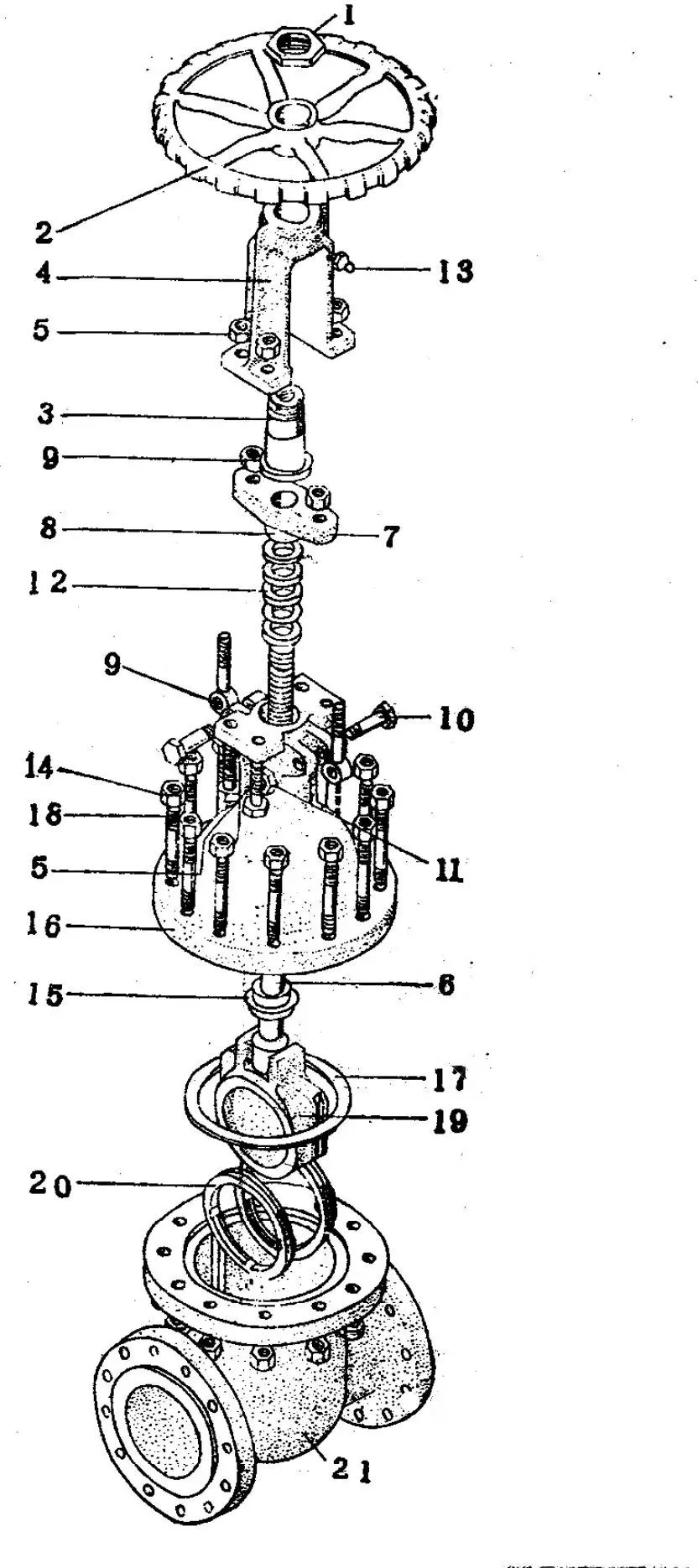
A gate valve is a valve that uses a gate or wedge-shaped disc that moves perpendicular to the fluid to open or stop the flow of fluid in a pipeline. Gate valves are the most commonly used valve type in all process equipment and are linear motion valves.
In use, they are either in the fully open position or in the fully closed position. When the gate valve is fully open, the valve disc of the gate valve is completely separated from the fluid and there is almost no flow resistance.
Therefore, when the fluid passes through the gate valve, the pressure will basically not drop. In order to achieve a proper seal, there needs to be 360° surface contact between the valve disc and the valve seat when the valve is fully closed. Gate valves are not used for regulation or throttling because precise control cannot be achieved. High-speed water flow in a half-open valve may cause erosion on the valve disc and valve seat surfaces and generate vibration and noise.
2. Gate valve structure
- Handwheel nut
- 2. Handwheel
- 3. Stem nut
- 4. Yoke
- 5. Yoke bolt
- 6. Stem
- 7. Gland flange
- 8. Gland
- 9. Gland bolts and nuts Picture
- 10. Gland lug bolts (eyebolt pin)
- 11,14. Nut
- 12. Stem packing
- 13. Drain plug
- 15. Back seat sleeve (bonnet stem sleeve) Upper sealing seat sleeve (stem sleeve)
- 16. Bonnet
- 17. Bonnet gasket
- 18. Bonnet bolts, nuts
- 19. Gate (disc, wedge)
- 20. Renewable seat ring
- 21. Body Corpul supapei
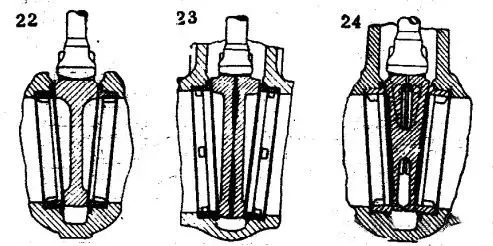
- 22. solid wedge
- 23. split wedge
- 24. flexible wedge
25. teflon seat ring
26. double disc parallel seat parallel double disc
27. teflon insert in seat ring
-
Comprehensive Guide to China Pipe Laterals Fittings for Global Trade ApplicationsȘtiriFeb.24,2026
-
China Extended Body Gate Valves A Comprehensive Guide To Selection And ApplicationȘtiriFeb.11,2026
-
Comprehensive Guide to China 3 Inch Butterfly Valve Selection and ApplicationsȘtiriJan.30,2026
-
Comprehensive Guide to Pipe Adaptors and Fittings for Efficient SystemsȘtiriJan.28,2026
-
Comprehensive Guide to Pipe T Fittings for Plumbing and Fluid Transfer SystemsȘtiriJan.28,2026
-
Comprehensive Guide to Union Pipe Fitting Selection and ApplicationsȘtiriJan.27,2026
-
Comprehensive Guide to China Angle Globe Valves for Industrial ApplicationsȘtiriJan.27,2026
 Romanian
 Afrikaans
  Albanian
  Amharic
  Arabic
  Armenian
  Azerbaijani
  Basque
  Belarusian
  Bengali
  Bosnian
  Bulgarian
  Catalan
  Cebuano
  Croatian
  Czech
Czech  Danish
  Dutch
Dutch  English Esperanto
  Estonian
  Finnish
  French
  Frisian
  Galician
  Georgian
  German
  Greek
Greek  Gujarati
  Hebrew
  Hindi
Hindi  Hungarian
  Icelandic
  Indonesian
  Italian
  Japanese
  Kannada
  Kazakh
  Khmer
Khmer  Korean
  Kurdish
  Lao
Lao  Latvian
  Lithuanian
  Macedonian
  Malay
Malay  Malayalam
  Marathi
  Mongolian
  Myanmar
  Nepali
  Norwegian
  Pashto
  Persian
  Polish
  Portuguese
  Panjabi
  Russian
  Scottish Gaelic
  Serbian
  Sinhala
  Slovak
  Slovenian
  Spanish
  Swahili
  Swedish
  Tagalog
  Tamil
Tamil  Tatar
Tatar  Telugu
  Thai
Thai  Turkish
  Ukrainian
  Urdu
Urdu  Uighur
  Uzbek
Uzbek  Vietnamese
  Welsh
Welsh