 86-312-8695888
 86-13722963501
 info@hbysindustry.com
-
 african
-
 albanez
-
 amharică
-
 arabic
-
 armean
-
 Azerbaidjan
-
 bască
bască
-
 Belarus
-
 bengaleză
-
 Bosniac
-
 bulgară
-
 catalan
-
 Cebuano
-
 corsicană
-
 croat
croat
-
 ceh
ceh
-
 danez
danez
-
 olandeză
-
 Engleză
-
 esperanto
-
 estonă
-
 finlandeză
-
 limba franceza
-
 frizonă
-
 Galician
-
 georgian
-
 limba germana
-
 greacă
-
 Gujarati
-
 creolul haitian
-
 hausa
hausa
-
 hawaian
-
 ebraică
-
 nu
nu
-
 Miao
Miao
-
 maghiară
-
 islandez
-
 igbo
igbo
-
 indoneziană
-
 irlandez
-
 Italiană
-
 japonez
-
 javaneză
-
 Kannada
-
 kazah
kazah
-
 Khmer
Khmer
-
 ruandez
-
 coreeană
-
 kurdă
kurdă
-
 Kârgâz
-
 TB
TB
-
 latin
latin
-
 letonă
-
 lituanian
-
 luxemburghez
-
 macedonean
-
 Malgashi
-
 Malaeză
-
 Malayalam
-
 malteză
-
 maori
maori
-
 marathi
-
 mongol
-
 Myanmar
-
 nepaleză
-
 norvegian
-
 norvegian
-
 occitană
-
 Pashto
-
 persană
-
 Lustrui
-
 portugheză
-
 punjabi
-
 Română
-
 Rusă
Rusă
-
 samoană
-
 gaelic scoțian
-
 sârb
sârb
-
 Engleză
-
 Shona
Shona
-
 Sindhi
-
 Sinhala
-
 slovacă
-
 slovenă
-
 somalez
-
 Spaniolă
-
 Sundaneza
-
 Swahili
-
 suedez
-
 tagalog
-
 Tadjik
-
 tamil
tamil
-
 tătar
tătar
-
 Telugu
-
 thailandez
-
 turc
turc
-
 turkmeni
-
 ucrainean
-
 Urdu
Urdu
-
 Uighur
-
 uzbec
uzbec
-
 vietnamez
-
 galeză
-
 Ajutor
-
 idiş
idiş
-
 Yoruba
-
 Zulu
Zulu


Y Type Strainer – Durable, High-Flow, Easy Maintenance
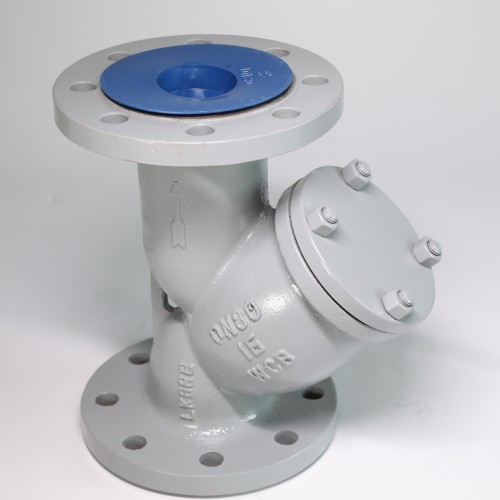
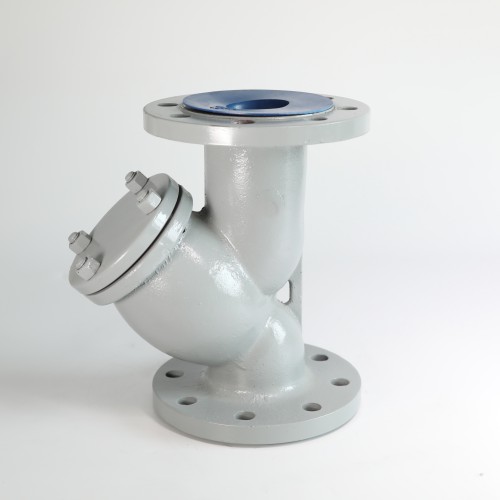
GL41H-16/16Q WCB Flanged Y Type Strainer: field notes from the line
I’ve walked enough boiler rooms to know: debris is relentless. That’s why the GL41H-16/16Q WCB flanged unit from Baoding (yes, the one made in North Guzhuangying Village, Ansu Town, Xushui District, Baoding City, Hebei, China) keeps popping up in my notebook. It’s not flashy. It just works—even when steam is hot, water’s murky, and maintenance windows are… optimistic.

What’s trending (and why it matters)
Plants are standardizing on flanged Y Type Strainer footprints to cut downtime, and specifying WCB bodies for thermal stability. I’m also seeing a push for higher open-area screens (to reduce pressure drop) and predictable testing to recognized standards—API 598 and ISO 5208 keep showing up on RFQs.
Core specs at a glance
| Model | GL41H-16/16Q |
| Body material | WCB (ASTM A216), optional gray cast iron or nodular cast iron |
| Size range | DN15–DN500 |
| Pressure rating | PN10–PN16 (1.0–1.6 MPa) |
| Media & temp | Steam, water, oil ≤1.0 MPa; temperature ≤425°C |
| Connection | Flange (GB/T 9113, EN 1092-1 or ASME B16.5 on request) |
| Screen | SS304/316; 20–200 mesh; open area ≈2–3× pipe area (real-world use may vary) |
| Drain/clean-out | Blow-off plug or valve (BSP/NPT) |
How it’s made (quick process flow)
Materials are batch-traced WCB or iron castings; machining centers finish flanges to spec; screens are laser-cut and seam-welded. Seats and covers are lapped to reduce leakage. Every unit gets pressure testing—shell and seat—before paint. Coating is typically epoxy around ≥80 μm. Service life? I’d say 8–10 years in typical water duty if you actually clean the basket; harsher steam can be less, naturally.
Testing, standards, and data
- Hydrostatic shell: 2.4 MPa for PN16; duration per ISO 5208, water at 20±5°C.
- Seat/leak: 1.76 MPa per API 598 / GB/T 13927; zero visible leakage.
- Screen integrity: sample burst tests >4.0 MPa (DN50, 80-mesh); this is indicative, not a guarantee for all meshes.
- Certs: ISO 9001 factory QA; material certs (EN 10204 3.1) available on request.
Where it fits
Boiler houses, district heating loops, pump protection upstream, compressed air (dry), oil distribution skids, and chilled water lines. Many customers say the compact Y Type Strainer orientation helps where basket strainers won’t physically fit.
Vendor snapshot (informal comparison)
| Vendor | Lead time ≈ | Certs/Standards | Customization | Notes |
|---|---|---|---|---|
| HBYS Valves (Baoding) | 2–4 weeks | ISO 9001; API 598/ISO 5208 tests | Mesh, coating, flange drilling | Factory-direct pricing |
| Regional trader | 3–6 weeks | Varies; often ISO 9001 | Limited | Good for small MOQs |
| Global brand | 6–10 weeks | PED/CE; broad standards | High | Price premium |
Customization tips
Ask for differential-pressure ports, magnetic inserts for fine ferrous capture, and a blow-off valve preinstalled. For seawater, spec 316 screen and consider epoxy + PU topcoat. If you’re pushing oil at higher viscosity, a lower mesh (say 40–60) often avoids nuisance ΔP alarms.
Two quick case notes
- District heating retrofit, DN150, PN16: switching to this Y Type Strainer with 80-mesh cut pump seal swaps by ≈40% season-over-season; average clean-out ΔP stabilized around 0.02–0.03 MPa.
- Heat-treatment plant, quench oil line, DN50: custom 60-mesh with blow-down port reduced line fouling; maintenance team reported 20–30 minutes saved per shutdown, which adds up fast.
Final thought—honestly, the hardware is the easy part. The win is in specifying the right mesh and planning a clean-out routine. Do that, and this compact workhorse will quietly protect your valves, pumps, and meters for years.
Authoritative citations
- API Standard 598: Valve Inspection and Testing, American Petroleum Institute.
- ISO 5208:2023 Industrial valves — Pressure testing of metallic valves, International Organization for Standardization.
- EN 1092-1:2018 Flanges and their joints — Circular flanges for pipes, valves, fittings, and accessories, CEN.
- GB/T 13927: Industrial valves—Pressure testing of valves, Standardization Administration of China.
-
Comprehensive Guide to China Pipe Laterals Fittings for Global Trade ApplicationsȘtiriFeb.24,2026
-
China Extended Body Gate Valves A Comprehensive Guide To Selection And ApplicationȘtiriFeb.11,2026
-
Comprehensive Guide to China 3 Inch Butterfly Valve Selection and ApplicationsȘtiriJan.30,2026
-
Comprehensive Guide to Pipe Adaptors and Fittings for Efficient SystemsȘtiriJan.28,2026
-
Comprehensive Guide to Pipe T Fittings for Plumbing and Fluid Transfer SystemsȘtiriJan.28,2026
-
Comprehensive Guide to Union Pipe Fitting Selection and ApplicationsȘtiriJan.27,2026
-
Comprehensive Guide to China Angle Globe Valves for Industrial ApplicationsȘtiriJan.27,2026
 Romanian
 Afrikaans
  Albanian
  Amharic
  Arabic
  Armenian
  Azerbaijani
  Basque
  Belarusian
  Bengali
  Bosnian
  Bulgarian
  Catalan
  Cebuano
  Croatian
  Czech
Czech  Danish
  Dutch
Dutch  English Esperanto
  Estonian
  Finnish
  French
  Frisian
  Galician
  Georgian
  German
  Greek
Greek  Gujarati
  Hebrew
  Hindi
Hindi  Hungarian
  Icelandic
  Indonesian
  Italian
  Japanese
  Kannada
  Kazakh
  Khmer
Khmer  Korean
  Kurdish
  Lao
Lao  Latvian
  Lithuanian
  Macedonian
  Malay
Malay  Malayalam
  Marathi
  Mongolian
  Myanmar
  Nepali
  Norwegian
  Pashto
  Persian
  Polish
  Portuguese
  Panjabi
  Russian
  Scottish Gaelic
  Serbian
  Sinhala
  Slovak
  Slovenian
  Spanish
  Swahili
  Swedish
  Tagalog
  Tamil
Tamil  Tatar
Tatar  Telugu
  Thai
Thai  Turkish
  Ukrainian
  Urdu
Urdu  Uighur
  Uzbek
Uzbek  Vietnamese
  Welsh
Welsh