 86-312-8695888
 86-13722963501
 info@hbysindustry.com
-
 الأفريقي
-
 الألبانية
-
 الأمهرية
-
 عربي
عربي
-
 الأرمينية
-
 أذربيجاني
-
 الباسك
-
 البيلاروسية
-
 البنغالية
-
 البوسنية
-
 البلغارية
-
 الكاتالونية
-
 السيبيونو
-
 الكورسيكية
-
 الكرواتية
-
 التشيكية
-
 دانماركي
-
 هولندي
-
 إنجليزي
-
 الاسبرانتو
-
 الإستونية
-
 الفنلندية
-
 فرنسي
فرنسي
-
 الفريزية
-
 الجاليكية
-
 الجورجية
-
 ألمانية
-
 اليونانية
-
 الغوجاراتية
-
 الكريولية الهايتية
-
 الهوسا
-
 هاواي
هاواي
-
 اللغة العبرية
-
 لا
لا
-
 مياو
مياو
-
 المجرية
-
 الأيسلندية
-
 الإيغبو
-
 الاندونيسية
-
 الأيرلندية
-
 ايطالي
-
 اليابانية
-
 الجاوية
-
 الكانادا
-
 الكازاخستانية
-
 الخمير
-
 الرواندية
-
 الكورية
-
 كردي
كردي
-
 قيرغيزستان
-
 السل
السل
-
 اللاتينية
-
 لاتفيا
-
 الليتوانية
-
 اللوكسمبرجية
-
 المقدونية
-
 Malgashi
-
 لغة الملايو
-
 المالايالامية
-
 المالطية
-
 الماوري
-
 المهاراتية
-
 المنغولية
-
 ميانمار
-
 النيبالية
-
 النرويجية
-
 النرويجية
-
 الأوكيتانية
-
 الباشتو
-
 اللغة الفارسية
-
 تلميع
تلميع
-
 البرتغالية
-
 البنجابية
-
 روماني
-
 الروسية
-
 ساموا
ساموا
-
 الغيلية الاسكتلندية
-
 الصربية
-
 إنجليزي
-
 شونا
شونا
-
 السندية
-
 السنهالية
-
 السلوفاكية
-
 السلوفينية
-
 الصومالية
-
 الأسبانية
-
 السودانية
-
 السواحلية
-
 السويدية
-
 التاغالوغية
-
 الطاجيكية
-
 التاميل
-
 التتار
-
 التيلجو
-
 التايلاندية
-
 اللغة التركية
-
 التركمان
-
 الأوكرانية
-
 الأردية
-
 الأويغور
-
 الأوزبكية
-
 الفيتنامية
-
 تهرب من دفع الرهان
-
 يساعد
يساعد
-
 اليديشية
-
 اليوروبا
-
 الزولو


Carbon Steel Forged Flanges | ASME B16.5, High-Pressure, OEM
A Field Note on Carbon Steel Forged Flanges: What’s Working, What’s Next
If you work around piping, you know the quiet heroes that hold pressure lines together. I’m talking about carbon steel forged flanges. To be honest, they rarely get credit—until a shutdown hinges on a gasket line and bolt circle that must be dead right. Lately I’ve been seeing tighter tolerances, cleaner machining, and faster lead times, even on 24–48 inch diameters. That’s not hype; it’s the market catching up to reliability.

Product Snapshot: ASME B16.5 Class 300 Forged Flange
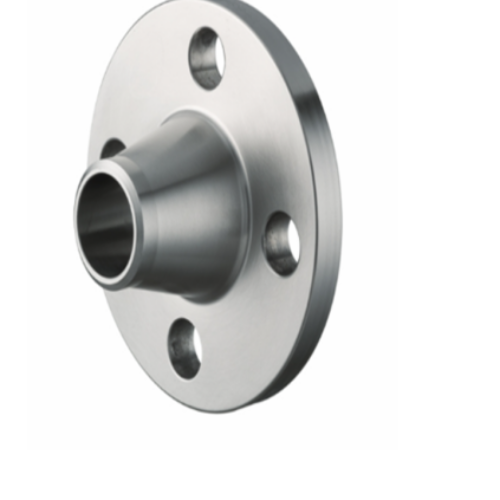
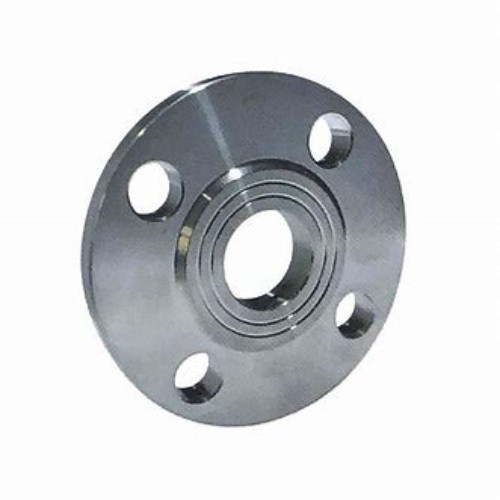
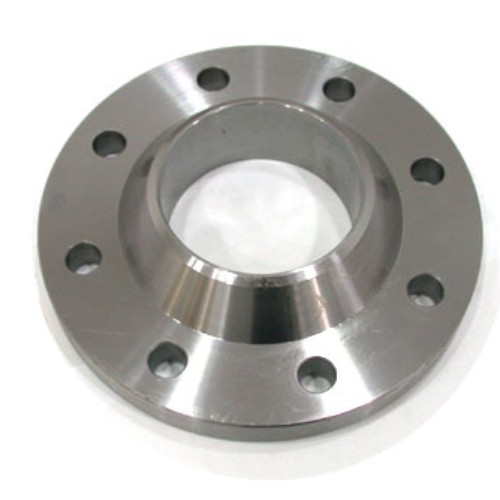
This line covers WN, Slip-On, and Blind types in CS A105/SA105N (also SS304/316 for mixed-service). Many customers say the bolt-hole alignment and face finish have been impressively consistent—surprisingly so on large sizes.
| Spec | Details (≈ real-world use may vary) |
|---|---|
| Standard | ASME/ANSI B16.5; materials to ASTM A105/SA105N |
| Pressure Classes | Class 150, 300, 600, 900 |
| Size Range | 1/2"–48" |
| Types | Welding Neck, Slip-On, Blind (RF/RTJ options) |
| Coating | Black or yellow paint; rust-proof oil |
| Docs | MTC EN 10204 3.1; hardness, PMI, UT/MT reports |
Process Flow (How They’re Actually Made)
- Materials: CS A105/SA105N billets; chemistry per ASTM A105/A105M.
- Forging: open-die or closed-die; controlled grain flow helps toughness.
- Heat Treatment: normalize/normalize-and-temper for SA105N stability.
- Machining: CNC for faces, hubs, and bores; finish Ra ≈ 3.2–6.3 μm (RF).
- NDE & QA: UT/MT, dimensional to ASME B16.5; PMI on random lots; hydro test on assemblies as required by end-user spec.
Service life? In benign utilities, 20+ years isn’t unusual. In sour or cyclic service, gasket selection, bolt stress, and media corrosion dominate outcomes. That’s where carbon steel forged flanges still beat cast alternatives: fracture toughness and bolt-up reliability.
Where They’re Used (and Why)
Oil & gas (midstream tie-ins), chemical plants, power-gen steam lines, desalination, HVAC chilled water, shipbuilding. For Class 300, I often see carbon steel forged flanges on medium-pressure process lines that need repeatable torque cycles during turnarounds.
Case Note
A Gulf Coast midstream station swapped legacy Class 300 SO flanges for SA105N WN flanges on a dehydration skid. Result: fewer gasket weeps after thermal cycles and faster alignment during outage—maintenance crew told me bolt-up felt “more forgiving.” Not scientific, but it tracks with better machining and hub rigidity.
Vendor Landscape (Quick, honest look)
Origin of the featured line: North Guzhuangying Village, Ansu Town, Xushui District, Baoding City, Hebei Province, China. Lead times have been, frankly, competitive.
| Vendor | Certs | Lead Time ≈ | MOQ | Customization | Notes |
|---|---|---|---|---|---|
| HBYS (ASME B16.5 focus) | ISO 9001; MTC 3.1 | 2–5 weeks | Flexible | Bore, facing, coating | Clean machining; fair pricing |
| Importer/Stockist | Varies | In stock–2 weeks | Carton/pallet | Limited | Fast but less customization |
| Local Machine Shop | Shop-level | Days–weeks | Small | High | Great for specials; higher cost |
Testing, Data, and Compliance
- Dimensional: ASME B16.5; gasket faces RF/RTJ qualified.
- Material: ASTM A105/SA105N; typical Brinell 137–187 HBW.
- NDE: UT to plant spec; MT on facing/radius; PMI spot-checks.
- Docs: EN 10204 3.1; optional NACE MR0175 service on request.
- Piping compatibility: ASME B31.3 design envelope; pressure-temp ratings per B16.5 tables.
Wrap-up? For mid-pressure lines, carbon steel forged flanges remain the safe, economical default—especially when you need repeatable bolt-up and traceable metallurgy without drama.
References
- ASME B16.5 – Pipe Flanges and Flanged Fittings.
- ASTM A105/A105M – Carbon Steel Forgings for Piping.
- ASME B31.3 – Process Piping.
- ISO 9001:2015 – Quality Management Systems.
- EN 10204:2004 – Metallic Products, Types of Inspection Documents.
- NACE MR0175/ISO 15156 – Materials for H2S in Oil and Gas Production.
-
Comprehensive Guide to China Pipe Laterals Fittings for Global Trade ApplicationsأخبارFeb.24,2026
-
China Extended Body Gate Valves A Comprehensive Guide To Selection And ApplicationأخبارFeb.11,2026
-
Comprehensive Guide to China 3 Inch Butterfly Valve Selection and ApplicationsأخبارJan.30,2026
-
Comprehensive Guide to Pipe Adaptors and Fittings for Efficient SystemsأخبارJan.28,2026
-
Comprehensive Guide to Pipe T Fittings for Plumbing and Fluid Transfer SystemsأخبارJan.28,2026
-
Comprehensive Guide to Union Pipe Fitting Selection and ApplicationsأخبارJan.27,2026
-
Comprehensive Guide to China Angle Globe Valves for Industrial ApplicationsأخبارJan.27,2026
 Arabic
 Afrikaans
  Albanian
  Amharic
  Armenian
  Azerbaijani
  Basque
  Belarusian
  Bengali
  Bosnian
  Bulgarian
  Catalan
  Cebuano
  Croatian
  Czech
Czech  Danish
  Dutch
Dutch  English Esperanto
  Estonian
  Finnish
  French
  Frisian
  Galician
  Georgian
  German
  Greek
Greek  Gujarati
  Hebrew
  Hindi
Hindi  Hungarian
  Icelandic
  Indonesian
  Italian
  Japanese
  Kannada
  Kazakh
  Khmer
Khmer  Korean
  Kurdish
  Lao
Lao  Latvian
  Lithuanian
  Macedonian
  Malay
Malay  Malayalam
  Marathi
  Mongolian
  Myanmar
  Nepali
  Norwegian
  Pashto
  Persian
  Polish
  Portuguese
  Panjabi
  Romanian
  Russian
  Scottish Gaelic
  Serbian
  Sinhala
  Slovak
  Slovenian
  Spanish
  Swahili
  Swedish
  Tagalog
  Tamil
Tamil  Tatar
Tatar  Telugu
  Thai
Thai  Turkish
  Ukrainian
  Urdu
Urdu  Uighur
  Uzbek
Uzbek  Vietnamese
  Welsh
Welsh