 86-312-8695888
 86-13722963501
 info@hbysindustry.com
-
 африкански
-
 албански
-
 амхарски
-
 арабски
-
 арменски
-
 азербайджански
-
 баски
баски
-
 белоруски
-
 бенгалски
-
 босненски
-
 български
-
 каталонски
-
 себуано
-
 корсикански
-
 хърватски
-
 чешки
чешки
-
 датски
-
 холандски
-
 Английски
-
 Есперанто
-
 естонски
-
 финландски
-
 Френски
-
 фризийски
-
 галисийски
-
 грузински
-
 Немски
-
 Гръцки
-
 гуджарати
-
 хаитянски креолски
-
 хауса
хауса
-
 хавайски
-
 иврит
иврит
-
 не
не
-
 Мяо
Мяо
-
 унгарски
-
 исландски
-
 игбо
игбо
-
 индонезийски
-
 ирландски
-
 Италиански
-
 японски
-
 явански
-
 каннада
-
 казахски
-
 кхмерски
-
 Руанда
-
 корейски
-
 кюрдски
-
 киргизки
-
 туберкулоза
-
 латински
-
 латвийски
-
 литовски
-
 люксембургски
-
 македонски
-
 Малгаши
-
 малайски
-
 малаялам
-
 малтийски
-
 маори
маори
-
 маратхи
-
 монголски
-
 Мианмар
-
 непалски
-
 норвежки
-
 норвежки
-
 окситански
-
 Pashto
-
 персийски
-
 полски
-
 португалски
-
 пенджабски
-
 румънски
-
 Руски
Руски
-
 самоанска
-
 шотландски келтски
-
 сръбски
-
 Английски
-
 Шона
Шона
-
 Синдхи
-
 сингалски
-
 словашки
-
 словенски
-
 сомалийски
-
 испански
-
 сундански
-
 суахили
-
 шведски
-
 тагалог
-
 таджикски
-
 тамилски
-
 татарски
-
 телугу
-
 тайландски
-
 Турски
-
 туркменски
-
 украински
-
 урду
урду
-
 уйгурски
-
 узбекски
-
 виетнамски
-
 уелски
-
 Помогне
-
 идиш
идиш
-
 йоруба
-
 зулу
зулу


Comprehensive Guide to Pipe T Fittings for Plumbing and Fluid Transfer Systems
Understanding Pipe T Fittings: A Comprehensive Guide
When undertaking any plumbing or fluid transfer project, selecting the right fittings is crucial. Pipe T fittings are among the most frequently used components, facilitating branching and directional changes in pipelines. This guide will explore the various types, materials, applications, and considerations when choosing the best T fittings for your needs. Understanding these essential components will ensure the longevity and efficiency of your systems. Whether you're a seasoned professional or a DIY enthusiast, this article offers valuable insights into the world of pipe T fittings.
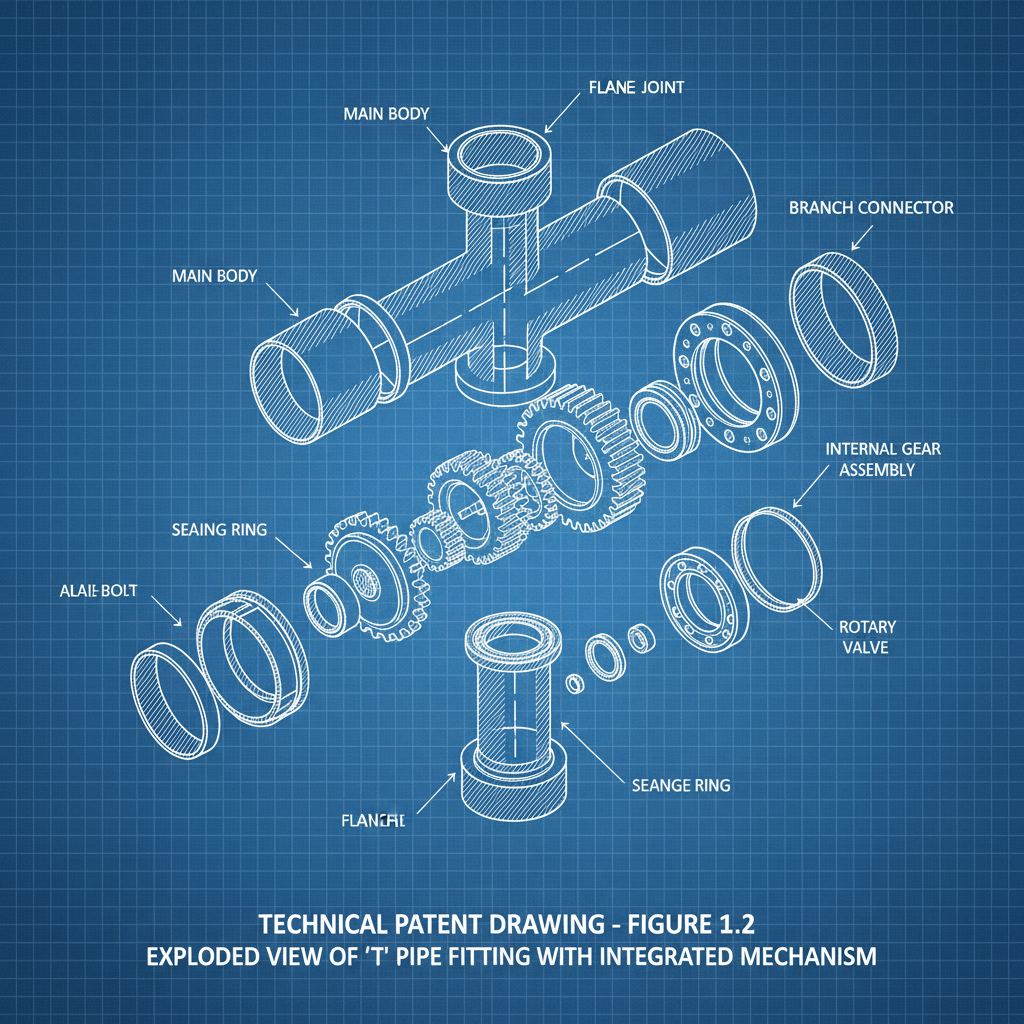
What are Pipe T Fittings and Why are They Important?
A pipe T fitting, as the name suggests, is a three-way fitting used to connect three sections of pipe together. This creates a branch in the pipeline, allowing for a change in direction or the addition of a new line. They are essential in a wide array of applications, from residential plumbing to industrial process piping. Without these fittings, constructing complex piping systems would be significantly more challenging. They ensure structural integrity and allow for efficient fluid transfer. Their versatility and relatively simple design make them a cornerstone of modern plumbing and engineering. You can find a comprehensive selection of high-quality pipe T fittings at HBYS Valves.
Key Benefits: Facilitate branching and directional changes, enhance system flexibility, and ensure secure connections.
Types of Pipe T Fittings
Pipe T fittings come in various configurations to suit different needs. Some common types include:
- Equal T Fittings: All three openings have the same diameter.
- Reducing T Fittings: Two openings have the same diameter, while the third is smaller. This allows for connecting pipes of different sizes.
- Street T Fittings: One branch is threaded, while the other two are unthreaded.
- Sanitary T Fittings: Designed for hygienic applications, with smooth interiors to minimize bacterial buildup.
The selection of the appropriate type depends on the specific requirements of the plumbing system and the materials being used.
T Fitting Variety:
• Equal T Fittings
• Reducing T Fittings
• Street T Fittings
• Sanitary T Fittings
Materials Used in Pipe T Fittings
The material of a pipe T fitting is critical, influencing its durability, corrosion resistance, and suitability for specific applications. Common materials include:
- Galvanized Steel: Offers strength and corrosion resistance, suitable for water and gas lines.
- Stainless Steel: Highly corrosion-resistant, ideal for harsh environments and hygienic applications.
- PVC (Polyvinyl Chloride): Lightweight, affordable, and resistant to many chemicals, often used for irrigation and drainage.
- CPVC (Chlorinated Polyvinyl Chloride): Similar to PVC but can withstand higher temperatures.
- Brass: Durable and corrosion-resistant, frequently used in potable water systems.
Selecting the right material ensures the long-term reliability and safety of your plumbing system.
Pipe T Fittings: A Comparative Look
Here’s a comparison of common pipe T fitting materials to help you make an informed decision:
Applications of Pipe T Fittings
Pipe T fittings find applications in numerous industries and scenarios, including:
- Residential Plumbing: Connecting water lines for faucets, showers, and toilets.
- Irrigation Systems: Creating branches for sprinkler systems and drip irrigation.
- Industrial Piping: Facilitating fluid transfer in chemical processing, manufacturing, and oil & gas industries.
- HVAC Systems: Connecting refrigerant lines and air ducts.
- Fire Sprinkler Systems: Distributing water throughout a building in case of fire.
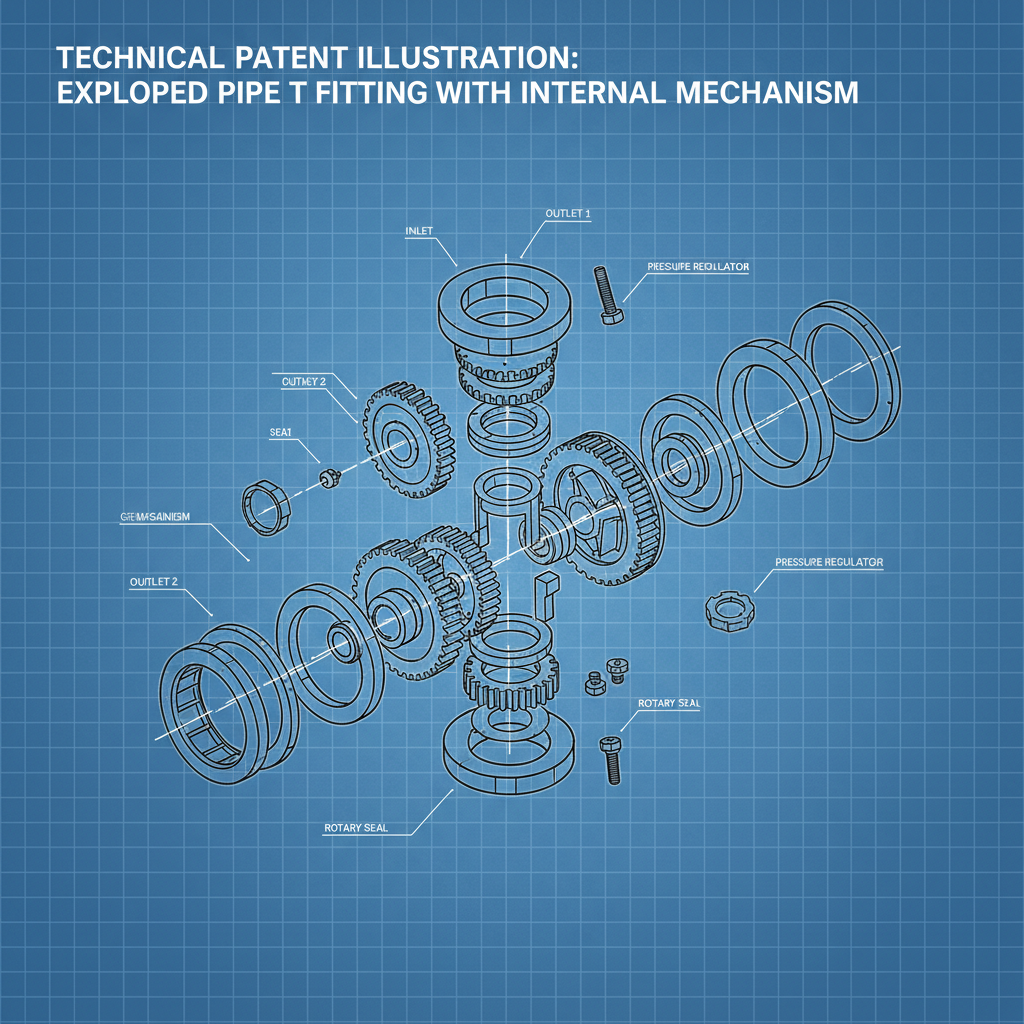
Conclusion: Selecting the Right T Fittings for Your Project
Choosing the right pipe T fittings is essential for the longevity and efficiency of any plumbing or fluid transfer system. Consider the application, the materials being conveyed, and the operating temperature and pressure to make an informed decision. HBYS Valves offers a wide range of high-quality T fittings to meet your specific needs. Investing in quality fittings ensures a reliable and leak-free system, saving you time and money in the long run.
Frequently Asked Questions (FAQs)
What is the best material for pipe T fittings in a potable water system?
For potable water systems, brass or stainless steel are generally considered the best materials. Both are durable, corrosion-resistant, and won't leach harmful chemicals into the water. PVC and CPVC are also used, but ensure they are NSF-certified for potable water applications. Galvanized steel is less common due to potential lead content and corrosion concerns. Ultimately, selecting NSF-certified materials ensures compliance with health and safety regulations.
How do I determine the correct size of a pipe T fitting?
Accurately measuring the outer diameter (OD) of the pipes you’re connecting is crucial. Pipe T fittings are sized according to the OD. It’s vital to match the fitting size to the pipe size for a secure and leak-proof connection. If you are connecting different sizes of pipe, use a reducing T fitting, and ensure it correctly corresponds to the ODs of both pipes. It's always a good practice to double-check your measurements before purchasing fittings.
What are the common causes of leaks in pipe T fittings?
Leaks in pipe T fittings often result from improper installation, incorrect sizing, or damaged threads. Ensuring pipes are properly cut and deburred before connecting is essential. Using appropriate thread sealant or Teflon tape is crucial for threaded fittings. Over-tightening or under-tightening can also cause leaks. Regularly inspect fittings for cracks or corrosion, as these can compromise the integrity of the connection. Always prioritize proper installation techniques and use high-quality fittings.
Are there specific T fittings designed for high-pressure applications?
Yes, for high-pressure applications, stainless steel or forged steel T fittings are typically recommended. These materials offer superior strength and durability to withstand elevated pressures. It's also important to ensure the fittings are rated for the specific pressure of the system. Check the manufacturer’s specifications for maximum pressure ratings and follow installation guidelines meticulously to maintain safety and prevent failures.
-
Comprehensive Guide to China Pipe Laterals Fittings for Global Trade ApplicationsНовиниFeb.24,2026
-
China Extended Body Gate Valves A Comprehensive Guide To Selection And ApplicationНовиниFeb.11,2026
-
Comprehensive Guide to China 3 Inch Butterfly Valve Selection and ApplicationsНовиниJan.30,2026
-
Comprehensive Guide to Pipe Adaptors and Fittings for Efficient SystemsНовиниJan.28,2026
-
Comprehensive Guide to Union Pipe Fitting Selection and ApplicationsНовиниJan.27,2026
-
Comprehensive Guide to China Angle Globe Valves for Industrial ApplicationsНовиниJan.27,2026
-
China 4 Inch Drainage Pipe Fittings: A Buyer's GuideНовиниJan.25,2026
 Bulgarian
 Afrikaans
  Albanian
  Amharic
  Arabic
  Armenian
  Azerbaijani
  Basque
  Belarusian
  Bengali
  Bosnian
  Catalan
  Cebuano
  Croatian
  Czech
Czech  Danish
  Dutch
Dutch  English Esperanto
  Estonian
  Finnish
  French
  Frisian
  Galician
  Georgian
  German
  Greek
Greek  Gujarati
  Hebrew
  Hindi
Hindi  Hungarian
  Icelandic
  Indonesian
  Italian
  Japanese
  Kannada
  Kazakh
  Khmer
Khmer  Korean
  Kurdish
  Lao
Lao  Latvian
  Lithuanian
  Macedonian
  Malay
Malay  Malayalam
  Marathi
  Mongolian
  Myanmar
  Nepali
  Norwegian
  Pashto
  Persian
  Polish
  Portuguese
  Panjabi
  Romanian
  Russian
  Scottish Gaelic
  Serbian
  Sinhala
  Slovak
  Slovenian
  Spanish
  Swahili
  Swedish
  Tagalog
  Tamil
Tamil  Tatar
Tatar  Telugu
  Thai
Thai  Turkish
  Ukrainian
  Urdu
Urdu  Uighur
  Uzbek
Uzbek  Vietnamese
  Welsh
Welsh