 86-312-8695888
 86-13722963501
 info@hbysindustry.com
-
 afrikalı
-
 alban
alban
-
 amhar
amhar
-
 ərəb
ərəb
-
 erməni
-
 Azərbaycan
-
 bask dili
-
 belarus
-
 benqal dili
-
 bosniyalı
-
 bolqar
-
 katalan dili
-
 Cebuano
-
 korsika
-
 xorvat
-
 çex
çex
-
 danimarka
-
 holland
-
 İngilis dili
-
 esperanto
-
 eston
eston
-
 fin
fin
-
 Fransız dili
-
 friz dili
-
 qalisian
-
 gürcü
gürcü
-
 alman
alman
-
 yunan
yunan
-
 qucarat dili
-
 Haiti Kreol
-
 hausa
hausa
-
 havaylı
-
 ivrit
ivrit
-
 Xeyr
Xeyr
-
 Miao
Miao
-
 macar
macar
-
 island
-
 igbo
igbo
-
 indoneziya dili
-
 irland
-
 italyan
-
 yapon
yapon
-
 yava dili
-
 Kannada
-
 qazax
qazax
-
 kxmer
kxmer
-
 Ruanda
-
 koreyalı
-
 kürd
kürd
-
 qırğız
-
 Vərəm
Vərəm
-
 latın
latın
-
 latış
latış
-
 litva
litva
-
 Lüksemburq
-
 makedon
-
 Malqaşi
-
 malay
malay
-
 malayalam
-
 maltalı
-
 maori
maori
-
 marati dili
-
 monqol
-
 Myanma
-
 nepal dili
-
 norveçli
-
 norveçli
-
 oksitan
-
 puştu
puştu
-
 fars
fars
-
 polyak
-
 portuqal
-
 pəncab dili
-
 rumın
rumın
-
 rus
rus
-
 samoa
samoa
-
 Şotlandiya Qael dili
-
 serb
serb
-
 İngilis dili
-
 Şona
Şona
-
 sindhi
-
 Sinhala
-
 slovak
-
 sloven
-
 Somali
-
 ispan dili
-
 sundan
-
 suahili
-
 isveçli
-
 taqaloq
-
 tacik
tacik
-
 tamil
tamil
-
 tatar
tatar
-
 teluqu dili
-
 Tay
Tay
-
 türk
türk
-
 türkmən
-
 ukraynalı
-
 Urdu
Urdu
-
 uyğur
uyğur
-
 özbək
özbək
-
 vyetnamlı
-
 uels
uels
-
 Kömək edin
-
 yəhudi dili
-
 yoruba
-
 Zulu
Zulu


Flanged Plug Valve | Full Port, API 6D, Zero Leakage
X43W/T-10 Cast Iron Flanged Plug Valve: field notes, specs, and what buyers really compare
If you’re shopping for a flanged plug valve for water or low-pressure steam, here’s the short version: simplicity still wins. The X43W/T-10 from HBYS Valves (origin: North Guzhuangying Village, Ansu Town, Xushui District, Baoding City, Hebei Province, China) is a no-drama workhorse. I’ve seen it in municipal grids and boiler rooms where teams want quarter-turn control without babysitting seats all season. Actually, that’s more common than you’d think.
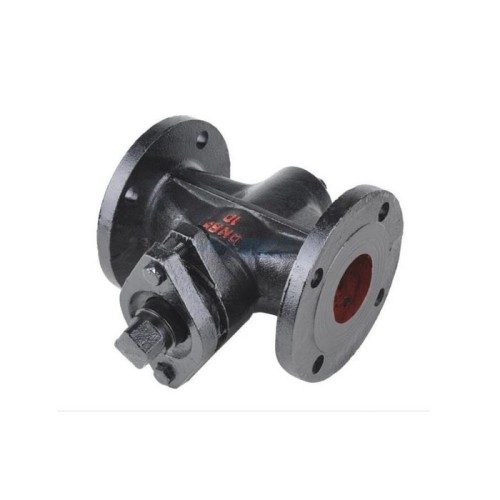
What’s moving the market
Two trends keep coming up in 2025 conversations: utilities want quarter-turn valves with lower torque and fewer gasketed leak points; and procurement teams are nervous about repair kits that take weeks. This makes the flanged plug valve—especially in cast iron for PN10/16 water and steam—feel like a safe bet. Not glamorous, but reliable. Many customers say they picked it because maintenance is predictable and installation is familiar.
Core specifications
| Parameter | X43W/T-10 (indicative) |
|---|---|
| Size range | DN20–DN500 |
| Pressure rating | PN10/PN16 (1.0–1.6 MPa) |
| Temperature | ≤120 ℃ (water, low-pressure steam) |
| Body material | Gray cast iron or nodular cast iron |
| Ends | Flanged; common drilling EN 1092-1 PN10/16 (confirm at PO) |
| Operation | Manual (handwheel/lever; gear for larger DN) |
Note: Face-to-face often aligns with GB/T 12221 or ASME B16.10 equivalents—real-world use may vary by batch. Always check the datasheet before finalizing isometrics.
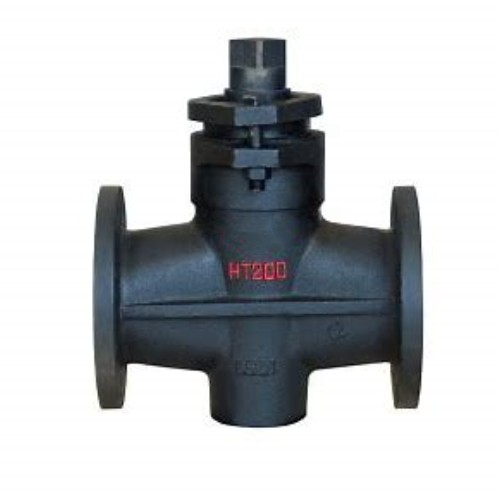
Process, testing, and service life
- Materials: cast iron body (per EN-GJL or EN-GJS grades), carbon-steel stem, plug options per order.
- Manufacture: sand casting, precision machining, plug lapping, anti-corrosion coating, hydro test.
- Hydro tests: shell ≈ 1.5× rating; seat ≈ 1.1× rating per ISO 5208 / API 598 / GB/T 13927.
- Leakage class: typically ISO 5208 Rate A–D depending on seat type; verify spec sheet.
- Expected life: ≈10–15 years in treated water; ≈10,000 open/close cycles in lab endurance (actual sites vary).
- Certifications: manufacturer ISO 9001; pressure test protocols aligned with API 598/ISO 5208.
Where it’s used (and why)
Municipal water grids, HVAC condenser loops, district heating return lines (≤120 ℃), and low-pressure steam distribution. The flanged plug valve gives quarter-turn shutoff and good throttling for coarse control—though for fine control, operators still prefer globe valves. In wastewater, the eccentric plug variant is popular; but for clean water, this classic design is usually cheaper and easier to stock.
Customization options
- Coatings: epoxy, phenolic, or zinc-rich primers for coastal exposure.
- Seat/plug: lubricated vs. sleeved designs depending on media; pick for steam carefully.
- Gear operators for DN≥200; lockable levers for safety zones.
- Gasket sets matched to EN 1092-1 PN10/16 flanges.
Vendor comparison (quick take)
| Vendor | Seat style | Body | DN range | Pressure | Lead time ≈ |
|---|---|---|---|---|---|
| HBYS X43W/T-10 | Lubricated or sleeved (per order) | Gray/Nodular CI | DN20–500 | PN10/16 | 2–5 weeks |
| Flowserve XOMOX Tufline | PTFE-sleeved | CI/DI/Steel | DN15–600 | PN10–25 | 4–8 weeks |
| DeZURIK Eccentric Plug | Eccentric plug (wastewater) | DI | DN50–1200 | PN10–25 | 6–10 weeks |
Not apples to apples, to be honest—but this is how buyers shortlist. Check flange drilling, seat type, and torque before swapping across brands.
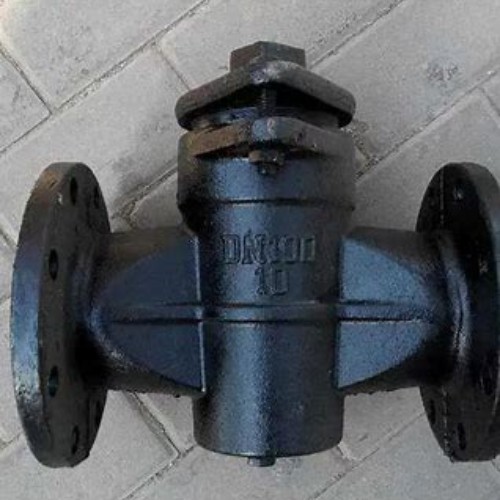
Field notes and mini case studies
- Hebei municipal loop: DN300 units on PN16 water mains. Crew liked the quarter-turn feel; torque stayed consistent after 6 months. Seat test at commissioning matched ISO 5208 Rate A.
- District heating retrofit in Eastern Europe: DN150 gear-operated flanged plug valve swapped in for old gate valves. Surprising drop in leak-by complaints, and operators appreciated the compact face-to-face during tight tie-ins.
Feedback is mostly pragmatic: “it just works,” as one maintenance lead put it. I guess that’s the point.
Testing snapshot (typical)
PN16 shell test ≈ 24 bar; seat test ≈ 17.6 bar, ambient water per API 598/ISO 5208. Documentation is usually stamped and archived with the batch—ask for the test certificate and heat numbers.
Standards to reference
-
Comprehensive Guide to China Pipe Laterals Fittings for Global Trade ApplicationsXəbərlərFeb.24,2026
-
China Extended Body Gate Valves A Comprehensive Guide To Selection And ApplicationXəbərlərFeb.11,2026
-
Comprehensive Guide to China 3 Inch Butterfly Valve Selection and ApplicationsXəbərlərJan.30,2026
-
Comprehensive Guide to Pipe Adaptors and Fittings for Efficient SystemsXəbərlərJan.28,2026
-
Comprehensive Guide to Pipe T Fittings for Plumbing and Fluid Transfer SystemsXəbərlərJan.28,2026
-
Comprehensive Guide to Union Pipe Fitting Selection and ApplicationsXəbərlərJan.27,2026
-
Comprehensive Guide to China Angle Globe Valves for Industrial ApplicationsXəbərlərJan.27,2026
 Azerbaijani
 Afrikaans
  Albanian
  Amharic
  Arabic
  Armenian
  Basque
  Belarusian
  Bengali
  Bosnian
  Bulgarian
  Catalan
  Cebuano
  Croatian
  Czech
Czech  Danish
  Dutch
Dutch  English Esperanto
  Estonian
  Finnish
  French
  Frisian
  Galician
  Georgian
  German
  Greek
Greek  Gujarati
  Hebrew
  Hindi
Hindi  Hungarian
  Icelandic
  Indonesian
  Italian
  Japanese
  Kannada
  Kazakh
  Khmer
Khmer  Korean
  Kurdish
  Lao
Lao  Latvian
  Lithuanian
  Macedonian
  Malay
Malay  Malayalam
  Marathi
  Mongolian
  Myanmar
  Nepali
  Norwegian
  Pashto
  Persian
  Polish
  Portuguese
  Panjabi
  Romanian
  Russian
  Scottish Gaelic
  Serbian
  Sinhala
  Slovak
  Slovenian
  Spanish
  Swahili
  Swedish
  Tagalog
  Tamil
Tamil  Tatar
Tatar  Telugu
  Thai
Thai  Turkish
  Ukrainian
  Urdu
Urdu  Uighur
  Uzbek
Uzbek  Vietnamese
  Welsh
Welsh