 86-312-8695888
 86-13722963501
 info@hbysindustry.com
-
 африкански
-
 албански
-
 амхарски
-
 арабски
-
 арменски
-
 азербайджански
-
 баски
баски
-
 белоруски
-
 бенгалски
-
 босненски
-
 български
-
 каталонски
-
 себуано
-
 корсикански
-
 хърватски
-
 чешки
чешки
-
 датски
-
 холандски
-
 Английски
-
 Есперанто
-
 естонски
-
 финландски
-
 Френски
-
 фризийски
-
 галисийски
-
 грузински
-
 Немски
-
 Гръцки
-
 гуджарати
-
 хаитянски креолски
-
 хауса
хауса
-
 хавайски
-
 иврит
иврит
-
 не
не
-
 Мяо
Мяо
-
 унгарски
-
 исландски
-
 игбо
игбо
-
 индонезийски
-
 ирландски
-
 Италиански
-
 японски
-
 явански
-
 каннада
-
 казахски
-
 кхмерски
-
 Руанда
-
 корейски
-
 кюрдски
-
 киргизки
-
 туберкулоза
-
 латински
-
 латвийски
-
 литовски
-
 люксембургски
-
 македонски
-
 Малгаши
-
 малайски
-
 малаялам
-
 малтийски
-
 маори
маори
-
 маратхи
-
 монголски
-
 Мианмар
-
 непалски
-
 норвежки
-
 норвежки
-
 окситански
-
 Pashto
-
 персийски
-
 полски
-
 португалски
-
 пенджабски
-
 румънски
-
 Руски
Руски
-
 самоанска
-
 шотландски келтски
-
 сръбски
-
 Английски
-
 Шона
Шона
-
 Синдхи
-
 сингалски
-
 словашки
-
 словенски
-
 сомалийски
-
 испански
-
 сундански
-
 суахили
-
 шведски
-
 тагалог
-
 таджикски
-
 тамилски
-
 татарски
-
 телугу
-
 тайландски
-
 Турски
-
 туркменски
-
 украински
-
 урду
урду
-
 уйгурски
-
 узбекски
-
 виетнамски
-
 уелски
-
 Помогне
-
 идиш
идиш
-
 йоруба
-
 зулу
зулу


Swing Check Valve: Reliable Protection Against Reverse Flow
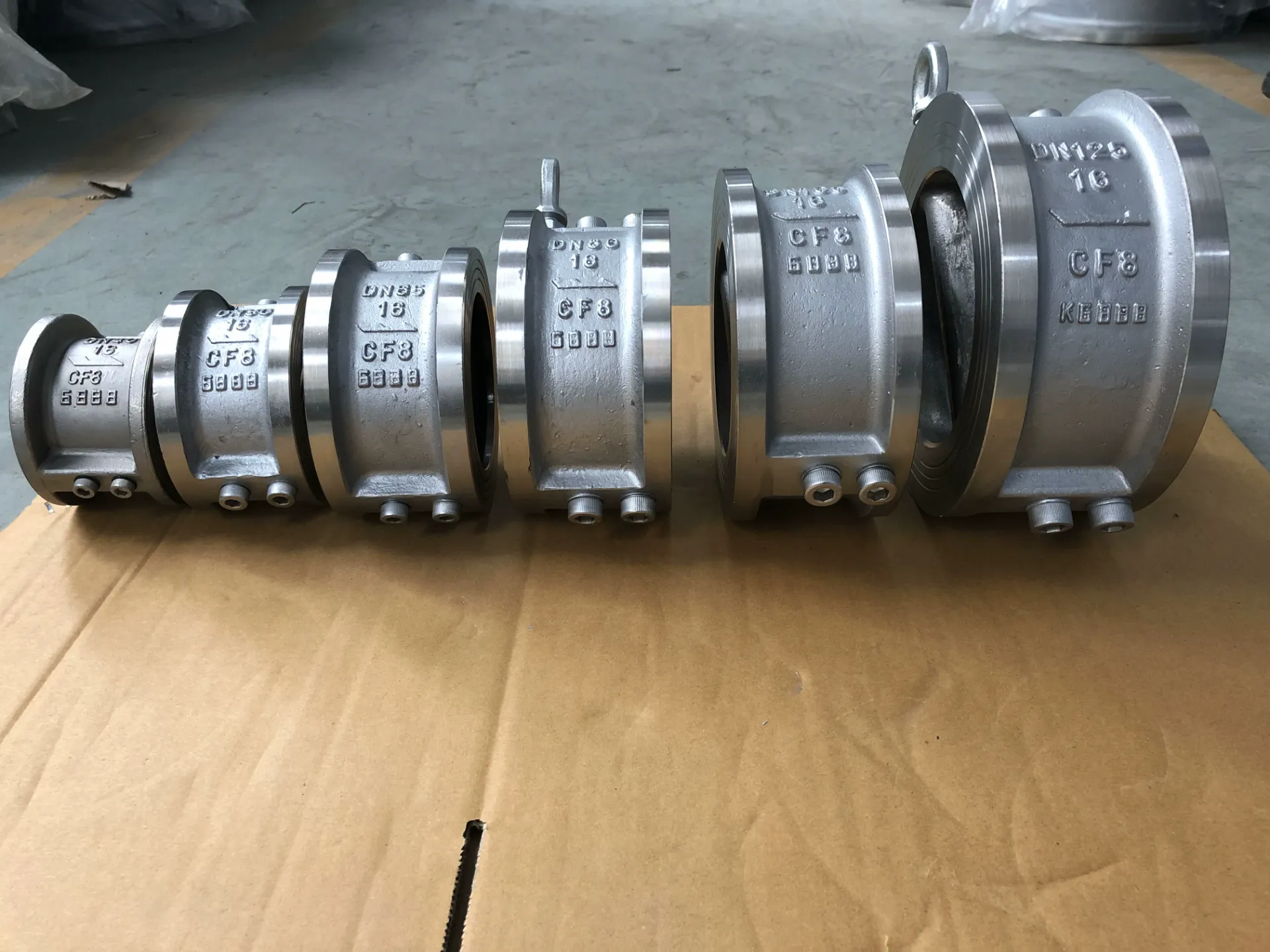
The swing check valve is an essential component in many industrial and commercial piping systems. Designed to prevent backflow, it works by allowing fluid to flow in one direction while automatically closing to prevent reverse flow when pressure drops. This makes it ideal for protecting pumps, compressors, and other sensitive equipment. The valve's ability to function automatically without manual intervention makes it a popular choice across a variety of industries.
Swing Check Valve Maintenance
Regular swing check valve maintenance is crucial for ensuring optimal performance and preventing issues such as leakage or flow disruption. Maintenance primarily involves inspecting the internal components for wear, ensuring the valve disc and seat are free from debris, and checking the hinge mechanism for smooth operation. Over time, the valve’s disc can wear out or become misaligned, which may reduce its ability to seal properly, leading to backflow or inefficiency.
Routine lubrication of moving parts and cleaning any accumulated particles in the valve are also key steps in swing check valve maintenance. Keeping a consistent maintenance schedule helps prolong the valve’s lifespan and ensures that it continues to function as intended in preventing reverse flow.
Key Swing Check Valve Parts
The swing check valve parts are designed to work harmoniously to ensure one-way flow. The most critical parts include the disc, hinge, seat, and body. The disc is the component that moves with the flow of fluid, swinging open to allow passage and swinging shut when the flow reverses. The hinge connects the disc to the body of the valve, allowing it to move freely as fluid pressure changes.
Other vital swing check valve parts include the valve seat, where the disc rests when in a closed position, creating a seal to prevent backflow. The body of the valve, typically made from materials like stainless steel or cast iron, holds these components together and provides the structural strength needed to withstand varying pressure levels. Each part plays a critical role in ensuring the valve functions efficiently and effectively.
Understanding Swing Check Valve Cracking Pressure
Swing check valve cracking pressure refers to the minimum pressure required to open the valve and allow fluid to pass through. This pressure varies depending on the design of the valve and the system in which it is installed. If the pressure in the system falls below the cracking pressure, the valve will remain closed, preventing any reverse flow.
The swing check valve cracking pressure is an important factor to consider when selecting a valve for a specific application, as choosing a valve with the wrong cracking pressure can result in inefficient performance or potential damage to the system. Ensuring that the cracking pressure aligns with the operating conditions of your system guarantees smooth, uninterrupted flow and optimal valve performance.
Swing Check Valve Suppliers: Why Choosing the Right One Matters
Selecting reliable swing check valve suppliers is essential for ensuring high-quality products and excellent support. A good supplier will offer a variety of valve sizes, materials, and specifications to suit different applications, whether for water systems, chemical processing, or oil pipelines. Trusted swing check valve suppliers also provide valuable after-sales services such as installation support, troubleshooting, and access to replacement parts.
Partnering with reputable swing check valve suppliers ensures that you receive valves that meet industry standards and are built for long-lasting durability. They will also offer warranties and provide technical assistance, ensuring your valve performs reliably in the field.
The Role of Swing Check Valves in Preventing Reverse Flow
The primary function of a swing check valve is to protect piping systems by preventing reverse flow. Whether used in water systems, sewage systems, or industrial pipelines, this valve ensures that fluid moves in the desired direction while stopping any unwanted backflow that could damage equipment or compromise system efficiency.
In contrast to other types of check valves, the swing check valve operates with minimal pressure loss, making it a preferred option for applications where maintaining fluid flow is critical. The valve's simple yet robust design allows it to function in a wide range of environments, from low-pressure water lines to high-pressure industrial processes.
Whether for preventing backflow in a municipal water system or protecting industrial equipment, the swing check valve offers a reliable solution. Its key features—such as minimal pressure loss, automatic operation, and ease of maintenance—make it a top choice for various applications. Regular swing check valve maintenance, understanding the importance of swing check valve cracking pressure, and using high-quality swing check valve parts will help extend the life and efficiency of your valve, ensuring the smooth operation of your piping system.
With the support of experienced swing check valve suppliers, you can find the right valve for your needs, ensuring safe and efficient system performance for years to come.
-
Comprehensive Guide to China Pipe Laterals Fittings for Global Trade ApplicationsНовиниFeb.24,2026
-
China Extended Body Gate Valves A Comprehensive Guide To Selection And ApplicationНовиниFeb.11,2026
-
Comprehensive Guide to China 3 Inch Butterfly Valve Selection and ApplicationsНовиниJan.30,2026
-
Comprehensive Guide to Pipe Adaptors and Fittings for Efficient SystemsНовиниJan.28,2026
-
Comprehensive Guide to Pipe T Fittings for Plumbing and Fluid Transfer SystemsНовиниJan.28,2026
-
Comprehensive Guide to Union Pipe Fitting Selection and ApplicationsНовиниJan.27,2026
-
Comprehensive Guide to China Angle Globe Valves for Industrial ApplicationsНовиниJan.27,2026
 Bulgarian
 Afrikaans
  Albanian
  Amharic
  Arabic
  Armenian
  Azerbaijani
  Basque
  Belarusian
  Bengali
  Bosnian
  Catalan
  Cebuano
  Croatian
  Czech
Czech  Danish
  Dutch
Dutch  English Esperanto
  Estonian
  Finnish
  French
  Frisian
  Galician
  Georgian
  German
  Greek
Greek  Gujarati
  Hebrew
  Hindi
Hindi  Hungarian
  Icelandic
  Indonesian
  Italian
  Japanese
  Kannada
  Kazakh
  Khmer
Khmer  Korean
  Kurdish
  Lao
Lao  Latvian
  Lithuanian
  Macedonian
  Malay
Malay  Malayalam
  Marathi
  Mongolian
  Myanmar
  Nepali
  Norwegian
  Pashto
  Persian
  Polish
  Portuguese
  Panjabi
  Romanian
  Russian
  Scottish Gaelic
  Serbian
  Sinhala
  Slovak
  Slovenian
  Spanish
  Swahili
  Swedish
  Tagalog
  Tamil
Tamil  Tatar
Tatar  Telugu
  Thai
Thai  Turkish
  Ukrainian
  Urdu
Urdu  Uighur
  Uzbek
Uzbek  Vietnamese
  Welsh
Welsh