 86-312-8695888
 86-13722963501
 info@hbysindustry.com
-
 afrikansk
-
 albansk
-
 amharisk
-
 arabisk
-
 armensk
-
 aserbajdsjansk
-
 baskisk
-
 hviderussisk
-
 bengalsk
-
 bosnisk
-
 bulgarsk
-
 catalansk
-
 Cebuano
-
 korsikansk
-
 kroatisk
-
 tjekkisk
-
 dansk
dansk
-
 hollandsk
-
 engelsk
-
 Esperanto
-
 estisk
-
 finsk
finsk
-
 fransk
-
 frisisk
-
 galicisk
-
 georgisk
-
 tysk
tysk
-
 græsk
græsk
-
 Gujarati
-
 haitisk kreol
-
 hausa
hausa
-
 hawaiiansk
-
 hebraisk
-
 Nix
Nix
-
 Miao
Miao
-
 ungarsk
-
 islandsk
-
 igbo
igbo
-
 indonesisk
-
 irsk
irsk
-
 italiensk
-
 japansk
-
 javanesisk
-
 Kannada
-
 kasakhisk
-
 Khmer
Khmer
-
 rwandisk
-
 koreansk
-
 kurdisk
-
 kirgisisk
-
 TB
TB
-
 latin
latin
-
 lettisk
-
 litauisk
-
 luxembourgsk
-
 makedonsk
-
 Malgashi
-
 malaysisk
-
 Malayalam
-
 maltesisk
-
 Maori
Maori
-
 Marathi
-
 mongolsk
-
 Myanmar
-
 nepalesisk
-
 Norsk
Norsk
-
 Norsk
Norsk
-
 occitansk
-
 Pashto
-
 persisk
-
 Polere
-
 portugisisk
-
 Punjabi
-
 rumænsk
-
 Russisk
-
 samoansk
-
 skotsk gælisk
-
 serbisk
-
 engelsk
-
 Shona
Shona
-
 Sindhi
-
 singalesiske
-
 slovakisk
-
 slovensk
-
 Somali
-
 spansk
-
 sundanesisk
-
 Swahili
-
 svensk
-
 Tagalog
-
 tadsjikisk
-
 Tamil
Tamil
-
 tatarisk
-
 Telugu
-
 Thai
Thai
-
 tyrkisk
-
 turkmenske
-
 ukrainsk
-
 Urdu
Urdu
-
 Uighur
-
 usbekisk
-
 vietnamesisk
-
 walisisk
-
 Hjælp
Hjælp
-
 Jiddisch
-
 Yoruba
-
 Zulu
Zulu


Carbon Steel Forged Flanges – ASME B16.5, Fast Delivery
If you spend enough time around pipe shops and refineries (guilty), you learn that reliability often hinges on seemingly simple parts. Exhibit A: carbon steel forged flanges. Not glamorous, but they hold pressure, align pipe, and save downtime when they’re specified right. I was just in Hebei recently—the factory floor hums, the ring rollers glow, and the QC guys never stop measuring.

What’s trending (and what buyers quietly ask for)
Supply chains are settling, but traceability is the new must-have. Many customers say they won’t touch flanges without full MTRs, heat numbers, and NDE records. Hydrogen-ready sealing faces, better coatings for brine service, and RTJ for higher pressures are all in demand. And yes—shorter lead times. Always.
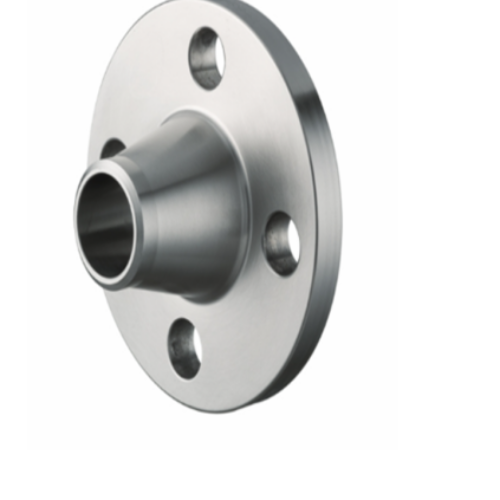
Product snapshot: ASME B16.5 Class 300 Forged Flange
Origin: North Guzhuangying Village, Ansu Town, Xushui District, Baoding City, Hebei Province, China. To be honest, that region has become a quiet powerhouse for forged components.
| Spec | Details |
|---|---|
| Standard | ANSI/ASME B16.5 (CL 150/300/600/900) |
| Sizes | 1/2"–48" (≈ DN15–DN1200) |
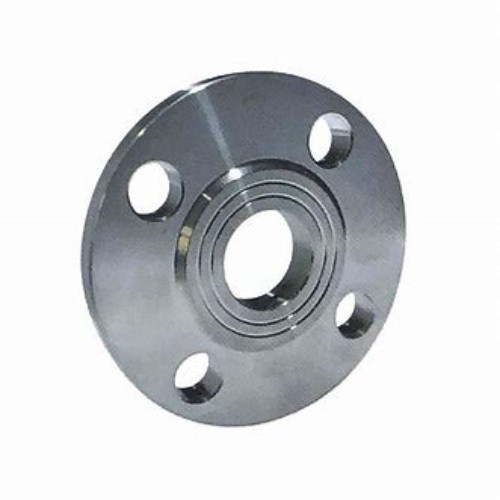
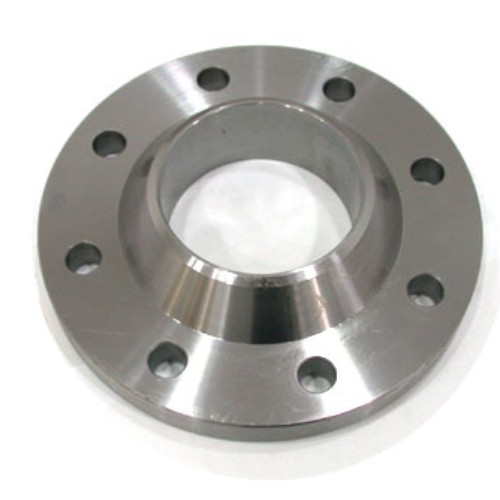
| Types | Welding Neck, Slip-On, Blind; RF/RTJ faces |
| Materials | CS A105/SA105N; SS 304/304L, 316/316L |
| Coating | Black/yellow paint; rust‑proof oil |
| Testing | Dimensional per B16.5; hydrostatic ≈1.5× rating; UT/MT as ordered |
| Service temp (CS) | Around −29°C to 425°C (real‑world use may vary by code and media) |
How they’re made (quick but practical)
Materials: ASTM A105/SA105N billets. Methods: open-die/closed-die forging or ring rolling; normalizing or Q&T as required; CNC machining; serrated facing. Testing: PMI, hardness, UT/MT, hydrotest per ASME practices, dimensional audits. Documentation: MTRs with heat/lot traceability. In fact, the better shops run final gauge checks on every bore and bolt circle.
Where they’re used
Oil & gas gathering lines, chemical plants (non-sour to mildly sour with NACE compliance), power generation balance-of-plant, shipbuilding, water and fire protection. With carbon steel forged flanges, the sweet spot is general service at moderate temperatures and pressures.
Vendor snapshot (real differences show up in QA)
| Vendor | Certs | Tolerance (typ.) | Lead Time | Customization |
|---|---|---|---|---|
| HBYS (Hebei) | ISO 9001; B16.5; NACE on request | Bore ±0.25 mm ≈; BCD ±0.3 mm | 2–4 weeks (stock for CL300 common sizes) | Non‑std drilling, RTJ, coatings |
| Vendor M | ISO 9001 | Bore ±0.4 mm ≈ | 4–6 weeks | Limited options |
| Vendor G | — | Bore ±0.5 mm ≈ | 6–8 weeks | Standard only |
Customization and compliance
Options include RTJ grooves, orifice flanges, special drill templates, raised face serration depth, and NACE MR0175/ISO 15156 material selection for sour service. For stainless pairs, PMI is wise. For carbon steel forged flanges, SA105N normalization often improves toughness and consistency.
Field notes (short case)
Middle East pipeline tie-in, CL300 RF WN, 8", A105N. Hydrotested at ≈1.5× MAWP for 10 minutes—no visible leaks. After 9 months, operators reported zero bolt re-torque events. One foreman joked, “boring is good” for flanges. I guess that’s the point.
Service life and maintenance
In typical utility and process duties, expect 20–30 years if corrosion is managed (coatings, gasket selection, proper torque). Always align piping, use calibrated torque tools, and follow ASME PCC-1 bolt-up guidance—small steps, big payoff.
Citations
- ASME B16.5 – Pipe Flanges and Flanged Fittings.
- ASTM A105/A105M – Standard Specification for Carbon Steel Forgings.
- ISO 9001 – Quality Management Systems.
- NACE MR0175/ISO 15156 – Materials for H2S-containing environments.
- MSS SP-44 – Steel Pipeline Flanges; ASME B16.47 – Large Diameter Steel Flanges.
-
Comprehensive Guide to China Pipe Laterals Fittings for Global Trade ApplicationsNyhederFeb.24,2026
-
China Extended Body Gate Valves A Comprehensive Guide To Selection And ApplicationNyhederFeb.11,2026
-
Comprehensive Guide to China 3 Inch Butterfly Valve Selection and ApplicationsNyhederJan.30,2026
-
Comprehensive Guide to Pipe Adaptors and Fittings for Efficient SystemsNyhederJan.28,2026
-
Comprehensive Guide to Pipe T Fittings for Plumbing and Fluid Transfer SystemsNyhederJan.28,2026
-
Comprehensive Guide to Union Pipe Fitting Selection and ApplicationsNyhederJan.27,2026
-
Comprehensive Guide to China Angle Globe Valves for Industrial ApplicationsNyhederJan.27,2026
 Danish
 Afrikaans
  Albanian
  Amharic
  Arabic
  Armenian
  Azerbaijani
  Basque
  Belarusian
  Bengali
  Bosnian
  Bulgarian
  Catalan
  Cebuano
  Croatian
  Czech
Czech  Dutch
Dutch  English Esperanto
  Estonian
  Finnish
  French
  Frisian
  Galician
  Georgian
  German
  Greek
Greek  Gujarati
  Hebrew
  Hindi
Hindi  Hungarian
  Icelandic
  Indonesian
  Italian
  Japanese
  Kannada
  Kazakh
  Khmer
Khmer  Korean
  Kurdish
  Lao
Lao  Latvian
  Lithuanian
  Macedonian
  Malay
Malay  Malayalam
  Marathi
  Mongolian
  Myanmar
  Nepali
  Norwegian
  Pashto
  Persian
  Polish
  Portuguese
  Panjabi
  Romanian
  Russian
  Scottish Gaelic
  Serbian
  Sinhala
  Slovak
  Slovenian
  Spanish
  Swahili
  Swedish
  Tagalog
  Tamil
Tamil  Tatar
Tatar  Telugu
  Thai
Thai  Turkish
  Ukrainian
  Urdu
Urdu  Uighur
  Uzbek
Uzbek  Vietnamese
  Welsh
Welsh