 86-312-8695888
 86-13722963501
 info@hbysindustry.com
-
 afrikarra
-
 Albaniarra
-
 Amharikoa
-
 arabiera
-
 armeniarra
-
 Azerbaijangoa
-
 euskara
-
 bielorrusiera
-
 bengalera
-
 bosniarra
-
 bulgariera
-
 katalana
-
 Cebuano
-
 Korsikera
-
 kroaziera
-
 Txekiar
-
 Danimarka
-
 holandarra
-
 ingelesa
-
 esperantoa
-
 Estoniarra
-
 Finlandiera
-
 frantsesa
-
 frisiera
-
 galegoa
-
 georgiarra
-
 alemana
-
 grekoa
-
 gujaratera
-
 Haitiko kreolera
-
 hausa
hausa
-
 hawaiarra
-
 hebreera
-
 Ezetz
Ezetz
-
 Miao
Miao
-
 hungariera
-
 islandiera
-
 igbo
igbo
-
 Indonesian
-
 irlandera
-
 italiarra
-
 japoniarra
-
 javera
-
 Kannada
-
 kazakh
-
 Khmer
Khmer
-
 Ruanda
-
 Korean
-
 kurduera
-
 kirgizera
-
 TB
TB
-
 latina
-
 letoniera
-
 Lituaniera
-
 Luxenburgera
-
 Mazedoniera
-
 Malgashi
-
 malaysiera
-
 malayalamera
-
 maltera
-
 maoria
-
 Marathia
-
 Mongoliera
-
 Myanmar
-
 Nepaliarra
-
 Norvegiara
-
 Norvegiara
-
 okzitaniera
-
 Paxtuera
-
 pertsiera
-
 poloniarra
-
 portugesa
-
 punjabera
-
 errumaniera
-
 errusiera
-
 samoarra
-
 Eskoziako gaelikoa
-
 serbiarra
-
 ingelesa
-
 Shona
Shona
-
 Sindhia
-
 Sinhalera
-
 eslovakiera
-
 Esloveniera
-
 somaliera
-
 gaztelania
-
 Sundanera
-
 Swahilia
-
 Suediera
-
 Tagalog
-
 Tajik
Tajik
-
 Tamila
-
 tatariarra
-
 Telugu
-
 thailandiera
-
 turkiera
-
 Turkmenera
-
 Ukrainara
-
 Urdu
Urdu
-
 uigurrera
-
 uzbekera
-
 Vietnamera
-
 galesera
-
 Laguntza
-
 Jiddisha
-
 Yoruba
-
 Zulua
Zulua


Premium Gas Ball Valves: Safe & Reliable Flow Control
Current Industry Trends in Gas Ball Valve Technology
The global energy sector is undergoing significant transformation, driven by increasing demand for natural gas as a cleaner alternative to traditional fossil fuels. This shift places a critical emphasis on the reliability and efficiency of pipeline infrastructure, where flow control components like gas ball valves play a pivotal role. Current trends indicate a strong focus on advanced materials, enhanced safety features, and smart valve technologies for predictive maintenance and remote operation.
Manufacturers are increasingly adopting digitalization to optimize design and production, leading to more robust and higher-performing valves. The integration of IoT sensors for real-time monitoring of pressure, temperature, and leakage detection is becoming standard in critical applications, particularly in large-scale natural gas transmission and distribution networks. Furthermore, there's a growing demand for valves capable of operating under extreme conditions—high pressure, high temperature, and corrosive media—which necessitates innovative material science and precision engineering.
Environmental regulations are also a significant driver, pushing for zero-leakage designs and fugitive emission reduction. This directly impacts the sealing technology and material selection for gas ball valves, requiring compliance with stringent standards such as ISO 15848-1. The market is also seeing a rise in demand for welded body designs, which offer superior integrity and eliminate potential leak paths compared to bolted body constructions, particularly for buried pipelines and subsea applications where maintenance access is challenging and operational safety is paramount.
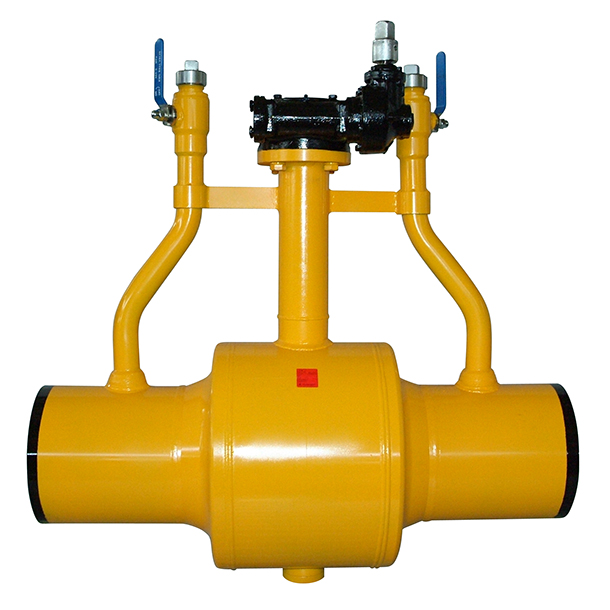
This technological evolution ensures that modern natural gas ball valve solutions are not only compliant with the latest safety and environmental protocols but also contribute significantly to operational efficiency and cost-effectiveness across the energy value chain.
Technical Specifications and Performance Parameters of Gas Ball Valves
The performance and reliability of gas ball valves are defined by a comprehensive set of technical specifications, crucial for ensuring their suitability for demanding oil and gas applications. These parameters dictate the valve's ability to withstand specific operational conditions, maintain tight shut-off, and offer extended service life. Key specifications include nominal diameter (DN), pressure rating (PN/Class), material composition, temperature range, and connection type.
For the DN 15-800mm Oil And Gas Welded Ball Valve, often used as an oil and gas ball valve, critical design and operational parameters are meticulously engineered. This ensures compliance with international standards such as API 6D, ASME B16.34, ISO 14313, and EN 12516, which govern pipeline valves, steel valves, petroleum and natural gas industries, and industrial valves respectively. Understanding these parameters is essential for engineers and procurement specialists to select the optimal valve for their specific infrastructure needs.
Typical Specification Table for High-Performance Gas Ball Valves
These specifications ensure that oil and gas ball valves are not only compliant with the most rigorous industry benchmarks but are also engineered for maximum operational safety, efficiency, and longevity in critical energy infrastructures.
The Advanced Manufacturing Process of High-Integrity Gas Ball Valves
The production of reliable gas ball valves is a sophisticated process requiring stringent quality control at every stage, from raw material selection to final assembly and testing. This meticulous approach ensures that each valve meets demanding performance criteria for industries such as petrochemical, natural gas transmission, power generation, and water supply & drainage. The manufacturing process is designed to achieve maximum durability, leak-tightness, and operational efficiency, contributing to an extended service life often exceeding 25-30 years in typical applications.
Key Manufacturing Stages:
- 1. Material Selection and Preparation: This critical initial step involves selecting high-grade raw materials such as forged carbon steel (e.g., ASTM A105, A350 LF2) or stainless steel (e.g., ASTM A182 F316), chosen for their specific mechanical properties, corrosion resistance, and suitability for the intended operating environment. Materials are rigorously tested for chemical composition and mechanical strength according to ASTM standards to ensure compliance and traceability.
- 2. Forging or Casting of Body and End Pieces:
- Forging: For critical applications requiring maximum strength and integrity, valve bodies and end pieces are hot-forged. This process improves grain structure, eliminating porosity and defects, and enhancing fatigue resistance. Forged valves are typically preferred for high-pressure natural gas ball valve applications.
- Casting: For larger diameter valves or less demanding pressure classes, high-quality casting processes are employed. Advanced casting techniques minimize internal defects, followed by extensive non-destructive testing (NDT) such as X-ray and ultrasonic inspections to ensure structural integrity.
- 3. CNC Machining: Precision is paramount. Components like the ball, stem, and seat rings undergo multi-axis CNC (Computer Numerical Control) machining. This ensures exact tolerances, superior surface finishes, and perfect concentricity, which are vital for achieving bubble-tight shut-off and low operating torque in oil and gas ball valves.
- 4. Welding Process (for Welded Ball Valves): For the DN 15-800mm Oil And Gas Welded Ball Valve, the body and end pieces are meticulously welded together using advanced automatic welding techniques (e.g., Submerged Arc Welding, TIG/MIG). This creates a homogeneous, fully welded body that eliminates potential leak paths inherent in bolted designs, offering superior reliability, especially for buried or subsea pipelines. All welds are subject to rigorous NDT, including radiography and ultrasonic testing, conforming to ASME B31.3 and API 1104.
- 5. Heat Treatment: Post-machining and welding, components may undergo heat treatment (e.g., normalization, quenching and tempering) to relieve internal stresses, optimize material hardness, and enhance mechanical properties, ensuring long-term performance and resistance to embrittlement.
- 6. Surface Treatment and Coating: Critical components, such as the ball and seat, may receive specialized coatings like Tungsten Carbide (WC) or Chromium Carbide (CrC) through HVOF (High Velocity Oxygen Fuel) spraying. These coatings provide superior wear resistance, hardness, and corrosion protection, extending the valve's life in abrasive or corrosive environments.
- 7. Assembly: Cleanroom conditions are often maintained during assembly to prevent contamination. Skilled technicians assemble the valve, integrating components like the ball, stem, seats, and packing, ensuring correct orientation and torquing of fasteners.
- 8. Testing and Quality Assurance: This is a multi-stage process:
- Hydrostatic Shell Test: Tests the body's integrity under pressure (e.g., 1.5 times the valve's rated pressure, per API 6D).
- High-Pressure Gas Seat Test: Performed with inert gas (e.g., nitrogen) to detect even minute leaks across the seats, ensuring bubble-tight shut-off (e.g., API 6D, ISO 5208 Rate A).
- Low-Pressure Gas Seat Test: Confirms seal integrity at lower pressures.
- Fugitive Emissions Testing: Measures leakage through stem packing and body joints, compliant with ISO 15848-1, crucial for environmental protection.
- Fire Safe Testing: For valves designated fire-safe, testing confirms integrity after exposure to fire, according to API 6FA or API 607.
- Cycling and Torque Testing: Verifies operational smoothness and required torque for actuation.
- 9. Painting, Packing, and Dispatch: After successful testing, valves are coated with industrial-grade paint for corrosion protection, carefully packed to prevent damage during transit, and dispatched with full documentation including material certificates and test reports.

This rigorous process flow, adhering to international standards like ISO 9001 for quality management and ISO 14001 for environmental management, ensures that each gas ball valve delivered offers unparalleled performance, safety, and longevity in critical B2B applications, demonstrating significant advantages in energy saving through minimal pressure drop and exceptional corrosion resistance due to advanced material selection and coatings.
Versatile Application Scenarios for Gas Ball Valves
Gas ball valves are indispensable components across a multitude of industries where reliable flow control of gaseous media is critical. Their robust design, tight shut-off capabilities, and quarter-turn operation make them ideal for diverse applications, ranging from high-pressure natural gas transmission to precision control in industrial processes. Understanding these varied applications helps in appreciating the engineering versatility and importance of these valves.
Key Application Areas:
- Natural Gas Transmission and Distribution: This is perhaps the most significant application. Large-diameter, high-pressure welded natural gas ball valves are used in main transmission lines, compressor stations, and city gate stations. Their full-bore design minimizes pressure drop, ensuring efficient gas flow over long distances. The welded body design is particularly favored for buried pipelines due to its superior integrity and reduced risk of external leakage.
- Oil and Gas Gathering and Processing: In upstream and midstream operations, oil and gas ball valves are deployed in wellhead manifolds, crude oil and gas separation plants, and gas processing facilities. They handle raw natural gas, refined products, and various process fluids, often containing corrosive elements like H2S and CO2, requiring NACE MR0175 compliant materials.
- Petrochemical and Chemical Industries: These industries utilize ball valves for controlling various chemicals, including flammable and toxic gases. The quick shut-off capability is crucial for safety, while material compatibility ensures resistance to aggressive media and prevention of contamination.
- Power Generation: Gas ball valves are employed in natural gas-fired power plants for fuel gas supply lines, turbine bypass systems, and cooling water circuits. Reliability under high thermal and pressure cycling is a key requirement.
- Industrial Utilities and HVAC: For smaller diameters, ball valves manage utility gases, compressed air, and even water/steam lines within industrial facilities, factories, and commercial buildings due to their compact design and ease of operation.
- Water Supply and Drainage: Although less common for gas-specific valves, general-purpose ball valves (similar construction principles) are used in water treatment and distribution systems, especially for isolating sections for maintenance.
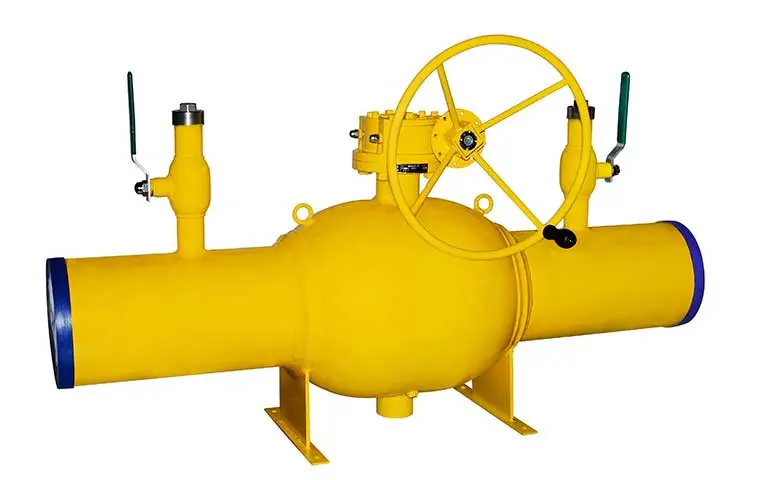
In each scenario, the specific design features—such as metal seats for high temperature, soft seats for absolute tight shut-off, or specific coatings for corrosive media—are tailored to optimize performance and longevity, underscoring the adaptability of advanced gas ball valves.
Technical Advantages of Modern Gas Ball Valves
Modern gas ball valves offer a compelling array of technical advantages that contribute to their widespread adoption in critical industrial applications. These benefits translate directly into enhanced operational safety, reduced maintenance costs, and improved system efficiency, making them a preferred choice for B2B stakeholders.
- Superior Leakage Prevention (Zero Fugitive Emissions): Designed and tested to ISO 15848-1 and API 622, advanced packing systems and precision-machined components significantly reduce fugitive emissions. This is crucial for environmental compliance and safety, especially with hazardous gases like natural gas, offering a substantial advantage over traditional valve designs.
- Full Bore Design for Minimal Pressure Drop: Many gas ball valves feature a full-bore design, meaning the internal diameter matches the pipeline. This minimizes flow restriction, leading to negligible pressure drop and reduced energy consumption for pumping/compression, resulting in energy savings.
- Quick Quarter-Turn Operation: The 90-degree turn from fully open to fully closed allows for rapid shut-off or opening. This feature is critical for emergency response systems and for applications requiring quick cycle times, enhancing operational safety and responsiveness.
- Bi-directional Flow Capability: Most ball valves are inherently bi-directional, simplifying installation and reducing the risk of incorrect orientation, offering flexibility in pipeline design.
- High Durability and Long Service Life: Constructed from robust materials like forged carbon steel, stainless steel, and specialty alloys, and often incorporating advanced coatings, these valves are built for longevity. A well-maintained natural gas ball valve can reliably perform for decades, even in harsh environments.
- Fire-Safe Design (API 6FA / API 607): In industries handling flammable gases, fire-safe certification is paramount. These valves are engineered with secondary metal-to-metal seating that maintains seal integrity even if soft seats are compromised by fire, preventing external leakage.
- Ease of Automation: The quarter-turn characteristic makes ball valves highly suitable for automation with pneumatic, electric, or hydraulic actuators, enabling remote control and integration into SCADA systems for enhanced operational control and safety.
- Corrosion Resistance: Selection of appropriate body and trim materials (e.g., stainless steel, duplex alloys) along with specialized internal and external coatings provides excellent resistance to corrosive media and environmental degradation, critical for the longevity of an oil and gas ball valve.
These combined advantages underscore why high-performance gas ball valves are fundamental to the integrity and efficiency of modern industrial and energy infrastructure.
Vendor Comparison: Selecting the Right Gas Ball Valve Supplier
Choosing the right supplier for gas ball valves is as crucial as selecting the valve itself. A reputable vendor offers not just quality products but also comprehensive technical support, reliable lead times, and robust after-sales service. This comparison focuses on key factors that differentiate top-tier manufacturers in the market, providing insights for informed decision-making by B2B clients.
Key Comparison Factors for Gas Ball Valve Manufacturers:
When evaluating suppliers for an oil and gas ball valve or any critical gas ball valves, prioritizing manufacturers with a strong commitment to quality, advanced manufacturing capabilities, and comprehensive customer support, such as HBYS, proves invaluable for long-term operational success and risk mitigation.
Customized Solutions for Specialized Gas Ball Valve Requirements
In the complex and often unique landscape of B2B industrial projects, off-the-shelf solutions for gas ball valves may not always suffice. Many applications require specific modifications to meet unique operational demands, environmental constraints, or integration challenges. Reputable manufacturers excel in providing tailored solutions, leveraging their engineering expertise to adapt standard designs or create entirely new valve configurations.
Customization options for natural gas ball valves can range from material upgrades for extreme temperatures or corrosive media, to specialized coatings for abrasive service, or unique actuation packages for remote and hazardous locations. For instance, in a cryogenic LNG application, a valve might require extended bonnets to keep packing glands away from the cold box, along with specific low-temperature materials like ASTM A350 LF2. Similarly, high-pressure gas injection systems may necessitate specific bore reductions, multi-port designs, or precise flow characteristics that diverge from standard offerings.
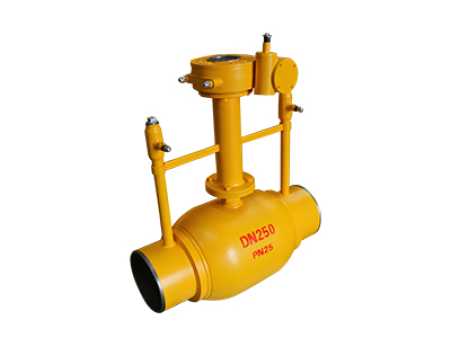
HBYS, for example, offers extensive customization capabilities for their DN 15-800mm Oil And Gas Welded Ball Valves, including:
- Material Modifications: Custom alloys for sour gas service (NACE MR0175), duplex and super duplex stainless steels for chloride corrosion, or nickel alloys for extreme chemical resistance.
- Special Coatings: Tungsten Carbide (WC), Chromium Carbide (CrC) for abrasion resistance; Electroless Nickel Plating (ENP) for surface hardening and corrosion protection.
- Extended Stem Designs: For buried service, insulated pipelines, or cryogenic applications, to elevate the actuator above ground or out of the cold box.
- Actuation & Control Systems: Integration with complex hydraulic power units (HPU), intelligent electric actuators with fieldbus communication (e.g., Modbus, Profibus), or emergency shut-down (ESD) systems.
- Special End Connections: Beyond standard flanges or butt-weld ends, including specific hub connections for compact installations.
- Pipeline Pigging Compliance: Ensuring the valve's internal bore is fully smooth and unrestricted to allow for pipeline pigging operations without obstruction.
These customized solutions ensure that even the most challenging project requirements are met with precision and adherence to international standards, underscoring the value of a flexible and experienced oil and gas ball valve manufacturer.
Application Case Studies: Real-World Performance of Gas Ball Valves
The true measure of a gas ball valve's quality and reliability lies in its performance under real-world operating conditions. These case studies highlight successful deployments, demonstrating the tangible benefits and problem-solving capabilities offered by high-performance valves in demanding industrial environments.
Case Study 1: Major Natural Gas Transmission Pipeline Upgrade
Client: A prominent national energy company in Southeast Asia.
Challenge: Replacement of aging gate valves with modern, high-integrity natural gas ball valves along a 500 km section of a crucial high-pressure (Class 600, PN 100) natural gas transmission pipeline. The primary goals were to reduce fugitive emissions, improve operational efficiency, and extend the maintenance cycle, especially for buried sections.
Solution: HBYS supplied over 75 units of DN 500 (20-inch) welded-body oil and gas ball valves with triple offset design, incorporating fully welded carbon steel bodies, API 6FA fire-safe certification, and ISO 15848-1 Class B fugitive emission rating. These valves were supplied with specialized extended stems for buried service and integrated with electric actuators for remote monitoring and control.
Outcome: Post-installation, the client reported a significant reduction in gas leakage by approximately 98% compared to the older valves, drastically improving environmental compliance and operational safety. The full-bore design contributed to a measurable energy saving by reducing pressure drop by an average of 0.5 bar across the section, leading to lower compression costs. The valves have been in continuous, maintenance-free service for over 7 years, exceeding initial reliability expectations. Client feedback highlighted the robust construction and ease of integration into their SCADA system as key successes.
Case Study 2: Offshore Platform Sour Gas Injection System
Client: A leading international offshore oil and gas producer.
Challenge: Design and supply of highly corrosion-resistant and reliable gas ball valves for a high-pressure (Class 900, PN 150) sour gas (H2S and CO2 content) injection system on an offshore platform. The environment demanded extreme material durability and absolutely zero leakage to prevent environmental contamination and ensure personnel safety.
Solution: Customized DN 200 (8-inch) welded-body gas ball valves were engineered from Duplex Stainless Steel (ASTM A182 F51) for the body and trim, compliant with NACE MR0175. The valves featured metal-to-metal seating with HVOF Tungsten Carbide coating for enhanced wear and corrosion resistance, coupled with specialized fugitive emission-certified packing. Hydraulic actuators were selected for rapid emergency shut-down capabilities.

Outcome: The customized oil and gas ball valves demonstrated exceptional resistance to the highly corrosive sour gas, with no reported internal or external leakage over 5 years of operation. The metal-seated design maintained tight shut-off even under fluctuating pressure and temperature, crucial for the integrity of the injection system. The client praised the manufacturer's engineering team for their material science expertise and ability to deliver a robust solution that exceeded the demanding specifications for offshore operations, providing peace of mind regarding safety and environmental protection.
Ensuring Trust: FAQ, Lead Times, Warranty, and Support
Building trust with B2B clients requires transparency, clear commitments, and reliable support. This section addresses common inquiries and outlines the operational assurances provided for high-quality gas ball valves, including lead times, warranty, and comprehensive after-sales services.
Frequently Asked Questions (FAQ)
Q: What is the typical service life of your welded oil and gas ball valves?
A: Our welded ball valves are designed and manufactured for a service life of 25-30 years under normal operating conditions, adhering to industry standards and recommended maintenance practices. This is significantly enhanced by our robust material selection and precision manufacturing processes.
Q: Are your natural gas ball valves compliant with fugitive emission standards?
A: Yes, all our critical service gas ball valves are designed and tested to meet or exceed ISO 15848-1 and API 622 requirements for fugitive emissions. We utilize advanced stem sealing technology and rigorous testing protocols to ensure minimal leakage.
Q: Can these valves be used in cryogenic applications?
A: Yes, we offer specialized cryogenic gas ball valves engineered with extended bonnets and specific low-temperature materials (e.g., A350 LF2) and testing for service down to -196°C, making them suitable for LNG and other ultra-cold gas applications.
Q: Do you provide custom engineering for specific project requirements?
A: Absolutely. We pride ourselves on our ability to offer bespoke solutions. Our engineering team works closely with clients to develop custom designs, material specifications, and actuation systems to meet unique operational and environmental challenges.
Lead Time and Fulfillment Details
Our lead times for gas ball valves are meticulously managed to align with project schedules. Standard valves typically have a lead time of 8-12 weeks, while highly customized or large-diameter valves may require 16-24 weeks, depending on material availability and complexity. We employ advanced production planning and maintain strategic raw material stocks to optimize delivery timelines. For critical projects, expedited manufacturing options can be discussed. All shipments are carefully packed in robust wooden crates or specialized container111s to ensure safe arrival, with full documentation including test certificates, IOM manuals, and spare parts lists.
Warranty Commitments
We stand by the quality and reliability of our products. All oil and gas ball valves, including our DN 15-800mm Oil And Gas Welded Ball Valves, come with a standard 18-month warranty from the date of shipment or 12 months from the date of installation, whichever comes first. This warranty covers manufacturing defects in materials and workmanship. Extended warranty options are available upon request and can be tailored to specific project needs, providing clients with enhanced long-term assurance.
Customer Support and After-Sales Service
Our commitment extends well beyond valve delivery. We offer comprehensive customer support designed to ensure seamless operation and longevity of our products. This includes:
- Technical Consultation: Expert engineers available for pre-sale technical advice, product selection, and application guidance.
- Installation & Commissioning Support: On-site technical assistance can be provided for complex installations or commissioning phases globally.
- Spare Parts & Maintenance: A readily available inventory of genuine spare parts and detailed maintenance guidelines to maximize operational uptime.
- Training Programs: Customized training sessions for client's operational and maintenance personnel on valve operation, troubleshooting, and preventative care.
- 24/7 Emergency Support: For critical operational issues, a dedicated emergency support line is available to provide rapid assistance.
Our dedicated team is committed to ensuring that every gas ball valve performs optimally throughout its lifecycle, supporting our clients' critical infrastructure with unwavering reliability.
References
- American Petroleum Institute. API Specification 6D: Specification for Pipeline and Piping Valves. 25th Edition.
- International Organization for Standardization. ISO 15848-1: Industrial valves - Measurement, test and qualification procedures for fugitive emissions - Part 1: Classification system and qualification procedures for type testing of valves. 2nd Edition.
- American Society of Mechanical Engineers. ASME B16.34: Valves – Flanged, Threaded, and Welding End. 2017 Edition.
- NACE International. NACE MR0175/ISO 15156: Petroleum and natural gas industries—Materials for use in H2S-containing environments in oil and gas production.
- European Committee for Standardization. EN 12516-1: Industrial valves - Shell design strength - Part 1: Tabulation method for steel valve pressure containing components. 2014 Edition.
-
Comprehensive Guide to China Pipe Laterals Fittings for Global Trade ApplicationsBerriakFeb.24,2026
-
China Extended Body Gate Valves A Comprehensive Guide To Selection And ApplicationBerriakFeb.11,2026
-
Comprehensive Guide to China 3 Inch Butterfly Valve Selection and ApplicationsBerriakJan.30,2026
-
Comprehensive Guide to Pipe Adaptors and Fittings for Efficient SystemsBerriakJan.28,2026
-
Comprehensive Guide to Pipe T Fittings for Plumbing and Fluid Transfer SystemsBerriakJan.28,2026
-
Comprehensive Guide to Union Pipe Fitting Selection and ApplicationsBerriakJan.27,2026
-
Comprehensive Guide to China Angle Globe Valves for Industrial ApplicationsBerriakJan.27,2026
 Basque
 Afrikaans
  Albanian
  Amharic
  Arabic
  Armenian
  Azerbaijani
  Belarusian
  Bengali
  Bosnian
  Bulgarian
  Catalan
  Cebuano
  Croatian
  Czech
Czech  Danish
  Dutch
Dutch  English Esperanto
  Estonian
  Finnish
  French
  Frisian
  Galician
  Georgian
  German
  Greek
Greek  Gujarati
  Hebrew
  Hindi
Hindi  Hungarian
  Icelandic
  Indonesian
  Italian
  Japanese
  Kannada
  Kazakh
  Khmer
Khmer  Korean
  Kurdish
  Lao
Lao  Latvian
  Lithuanian
  Macedonian
  Malay
Malay  Malayalam
  Marathi
  Mongolian
  Myanmar
  Nepali
  Norwegian
  Pashto
  Persian
  Polish
  Portuguese
  Panjabi
  Romanian
  Russian
  Scottish Gaelic
  Serbian
  Sinhala
  Slovak
  Slovenian
  Spanish
  Swahili
  Swedish
  Tagalog
  Tamil
Tamil  Tatar
Tatar  Telugu
  Thai
Thai  Turkish
  Ukrainian
  Urdu
Urdu  Uighur
  Uzbek
Uzbek  Vietnamese
  Welsh
Welsh