 86-312-8695888
 86-13722963501
 info@hbysindustry.com
-
 afrikkalainen
-
 albanialainen
-
 amhara
-
 arabialainen
-
 armenialainen
-
 Azerbaidžani
-
 baski
baski
-
 valkovenäläinen
-
 bengali
-
 bosnialainen
-
 bulgarialainen
-
 katalaani
-
 Cebuano
-
 Korsikalainen
-
 Kroatia
-
 Tšekki
-
 Tanskan kieli
-
 Hollannin kieli
-
 Englanti
-
 esperanto
-
 Virolainen
-
 Suomalainen
-
 Ranskan kieli
-
 friisi
-
 Galicialainen
-
 Georgian
-
 Saksan kieli
-
 kreikkalainen
-
 gudžarati
-
 Haitin kreoli
-
 hausa
hausa
-
 havaijilainen
-
 heprealainen
-
 Ei
Ei
-
 Miao
Miao
-
 Unkarin kieli
-
 islantilainen
-
 igbo
igbo
-
 Indonesialainen
-
 irlantilainen
-
 italialainen
-
 japanilainen
-
 jaavalainen
-
 kannada
-
 kazakki
-
 khmerit
-
 Ruanda
-
 Korealainen
-
 kurdi
kurdi
-
 Kirgisia
-
 TB
TB
-
 Latina
-
 Latvialainen
-
 liettualainen
-
 luxemburgilainen
-
 makedonialainen
-
 Malgashi
-
 malaiji
-
 malajalami
-
 maltalainen
-
 maori
maori
-
 marathi
-
 mongolialainen
-
 Myanmar
-
 Nepali
-
 Norjan kieli
-
 Norjan kieli
-
 Oksitaani
-
 pashto
-
 persialainen
-
 Kiillottaa
-
 Portugalin kieli
-
 Punjabi
-
 romanialainen
-
 Venäjän kieli
-
 samoalainen
-
 Skotlannin gaeli
-
 serbia
-
 Englanti
-
 Shona
Shona
-
 Sindhi
-
 sinhala
-
 Slovakian
-
 slovenialainen
-
 somali
-
 Espanja
-
 sundalainen
-
 swahili
-
 Ruotsin kieli
-
 Tagalog
-
 tadžiki
-
 tamili
-
 tatari
-
 telugu
-
 thaimaalainen
-
 turkkilainen
-
 Turkmenistan
-
 ukrainalainen
-
 urdu
urdu
-
 uiguuri
-
 uzbekki
-
 vietnam
-
 Walesin
-
 auta
auta
-
 jiddish
-
 joruba
-
 zulu
zulu


China Extended Body Gate Valves A Comprehensive Guide To Selection And Application
China Extended Body Gate Valves: A Comprehensive Guide
Extended body gate valves from China are becoming increasingly popular in industries requiring reliable flow control solutions. These valves offer several advantages, including reduced fugitive emissions, improved insulation, and ease of maintenance. This article provides a detailed overview of China extended body gate valves, covering their features, applications, materials, and key considerations for sourcing from leading manufacturers like HBYS Valves. Understanding these aspects is crucial for making informed purchasing decisions and ensuring optimal performance in your specific application.
What are Extended Body Gate Valves?
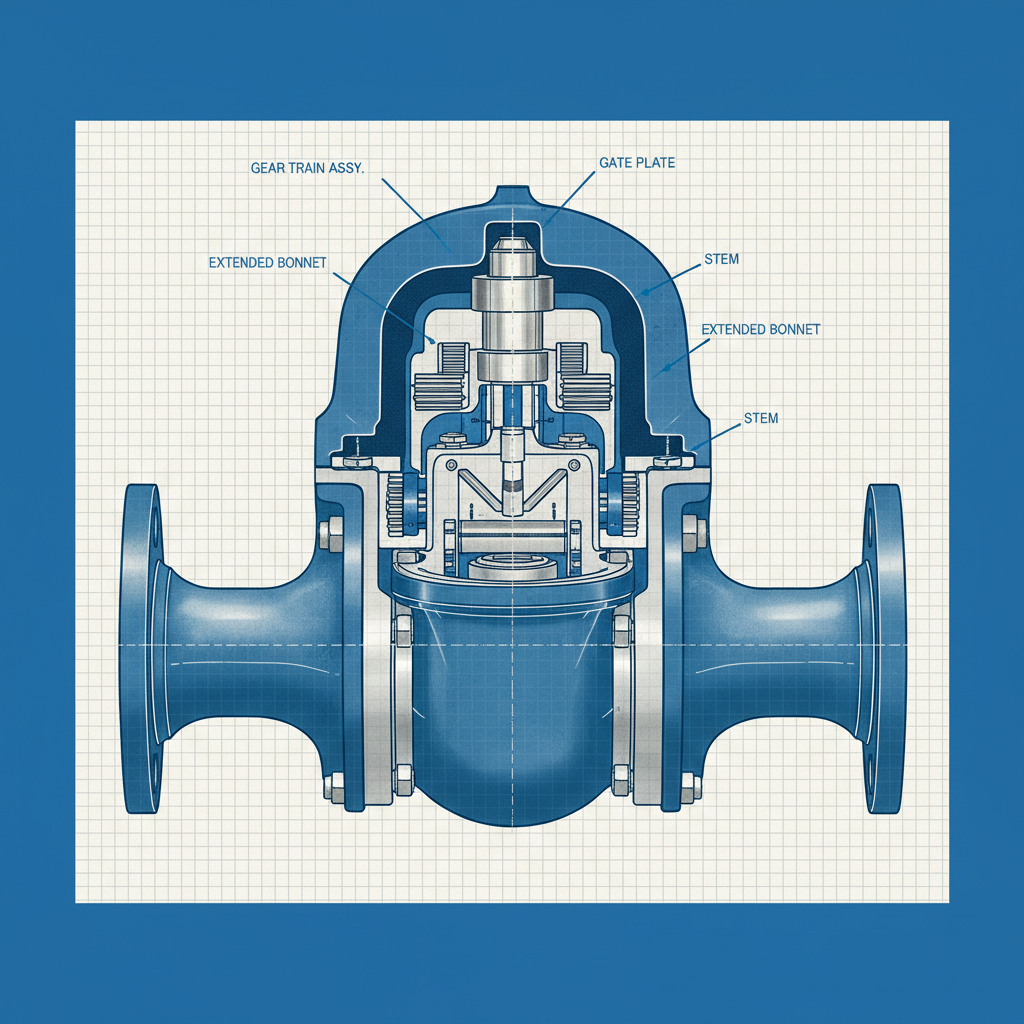
Extended body gate valves differ from standard gate valves by incorporating a longer bonnet extension. This extended bonnet provides increased distance between the valve seat and the packing gland. The primary benefit is the creation of a cold box or hot box, which protects the packing and stem from extreme temperatures. This is particularly important in high or low-temperature applications where maintaining a stable packing temperature is critical for preventing leaks and ensuring valve longevity. The extended bonnet also reduces the possibility of thermal shock, enhancing valve reliability. This design is particularly useful in industries dealing with cryogenic fluids or high-temperature steam.
Key Benefits: Reduced fugitive emissions, enhanced insulation, improved safety in extreme temperature applications, and extended valve lifespan.
Applications of China Extended Body Gate Valves
These valves find applications in a wide range of industries. The oil and gas sector utilizes them extensively for pipeline applications, especially in cryogenic service. The petrochemical industry uses them for handling high-temperature fluids and steam. Power generation plants employ them in steam systems. They’re also crucial in chemical processing facilities where corrosive or hazardous materials require reliable isolation. Furthermore, extended body gate valves are used in district heating systems, LNG terminals, and various other industrial processes. Choosing the right valve for a specific application requires careful consideration of the fluid properties, temperature, pressure, and regulatory requirements.
Common Industries Served:
• Oil & Gas
• Petrochemical
• Power Generation
• Chemical Processing
China Extended Body Gate Valves: Materials & Standards
Extended body gate valves are typically manufactured from various materials to suit different operating conditions. Common materials include carbon steel (WCB, A105), stainless steel (304, 316, CF8, CF8M), and alloy steels (F11, F22). The choice of material depends on the fluid being handled and the temperature/pressure requirements. Valves from reputable Chinese manufacturers like HBYS Valves comply with international standards such as API 600, ASME B16.34, and BS5167. Adherence to these standards ensures quality, safety, and interchangeability.
Sourcing from China: Key Considerations
When sourcing extended body gate valves from China, it's vital to choose a reputable manufacturer with a proven track record. Look for companies that have certifications such as ISO 9001, demonstrating their commitment to quality management. Verify their experience in exporting to your region and ensure they can provide the necessary documentation, including material test reports (MTRs) and compliance certificates. Communication is also key – choose a supplier that is responsive and provides clear and accurate information. Finally, consider factors like lead times, shipping costs, and after-sales support when making your decision. HBYS Valves offers a comprehensive range of extended body gate valves and prioritizes customer satisfaction.
Benefits of Choosing HBYS Valves
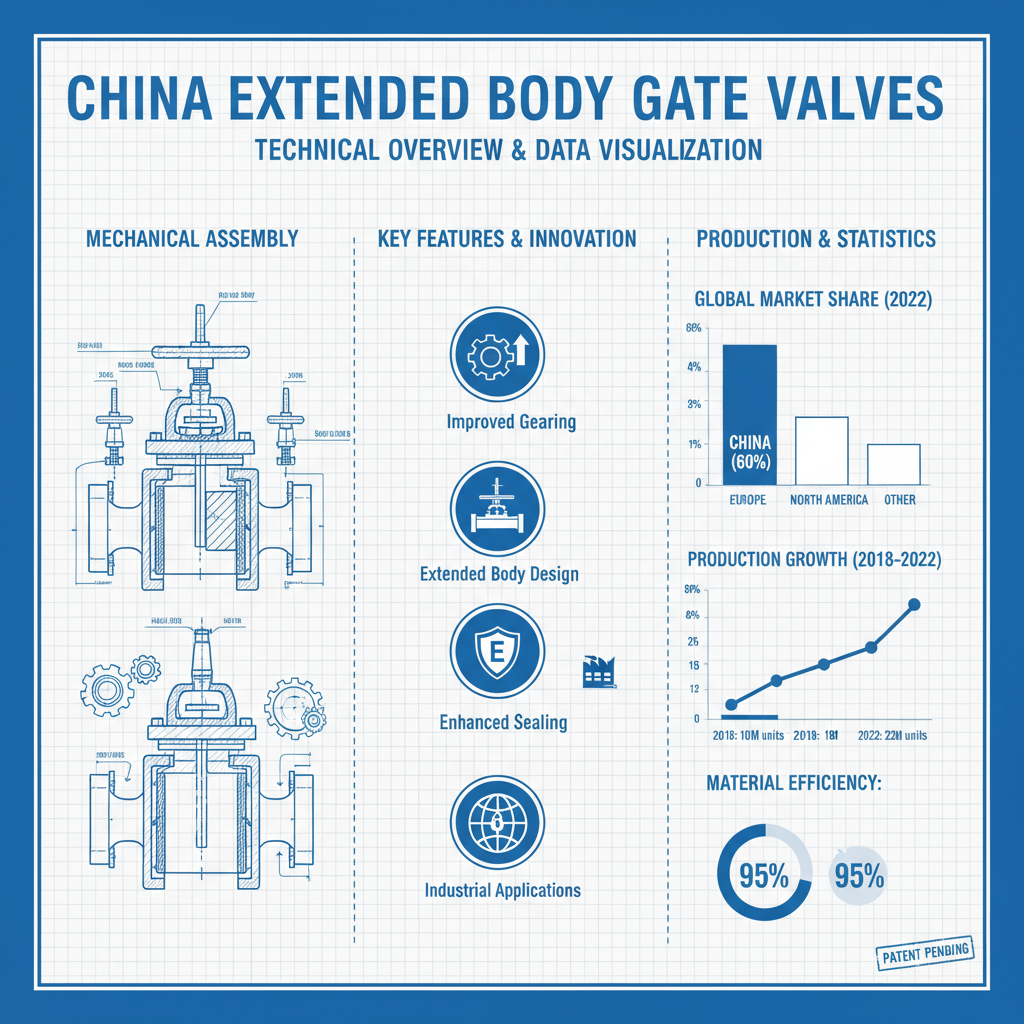
HBYS Valves stands out as a leading manufacturer of high-quality extended body gate valves in China. We offer a wide range of sizes, materials, and pressure ratings to meet diverse application requirements. Our valves are manufactured to stringent international standards and undergo rigorous quality control testing. We prioritize customer satisfaction and provide excellent technical support and after-sales service. With competitive pricing and efficient logistics, HBYS Valves is your trusted partner for reliable flow control solutions.
Conclusion: Investing in Quality & Reliability
Choosing the right extended body gate valve is crucial for ensuring the safety and efficiency of your operations. By partnering with a reputable manufacturer like HBYS Valves, you can be confident in the quality, reliability, and performance of your valves. Invest in peace of mind and optimize your flow control systems with our expert solutions.
Frequently Asked Questions (FAQs)
What are the advantages of an extended bonnet over a standard bonnet?
The extended bonnet creates a thermal break, isolating the packing and stem from extreme temperatures. This prevents packing degradation, reduces fugitive emissions, and enhances valve reliability in high or low-temperature applications. Standard bonnets lack this insulation, making them more susceptible to temperature-related failures.
What standards should I look for when purchasing a gate valve?
Look for valves that comply with API 600 (Gate Valves – Bolted Bonnets, Flanged and Threaded Ends), ASME B16.34 (Valve Bodies for Use with Socket-Welding Ends, Screwed Ends, and Butt-Welding Ends), and BS5167 (Specification for Gate Valves). These standards ensure quality, safety, and interchangeability. Material test reports (MTRs) verifying the material composition are also essential.
How often should extended body gate valves be inspected?
Regular inspection is crucial for maintaining valve integrity. Depending on the application, valves should be inspected at least annually, or more frequently in harsh environments. Look for signs of corrosion, leakage, damage to the bonnet, and proper packing adjustment. Record all inspection findings and schedule maintenance as needed.
What is the role of packing in an extended body gate valve?
The packing seals the space between the valve stem and the bonnet, preventing leakage of the process fluid. The extended bonnet in these valves helps maintain the packing’s temperature within acceptable limits, ensuring its effectiveness. Properly adjusted and maintained packing is vital for preventing fugitive emissions and ensuring safe valve operation.
-
Comprehensive Guide to China Pipe Laterals Fittings for Global Trade ApplicationsUutisetFeb.24,2026
-
Comprehensive Guide to China 3 Inch Butterfly Valve Selection and ApplicationsUutisetJan.30,2026
-
Comprehensive Guide to Pipe Adaptors and Fittings for Efficient SystemsUutisetJan.28,2026
-
Comprehensive Guide to Pipe T Fittings for Plumbing and Fluid Transfer SystemsUutisetJan.28,2026
-
Comprehensive Guide to Union Pipe Fitting Selection and ApplicationsUutisetJan.27,2026
-
Comprehensive Guide to China Angle Globe Valves for Industrial ApplicationsUutisetJan.27,2026
-
China 4 Inch Drainage Pipe Fittings: A Buyer's GuideUutisetJan.25,2026
 Finnish
 Afrikaans
  Albanian
  Amharic
  Arabic
  Armenian
  Azerbaijani
  Basque
  Belarusian
  Bengali
  Bosnian
  Bulgarian
  Catalan
  Cebuano
  Croatian
  Czech
Czech  Danish
  Dutch
Dutch  English Esperanto
  Estonian
  French
  Frisian
  Galician
  Georgian
  German
  Greek
Greek  Gujarati
  Hebrew
  Hindi
Hindi  Hungarian
  Icelandic
  Indonesian
  Italian
  Japanese
  Kannada
  Kazakh
  Khmer
Khmer  Korean
  Kurdish
  Lao
Lao  Latvian
  Lithuanian
  Macedonian
  Malay
Malay  Malayalam
  Marathi
  Mongolian
  Myanmar
  Nepali
  Norwegian
  Pashto
  Persian
  Polish
  Portuguese
  Panjabi
  Romanian
  Russian
  Scottish Gaelic
  Serbian
  Sinhala
  Slovak
  Slovenian
  Spanish
  Swahili
  Swedish
  Tagalog
  Tamil
Tamil  Tatar
Tatar  Telugu
  Thai
Thai  Turkish
  Ukrainian
  Urdu
Urdu  Uighur
  Uzbek
Uzbek  Vietnamese
  Welsh
Welsh