 86-312-8695888
 86-13722963501
 info@hbysindustry.com
-
 africain
-
 albanais
-
 Amharique
-
 arabe
arabe
-
 arménien
-
 azerbaïdjanais
-
 Basque
-
 biélorusse
-
 bengali
-
 bosniaque
-
 bulgare
-
 catalan
-
 Cebuano
-
 Corse
Corse
-
 croate
-
 tchèque
-
 danois
-
 Néerlandais
-
 Anglais
-
 espéranto
-
 estonien
-
 finlandais
-
 Français
-
 frison
-
 Galicien
-
 géorgien
-
 Allemand
-
 grec
grec
-
 Gujarati
-
 Créole haïtien
-
 haoussa
-
 hawaïen
-
 hébreu
-
 Non
Non
-
 Miao
Miao
-
 hongrois
-
 islandais
-
 igbo
igbo
-
 indonésien
-
 irlandais
-
 italien
-
 Japonais
-
 Javanais
-
 Kannada
-
 kazakh
-
 Khmer
Khmer
-
 Rwandais
-
 coréen
-
 kurde
kurde
-
 Kirghize
-
 tuberculose
-
 Latin
Latin
-
 letton
-
 lituanien
-
 luxembourgeois
-
 Macédonien
-
 Malgashi
-
 malais
-
 Malayalam
-
 maltais
-
 Maori
Maori
-
 Marathi
-
 mongol
-
 Birmanie
-
 Népalais
-
 norvégien
-
 norvégien
-
 Occitan
-
 pachtou
-
 persan
-
 polonais
-
 Portugais
-
 Pendjabi
-
 roumain
-
 russe
russe
-
 Samoan
-
 Gaélique écossais
-
 serbe
serbe
-
 Anglais
-
 Shona
Shona
-
 Sindhi
-
 Cinghalais
-
 slovaque
-
 slovène
-
 somali
-
 Espagnol
-
 Soundanais
-
 Swahili
-
 suédois
-
 Tagalog
-
 tadjik
-
 Tamil
Tamil
-
 tatar
tatar
-
 Télougou
-
 thaïlandais
-
 turc
turc
-
 Turkmènes
-
 ukrainien
-
 Ourdou
-
 Ouïghour
-
 Ouzbek
-
 vietnamien
-
 gallois
-
 Aide
Aide
-
 yiddish
-
 Yorouba
-
 zoulou


Need an ANSI Steel Globe Valve with Leak-Tight Performance?
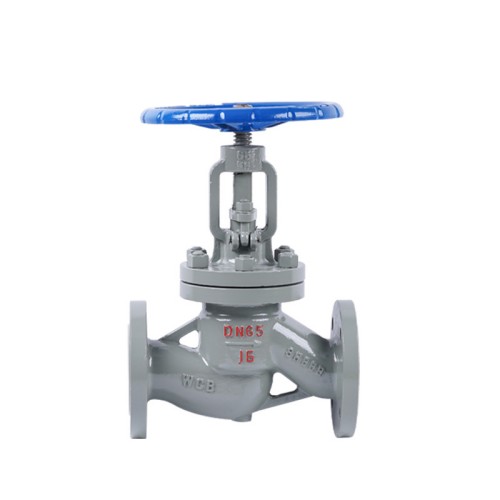
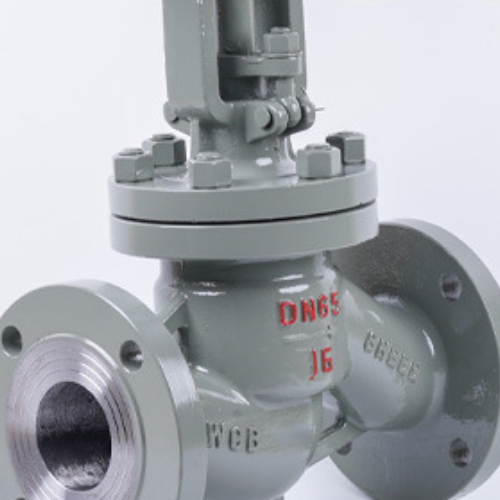
J41Y-16C Cast Steel Globe Valve: Field Notes, Specs, and Real-World Buying Advice
If you’ve ever walked a steam line at 5 a.m., you know why a good ansi steel globe valve becomes the quiet hero. This is my quick, no-nonsense take on the J41Y-16C from Baoding, Hebei—plus what end users are actually reporting back.
What’s trending in globe valves (and why it matters)
Two things: tighter shutoff expectations on steam/water service and faster deliveries. Actually, users also want traceability without the premium price tag. The J41Y-16C hits a sweet spot: classic WCB body, predictable torque, and testing to API/ISO norms. Many customers say it “just works,” which sounds mundane until your shutdown window is measured in minutes.
Quick spec snapshot
| Model | J41Y-16C Cast Steel Globe Valve |
| Nominal size | Standard DN15–DN250; customization around DN50–DN1000 available |
| Pressure rating | 1.6–16.0 MPa (≈ ASME Class 150–900) |
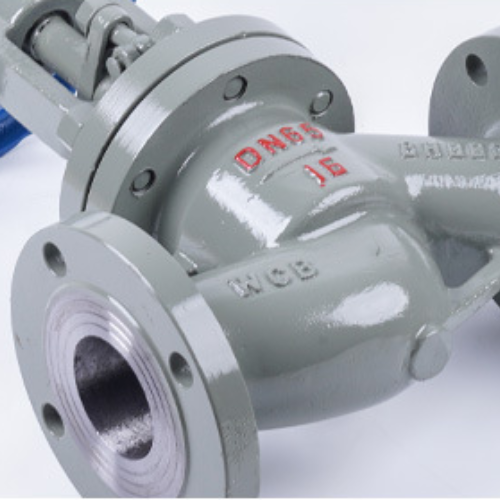
| Body material | ASTM A216 WCB |
| Media & temperature | Water, oil, steam; ≤ 425 °C |
| Ends / F-F | Flanged (ASME B16.5); face-to-face ASME B16.10 |
| Operation | Manual handwheel or electric actuator |
| Testing | API 598 / ISO 5208; shell ≈ 1.5×Rated, seat ≈ 1.1×Rated |
How it’s built and verified (the shop-floor version)
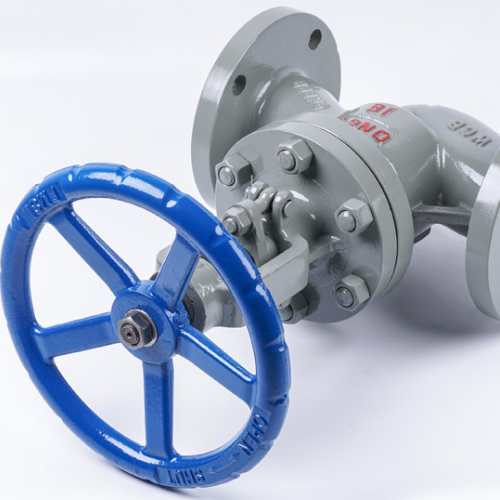
- Materials: WCB body; trims in 13Cr/304/316; optional hardfacing (Stellite) on seat/disc for erosive steam.
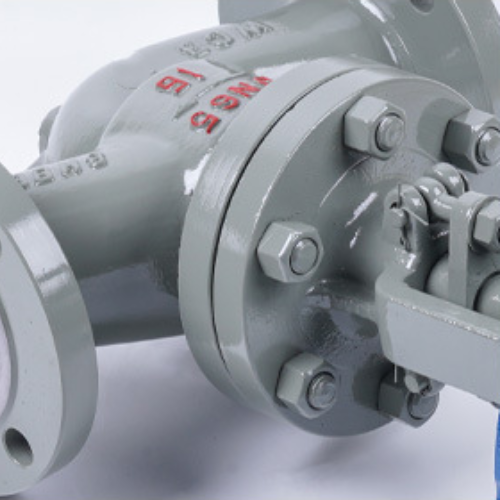
- Methods: Precision machining of seat ring; lapped seating surfaces; bolted bonnet; OS&Y for visual position.
- Testing: API 598 hydro; ISO 5208 leakage grades; NDT (MT/PT) on critical welds; MTRs to EN 10204 3.1 on request.
- Service life: ≈ 10,000–20,000 cycles in clean service; real-world may vary with throttling severity and water chemistry.
- Origin: North Guzhuangying Village, Ansu Town, Xushui District, Baoding, Hebei, China.
Where it’s used (and why people pick it)
Common deployments include boiler lines, condensate headers, and oil transfer manifolds. The big draw? Predictable throttling and tight shut-off. In fact, a maintenance manager told me their ansi steel globe valve swap cut seat leakage complaints to almost zero over a quarter.
- Advantages: linear flow control, positive shutoff, simple packing maintenance, actuator-ready.
- Limitations: higher pressure drop than a gate valve; mind the Cv when retrofitting.
Vendor landscape (my practical comparison)
| Vendor | Compliance | Lead time | Customization | Docs |
|---|---|---|---|---|
| HBYS Valves (Hebei) | ASME B16.34, API 598, API 623 (select lines) | ≈ 2–6 weeks | DN15–250 std; up to DN1000 on request | MTR 3.1, hydro charts, coating logs |
| Importer Brand B | API 598; mixed trim options | Stock/4–8 weeks | Limited end-user mods | Basic CoC; MTR on request |
| OEM Aggregator C | Varies by lot | 6–12 weeks | High, but pricier | Full dossier (paid) |
Customization and test data
- Actuation: electric with positioner; 4–20 mA feedback; IP65/67 housings.
- Trim: 13Cr/304/316; hardfaced seats for throttling service.
- Coatings: epoxy or zinc-rich primer; high-temp paint available.
- Sample API 598 results (DN100, PN16): shell 24 bar/0 leakage; seat 17.6 bar/≤ allowable MSS rate—observed 0 visible bubbles.
Case notes (from the field)
A food plant swapped legacy globes for ansi steel globe valve units on a 180 °C steam loop. After 3 months, energy team logged ≈ 4–6% condensate return improvement—mostly from tighter isolation and less throttling chatter. To be honest, that’s better than I expected.
Short buying checklist
- Confirm ΔP and required Cv; globe valves aren’t shy about pressure drop.
- Ask for API 598 test charts and EN 10204 3.1 MTRs—simple but telling.
- If throttling, spec hardfaced seat/disc; it pays back in service life.
- Verify flange standard (ASME B16.5) and face-to-face (B16.10) to avoid spool surprises.
Standards & certifications referenced: ASME B16.34, ASME B16.5, ASME B16.10, API 598, API 623, ISO 5208, MSS SP-25. ISO 9001 QMS where applicable.
- ASME B16.34 – Valves—Flanged, Threaded, and Welding End. asme.org
- API 623 – Steel Globe Valves—Bolted Bonnet—OS&Y. api.org
- API 598 – Valve Inspection and Testing. api.org
- ISO 5208 – Industrial valves—Pressure testing of metallic valves. iso.org
- MSS SP-25 – Standard Marking System for Valves. msshq.org
-
Comprehensive Guide to China Pipe Laterals Fittings for Global Trade ApplicationsNouvellesFeb.24,2026
-
China Extended Body Gate Valves A Comprehensive Guide To Selection And ApplicationNouvellesFeb.11,2026
-
Comprehensive Guide to China 3 Inch Butterfly Valve Selection and ApplicationsNouvellesJan.30,2026
-
Comprehensive Guide to Pipe Adaptors and Fittings for Efficient SystemsNouvellesJan.28,2026
-
Comprehensive Guide to Pipe T Fittings for Plumbing and Fluid Transfer SystemsNouvellesJan.28,2026
-
Comprehensive Guide to Union Pipe Fitting Selection and ApplicationsNouvellesJan.27,2026
-
Comprehensive Guide to China Angle Globe Valves for Industrial ApplicationsNouvellesJan.27,2026
 French
 Afrikaans
  Albanian
  Amharic
  Arabic
  Armenian
  Azerbaijani
  Basque
  Belarusian
  Bengali
  Bosnian
  Bulgarian
  Catalan
  Cebuano
  Croatian
  Czech
Czech  Danish
  Dutch
Dutch  English Esperanto
  Estonian
  Finnish
  Frisian
  Galician
  Georgian
  German
  Greek
Greek  Gujarati
  Hebrew
  Hindi
Hindi  Hungarian
  Icelandic
  Indonesian
  Italian
  Japanese
  Kannada
  Kazakh
  Khmer
Khmer  Korean
  Kurdish
  Lao
Lao  Latvian
  Lithuanian
  Macedonian
  Malay
Malay  Malayalam
  Marathi
  Mongolian
  Myanmar
  Nepali
  Norwegian
  Pashto
  Persian
  Polish
  Portuguese
  Panjabi
  Romanian
  Russian
  Scottish Gaelic
  Serbian
  Sinhala
  Slovak
  Slovenian
  Spanish
  Swahili
  Swedish
  Tagalog
  Tamil
Tamil  Tatar
Tatar  Telugu
  Thai
Thai  Turkish
  Ukrainian
  Urdu
Urdu  Uighur
  Uzbek
Uzbek  Vietnamese
  Welsh
Welsh