 86-312-8695888
 86-13722963501
 info@hbysindustry.com
-
 Afraganach
-
 Albànianach
-
 Amharic
-
 Arabach
-
 Armenianach
-
 Azerbaijani
-
 Basgach
-
 Belarusianach
-
 Bengàlach
-
 Bosnianach
-
 Bulgàrianach
-
 Catalanach
-
 Cebuano
-
 Corsicanach
-
 Croatianach
-
 Seacach
-
 Dànach
-
 Duitseach
-
 Sasannach
-
 Esperanto
-
 Estòinianach
-
 Fionnlaineach
-
 Frangach
-
 Frisianach
-
 Galicianach
-
 Georgianach
-
 Gearmailteach
-
 Grèigeach
-
 Gujarati
-
 Haitian Creole
-
 Hausa
Hausa
-
 Hawaiianach
-
 Eabhrach
-
 Chan eil
-
 Miao
Miao
-
 Hungàrianach
-
 Innis Tìleach
-
 igbo
igbo
-
 And-Innseach
-
 Èireannach
-
 Eadailteach
-
 Iapanach
-
 Iabhaininnseach
-
 Kannada
-
 Kasakh
-
 Ciméireach
-
 Ruanda
-
 Corèanach
-
 Curdach
-
 Kyrgyz
-
 TBh
TBh
-
 Laidinn
-
 Latbhianach
-
 Lithuanianach
-
 Luxembourgach
-
 Macedonianach
-
 Malgashi
-
 Malaidheach
-
 Malayalamach
-
 Malteseach
-
 Maori
Maori
-
 Marathiach
-
 Mongolianach
-
 Myanmar
-
 Nepalach
-
 Lochlannach
-
 Lochlannach
-
 Occitan
-
 Pashto
-
 Persianach
-
 Pòlainneach
-
 Portugalach
-
 Punjabi
-
 Romànianach
-
 Ruiseanach
-
 Samoan
-
 Gàidhlig na h-Alba
-
 Serbianach
-
 Sasannach
-
 Shona
Shona
-
 Sindeach
-
 Sinhala
-
 Slovacanach
-
 Slobhenianach
-
 Somali
-
 Spàinneach
-
 Sundais
-
 Swahilieach
-
 Suaineach
-
 Tagalogach
-
 Tajik
Tajik
-
 Tamileach
-
 Tatarais
-
 Telugach
-
 Thaidheach
-
 Turcach
-
 Turkmen
-
 Ucràinis
-
 Urdu
Urdu
-
 Uighur
-
 Uzbek
Uzbek
-
 Bhietnam
-
 Cuimris
-
 Cuideachadh
-
 Giúdais
-
 Ioruba
-
 Zulu
Zulu


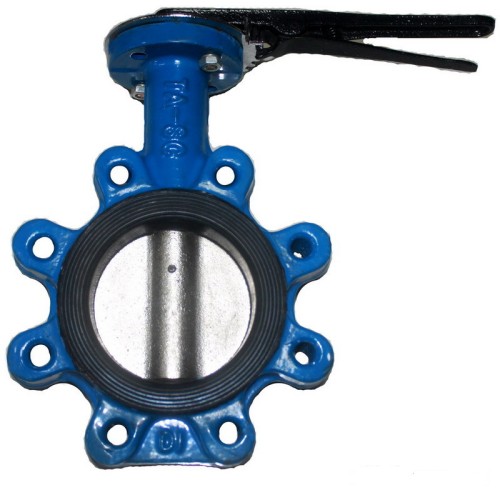
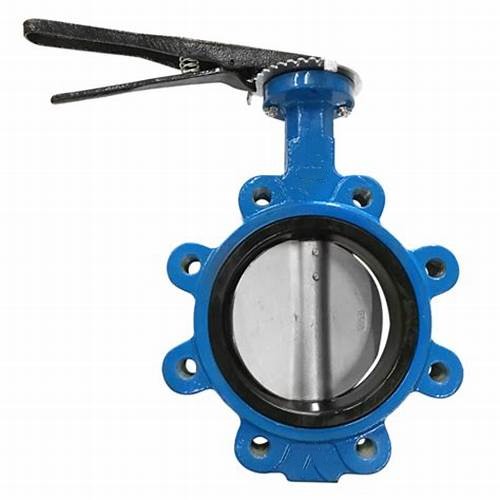
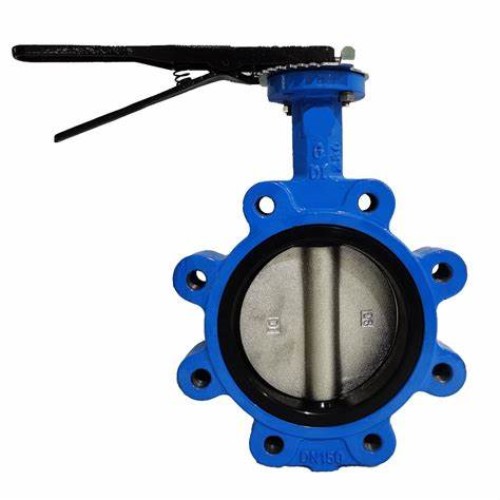
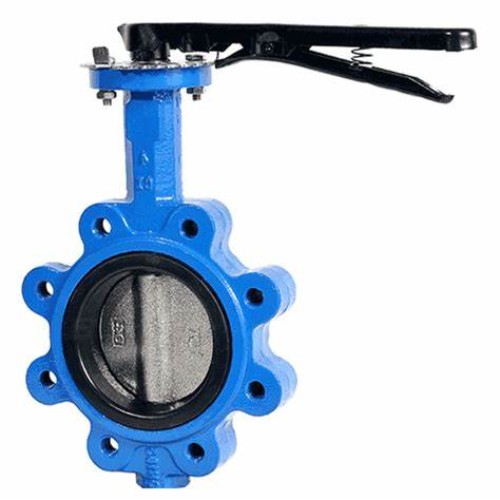
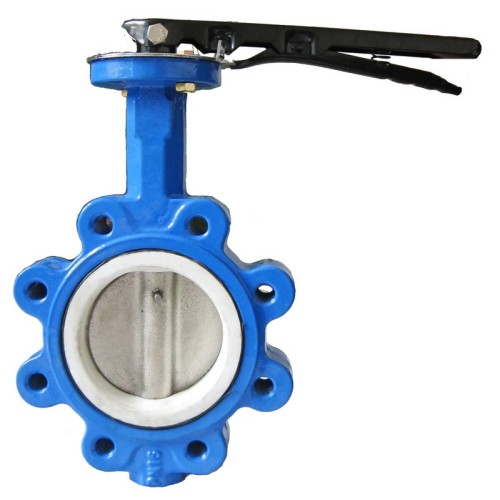
Lug Type Butterfly Valve Dimensions
| Medium | temperature: ≤80 ℃ |
| Medium: | water, oil |
| Caliber: | DN50-600 |
| Pressure: | 1.0-1.6mpa |
| Body material: | gray cast iron / nodular cast iron / carbon steel |
| Connection method: | Wafer type |
| Standard: | National Standard, American Standard |
Parameters PRODUCT:
| Ainm pàirt | Stuth | ||
| Corp comhla | Gray Cast Iron / Ductile Iron / WCB | ||
| Dealan-dè | Iarann ductile / SS | ||
| Slat bhalbhaichean | Stàilinn gualain |
||
| Cearcall ròin | EPDM/NBR/PTFE |
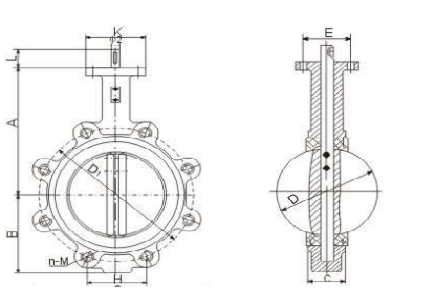
| modail | Brùthadh ainmichte (LB) |
cuideam deuchainn (mpa) | teòthachd cheart | Meadhanach iomchaidh | |||||
| neart | seula | ||||||||
| LTD71X-10 | 1.0 | 1.50 | 1.10 | ≤80℃ | Water, oil | ||||
| LTD371X-10 | |||||||||
| LTD71X-16 | 1.6 | 2.40 | 1.80 | ≤80℃ | Water, oil | ||||
| LTD371X-16 | |||||||||
| modail | Trast-thomhas ainmichte (mm) |
meud (mm) | |||||||
| D | D1 | H | n-φ | C | |||||
| LTD71X-10/16 | 50 | 52.9 | 125 | 88.38 | 4-M16 | 42 | |||
| 65 | 64.5 | 145 | 102.54 | 4-M16 | 44.7 | ||||
| 80 | 78.8 | 160 | 61.23 | 8-φM16 | 45.2 | ||||
| 100 | 104 | 180 | 68.88 | 8-φM16 | 52.1 | ||||
| 125 | 123.3 | 210 | 80.36 | 8-φM16 | 54.4 | ||||
| 150 | 155.6 | 240 | 91.84 | 8-φM20 | 55.8 | ||||
| 200 | 202.5 | 295 | 112.89 76.5 |
8-φM20 12-φM24 |
60.6 | ||||
| 250 | 250.5 | 350 355 |
90.59 91.88 |
12-φM20 12-φM24 |
65.6 | ||||
| 300 | 301.6 | 400 410 |
103.52 106.12 |
12-φM20 12-φM24 |
76.9 | ||||
| 50 | 333.3 | 460 470 |
89.74 91.69 |
16-φM20 16-φM24 |
76.5 | ||||
| 400 | 389.6 | 515 525 |
100.48 102.42 |
16-φM24 16-φM27 |
86.5 | ||||
PRODUCT ADVANTAGES:
Application: This valve is mainly used for shut-off valves, and it can also be designed to have the function of regulating or shut-off and regulating.
1. We have Sand or Precision casting technology, So we can as your drawing design and production.
2. Customers' logos are available cast on the valve body.
3. All our casting with the tempering procedure before Processing.
4. Use the CNC lathe during the whole process.
5. The disc sealing surface uses plasma welding machine welding
6. Every valve must be tested before delivery from the factory, only qualified ones can be shipped.
7. The kind valve we usually use Wooden cases to package, We also can according to
iarrtasan luchd-ceannach sònraichte.
COMPANY ADVANTAGES:
-
 1. We have been a manufacturer Since 1992.
 -
 2. CE, API, ISO approved.
 -
 3. Fast delivery.
 -
 4. Low price with high quality.
 -
 5. Professional work Team!
Lug Type Butterfly Valve Installation
First and foremost, understanding the anatomy of a lug butterfly valve is crucial before diving into the installation process. Unlike a wafer butterfly valve, which is sandwiched between two pipe flanges, a lug butterfly valve has threaded inserts on each side that allow for easy installation using bolts. This design feature not only simplifies the installation process but also enhances the valve's stability and reliability in high-pressure environments.
When it comes to installing a lug butterfly valve, proper alignment is key to ensuring optimal performance. The valve should be positioned symmetrically between the two flanges, with the shaft in a vertical orientation to prevent any stress or strain on the valve components. Tightening the bolts gradually and evenly across the flanges will help create a secure and leak-free seal, minimizing the risk of valve failure due to misalignment or uneven pressure distribution.
Moreover, applying the right amount of torque to the bolts is essential for maintaining the integrity of the lug butterfly valve during operation. Over-tightening can distort the valve body and lead to premature wear, while under-tightening can result in leakage and inefficiency. Consulting the manufacturer's guidelines for recommended torque values and using a torque wrench to achieve the desired tension will ensure proper installation and long-term reliability of the valve.
Wafer Vs Lug Butterfly Valve
Lug butterfly valves are designed with threaded inserts on both sides of the valve body, allowing for easy installation and maintenance. These valves are ideal for applications where there is a need for a secure connection between the valve and the piping system. The lug design also provides added support and stability, making it suitable for high-pressure applications. Additionally, lug butterfly valves can be easily removed from the pipeline without affecting the rest of the system, making maintenance and repairs hassle-free.
On the other hand, wafer-type butterfly valves are thinner in profile compared to lug-type valves and are sandwiched between two flanges using bolts. This design eliminates the need for additional flanges, making wafer-type valves more compact and lightweight. They are ideal for applications where space is limited and weight is a concern. Wafer-type butterfly valves are also easier and quicker to install due to their simple design, making them a cost-effective option for many industrial applications.
In terms of performance, both lug and wafer-type butterfly valves offer reliable and efficient flow control. However, the decision between the two types ultimately depends on the specific requirements of the application. If you are looking for a robust and secure valve that can handle high pressures, a lug-type butterfly valve may be the better option. On the other hand, if space and weight are a concern, a wafer-type butterfly valve may be more suitable for your needs.
 Scottish Gaelic
 Afrikaans
  Albanian
  Amharic
  Arabic
  Armenian
  Azerbaijani
  Basque
  Belarusian
  Bengali
  Bosnian
  Bulgarian
  Catalan
  Cebuano
  Croatian
  Czech
Czech  Danish
  Dutch
Dutch  English Esperanto
  Estonian
  Finnish
  French
  Frisian
  Galician
  Georgian
  German
  Greek
Greek  Gujarati
  Hebrew
  Hindi
Hindi  Hungarian
  Icelandic
  Indonesian
  Italian
  Japanese
  Kannada
  Kazakh
  Khmer
Khmer  Korean
  Kurdish
  Lao
Lao  Latvian
  Lithuanian
  Macedonian
  Malay
Malay  Malayalam
  Marathi
  Mongolian
  Myanmar
  Nepali
  Norwegian
  Pashto
  Persian
  Polish
  Portuguese
  Panjabi
  Romanian
  Russian
  Serbian
  Sinhala
  Slovak
  Slovenian
  Spanish
  Swahili
  Swedish
  Tagalog
  Tamil
Tamil  Tatar
Tatar  Telugu
  Thai
Thai  Turkish
  Ukrainian
  Urdu
Urdu  Uighur
  Uzbek
Uzbek  Vietnamese
  Welsh
Welsh