 86-312-8695888
 86-13722963501
 info@hbysindustry.com
-
 Afraganach
-
 Albànianach
-
 Amharic
-
 Arabach
-
 Armenianach
-
 Azerbaijani
-
 Basgach
-
 Belarusianach
-
 Bengàlach
-
 Bosnianach
-
 Bulgàrianach
-
 Catalanach
-
 Cebuano
-
 Corsicanach
-
 Croatianach
-
 Seacach
-
 Dànach
-
 Duitseach
-
 Sasannach
-
 Esperanto
-
 Estòinianach
-
 Fionnlaineach
-
 Frangach
-
 Frisianach
-
 Galicianach
-
 Georgianach
-
 Gearmailteach
-
 Grèigeach
-
 Gujarati
-
 Haitian Creole
-
 Hausa
Hausa
-
 Hawaiianach
-
 Eabhrach
-
 Chan eil
-
 Miao
Miao
-
 Hungàrianach
-
 Innis Tìleach
-
 igbo
igbo
-
 And-Innseach
-
 Èireannach
-
 Eadailteach
-
 Iapanach
-
 Iabhaininnseach
-
 Kannada
-
 Kasakh
-
 Ciméireach
-
 Ruanda
-
 Corèanach
-
 Curdach
-
 Kyrgyz
-
 TBh
TBh
-
 Laidinn
-
 Latbhianach
-
 Lithuanianach
-
 Luxembourgach
-
 Macedonianach
-
 Malgashi
-
 Malaidheach
-
 Malayalamach
-
 Malteseach
-
 Maori
Maori
-
 Marathiach
-
 Mongolianach
-
 Myanmar
-
 Nepalach
-
 Lochlannach
-
 Lochlannach
-
 Occitan
-
 Pashto
-
 Persianach
-
 Pòlainneach
-
 Portugalach
-
 Punjabi
-
 Romànianach
-
 Ruiseanach
-
 Samoan
-
 Gàidhlig na h-Alba
-
 Serbianach
-
 Sasannach
-
 Shona
Shona
-
 Sindeach
-
 Sinhala
-
 Slovacanach
-
 Slobhenianach
-
 Somali
-
 Spàinneach
-
 Sundais
-
 Swahilieach
-
 Suaineach
-
 Tagalogach
-
 Tajik
Tajik
-
 Tamileach
-
 Tatarais
-
 Telugach
-
 Thaidheach
-
 Turcach
-
 Turkmen
-
 Ucràinis
-
 Urdu
Urdu
-
 Uighur
-
 Uzbek
Uzbek
-
 Bhietnam
-
 Cuimris
-
 Cuideachadh
-
 Giúdais
-
 Ioruba
-
 Zulu
Zulu


Ball Valves: A Versatile and Reliable Solution for Fluid Control
When it comes to fluid control in industrial applications, comhla ball technology stands out for its efficiency, durability, and versatility. With multiple configurations available on the market, ball valves for sale are ideal for various systems that require reliable on-off flow control. In this article, we will explore the differences between comhla ball and check valve, the benefits of all-welded construction in ball valves, and how their maintenance costs compare to replacement expenses.
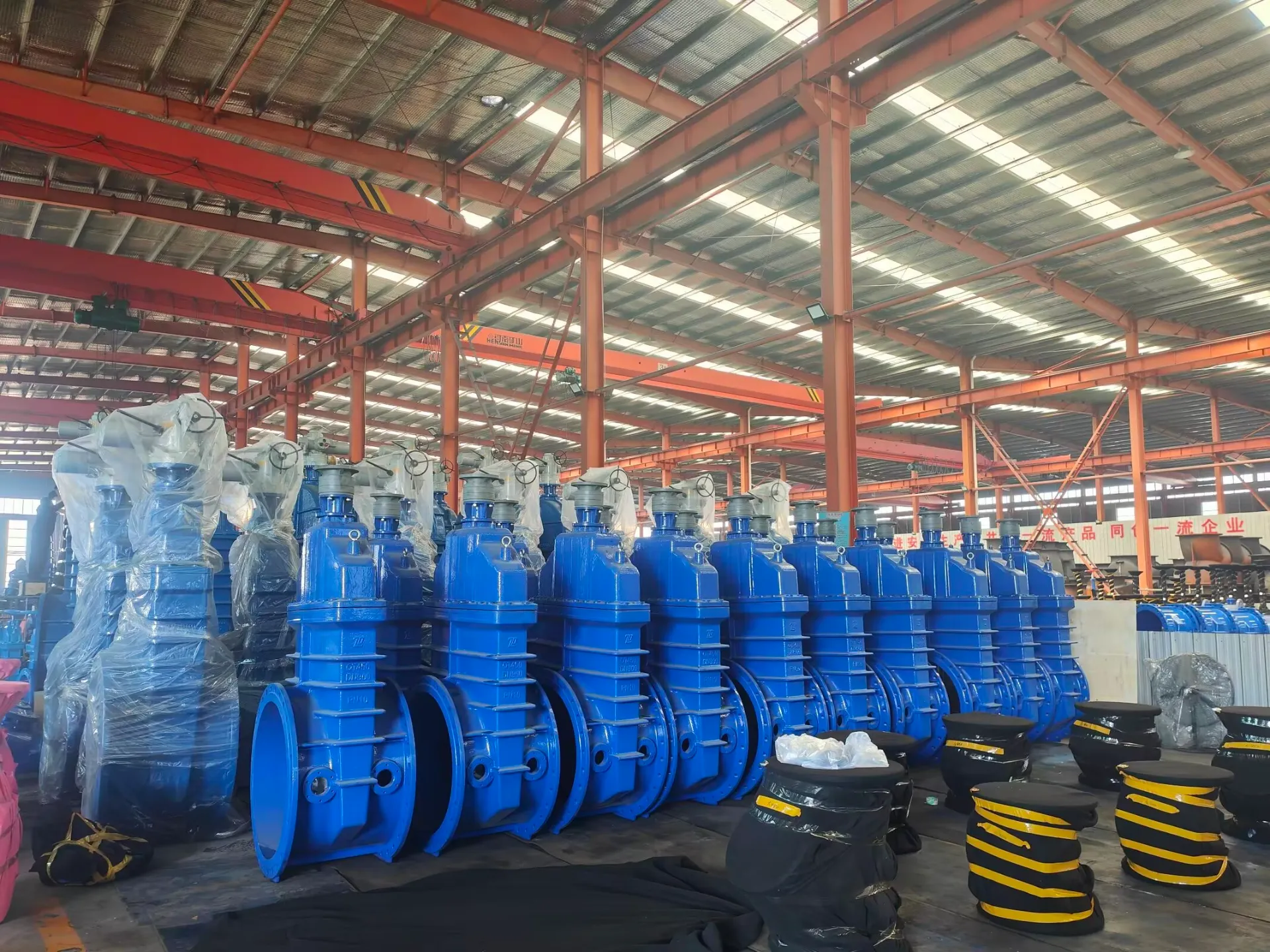
Ball Valve vs. Check Valve: Understanding Their Functions
Although comhla ball and check valve are both used for fluid control, they serve different functions and operate based on different principles. A comhla ball utilizes a spherical disc with a hollow center that rotates to either open or close the valve, making it perfect for situations where full flow shutoff is required. Its quick and precise control makes it suitable for high-pressure systems and fluid applications requiring minimal pressure drop.
In contrast, a check valve is a type of one-way valve that automatically prevents backflow in a system. Unlike ball valves, check valves do not require manual operation and rely solely on the pressure of the fluid to open or close. The check valve is often used in pipelines where backflow prevention is critical, such as in water or gas distribution systems.
While both valves are essential in their respective applications, ball valves provide greater flexibility in terms of manual operation and shutoff control, whereas check valves are designed for automatic, one-directional flow protection. For many industries, including oil and gas, chemical processing, and water treatment, selecting the right type of valve is crucial for ensuring system efficiency.
The Benefits of All-Welded Construction in Ball Valves
One of the significant advantages of modern ball valves for sale is their all-welded construction, which offers numerous benefits, especially in high-pressure environments. In an all-welded comhla ball, the valve body and components are welded together, eliminating the need for traditional gaskets or flanges. This design provides a leak-proof solution and ensures that the valve performs optimally even in demanding applications.
The welded construction makes comhla ball more durable, as it reduces potential weak points where leaks or mechanical failures might occur over time. This is especially beneficial in industries such as oil refineries and gas pipelines, where even a minor leak can lead to significant safety hazards and financial losses. Moreover, the all-welded construction enhances the valve’s resistance to temperature fluctuations and corrosion, making it more reliable over long-term use.
By choosing an all-welded comhla ball from a trusted ball valves supplier, businesses can benefit from fewer maintenance requirements and a longer service life. The durability of these valves translates into cost savings, as they require less frequent inspection and repair compared to other valve designs.
Maintenance vs. Replacement Cost: Why Ball Valves Are Cost-Effective
When assessing the overall cost of fluid control systems, both maintenance and replacement expenses play a critical role. Ball valves are known for their low maintenance needs, which is one of the reasons why they remain a popular choice for many industries. Compared to valves with more complex designs or those that require regular gasket replacements, comhla ball maintenance is minimal.
Routine inspections, lubrication, and occasional tightening of components are usually sufficient to keep a comhla ball functioning optimally. In contrast, replacing a worn-out or damaged valve can be much more costly, especially in systems where downtime needs to be minimized. Since ball valves typically have a longer lifespan due to their robust construction, the overall costs associated with their maintenance are far lower than the expenses incurred by frequent replacements.
Furthermore, the all-welded construction of certain ball valves for sale offers additional cost benefits by reducing the need for gasket or flange replacements, making them an economical choice for industries with high operational demands.
Choosing the Right Ball Valve for Your Needs
Whether you’re looking for a ball valves supplier for a new project or seeking to upgrade an existing system, selecting the right comhla ball requires careful consideration of your application requirements. Different materials, pressure ratings, and sizes are available to meet the needs of various industries, from chemical plants to water treatment facilities.
For example, choosing a stainless steel comhla ball is ideal for applications dealing with corrosive fluids, while a brass comhla ball may be more suited for low-pressure systems involving water or air. In addition, features such as all-welded construction, fire-safe designs, and actuator compatibility are important factors to consider when selecting a valve that ensures long-term performance and safety.
The Future of Ball Valves in Fluid Control
The versatility, reliability, and cost-effectiveness of comhla ball technology make it an essential component in fluid control systems worldwide. Whether you need precision flow control, low-maintenance solutions, or robust construction for high-pressure applications, ball valves for sale from reputable suppliers offer the ideal solution.
By understanding the differences between comhla ball and check valve, the advantages of all-welded construction, and the cost-saving benefits of low-maintenance designs, industries can make informed decisions to ensure their fluid systems operate efficiently and safely. For businesses looking to invest in high-quality fluid control solutions, partnering with a reliable ball valves supplier is key to achieving long-term success.
-
Comprehensive Guide to China Pipe Laterals Fittings for Global Trade ApplicationsNaidheachdanFeb.24,2026
-
China Extended Body Gate Valves A Comprehensive Guide To Selection And ApplicationNaidheachdanFeb.11,2026
-
Comprehensive Guide to China 3 Inch Butterfly Valve Selection and ApplicationsNaidheachdanJan.30,2026
-
Comprehensive Guide to Pipe Adaptors and Fittings for Efficient SystemsNaidheachdanJan.28,2026
-
Comprehensive Guide to Pipe T Fittings for Plumbing and Fluid Transfer SystemsNaidheachdanJan.28,2026
-
Comprehensive Guide to Union Pipe Fitting Selection and ApplicationsNaidheachdanJan.27,2026
-
Comprehensive Guide to China Angle Globe Valves for Industrial ApplicationsNaidheachdanJan.27,2026
 Scottish Gaelic
 Afrikaans
  Albanian
  Amharic
  Arabic
  Armenian
  Azerbaijani
  Basque
  Belarusian
  Bengali
  Bosnian
  Bulgarian
  Catalan
  Cebuano
  Croatian
  Czech
Czech  Danish
  Dutch
Dutch  English Esperanto
  Estonian
  Finnish
  French
  Frisian
  Galician
  Georgian
  German
  Greek
Greek  Gujarati
  Hebrew
  Hindi
Hindi  Hungarian
  Icelandic
  Indonesian
  Italian
  Japanese
  Kannada
  Kazakh
  Khmer
Khmer  Korean
  Kurdish
  Lao
Lao  Latvian
  Lithuanian
  Macedonian
  Malay
Malay  Malayalam
  Marathi
  Mongolian
  Myanmar
  Nepali
  Norwegian
  Pashto
  Persian
  Polish
  Portuguese
  Panjabi
  Romanian
  Russian
  Serbian
  Sinhala
  Slovak
  Slovenian
  Spanish
  Swahili
  Swedish
  Tagalog
  Tamil
Tamil  Tatar
Tatar  Telugu
  Thai
Thai  Turkish
  Ukrainian
  Urdu
Urdu  Uighur
  Uzbek
Uzbek  Vietnamese
  Welsh
Welsh