 86-312-8695888
 86-13722963501
 info@hbysindustry.com
-
 africano
-
 albanés
-
 amárico
-
 árabe
árabe
-
 armenio
-
 azerbaiyano
-
 vasco
vasco
-
 bielorruso
-
 bengalí
-
 bosníaco
-
 búlgaro
-
 catalán
-
 Cebuano
-
 corso
corso
-
 croata
-
 checo
checo
-
 danés
danés
-
 holandés
-
 inglés
-
 Esperanto
-
 Estonio
-
 finés
finés
-
 francés
-
 frisona
-
 galego
-
 xeorxiano
-
 alemán
-
 grego
grego
-
 Gujarati
-
 crioulo haitiano
-
 hausa
hausa
-
 hawaiano
-
 hebreo
-
 non
non
-
 Miao
Miao
-
 húngaro
-
 islandés
-
 igbo
igbo
-
 indonesio
-
 irlandesa
-
 italiano
-
 xaponés
-
 xavanés
-
 Kannada
-
 casco
casco
-
 Khmer
Khmer
-
 Ruandés
-
 coreano
-
 kurdo
kurdo
-
 Kirguises
-
 TB
TB
-
 latín
latín
-
 letón
letón
-
 lituano
-
 luxemburgués
-
 macedonio
-
 Malgashi
-
 malaio
-
 malayalam
-
 maltés
-
 maorí
maorí
-
 Marathi
-
 mongol
-
 Myanmar
-
 nepalí
-
 noruegués
-
 noruegués
-
 occitano
-
 Pashto
-
 persa
persa
-
 polaco
-
 portugués
-
 Punjabi
-
 romanés
-
 ruso
ruso
-
 samoano
-
 Gaélico escocés
-
 serbio
-
 inglés
-
 Shona
Shona
-
 Sindhi
-
 cingalés
-
 eslovaco
-
 esloveno
-
 somalí
-
 español
-
 sundanés
-
 suahili
-
 sueco
sueco
-
 Tagalo
-
 taxico
-
 Tamil
Tamil
-
 tártaro
-
 Telugu
-
 tailandés
-
 turco
turco
-
 turcomano
-
 ucraíno
-
 Urdú
Urdú
-
 uigur
uigur
-
 uzbeco
-
 vietnamita
-
 galés
galés
-
 Axuda
Axuda
-
 yiddish
-
 ioruba
-
 Zulú
Zulú


Valve types and their appearance pictures - check valves
Check valves, also known as non-return valves, one-way valves or return valves, are valves used to prevent reverse flow of fluids. According to their structure and working principle, check valves can be divided into the following categories:
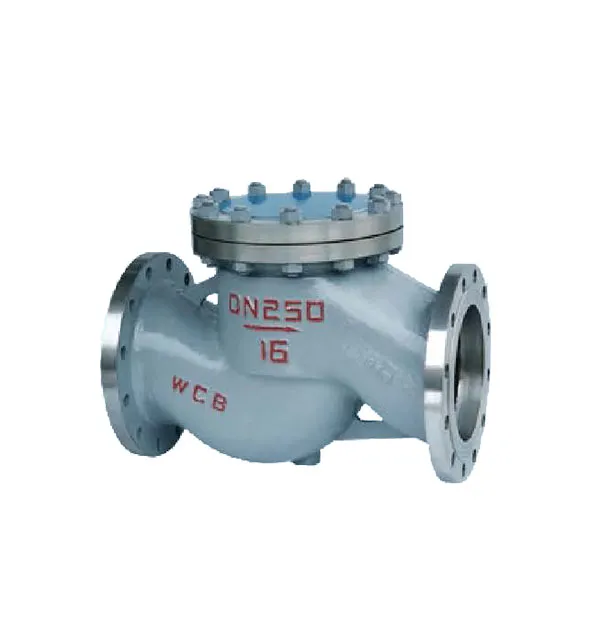
1. Lift check valve: The valve disc of this check valve moves vertically along the center line of the valve seat. The opening and closing strokes of the valve disc are short, suitable for smaller flow diameters. Its structure is relatively simple, but the flow resistance is relatively large.
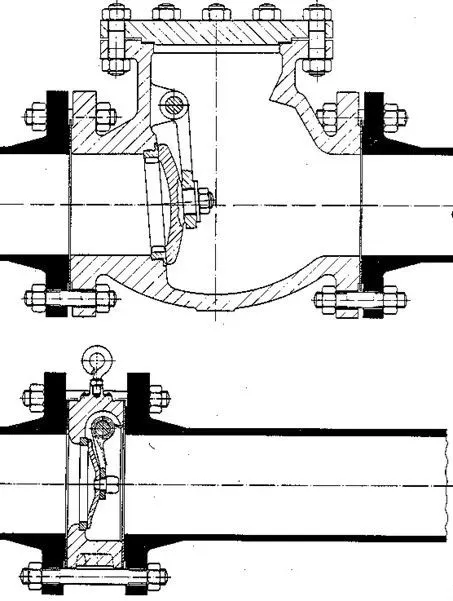
2. Swing check valve: The valve disc rotates around the pin outside the valve seat. The flow resistance of the swing check valve is small, and the opening and closing are relatively fast, but the structure is relatively complex, and it is not suitable for fluids containing solid particles or with high viscosity.
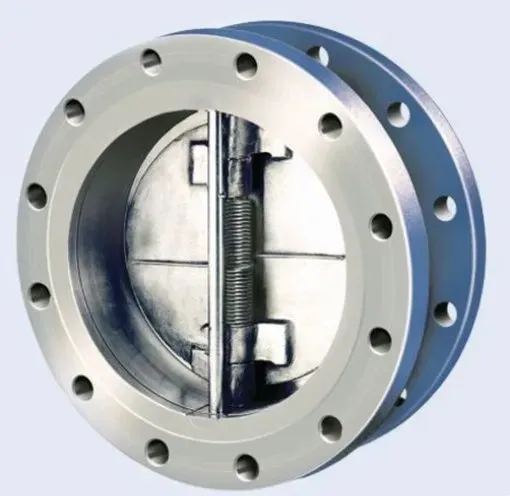
3. Butterfly check valve: The valve disc is similar to the valve disc of the butterfly valve, and rotates around the pin outside the valve seat. The disc check valve has a compact structure and a small flow resistance.
4. Ball check valve: The valve disc is spherical and rotates around the valve seat. The ball check valve has a small flow resistance and opens and closes quickly
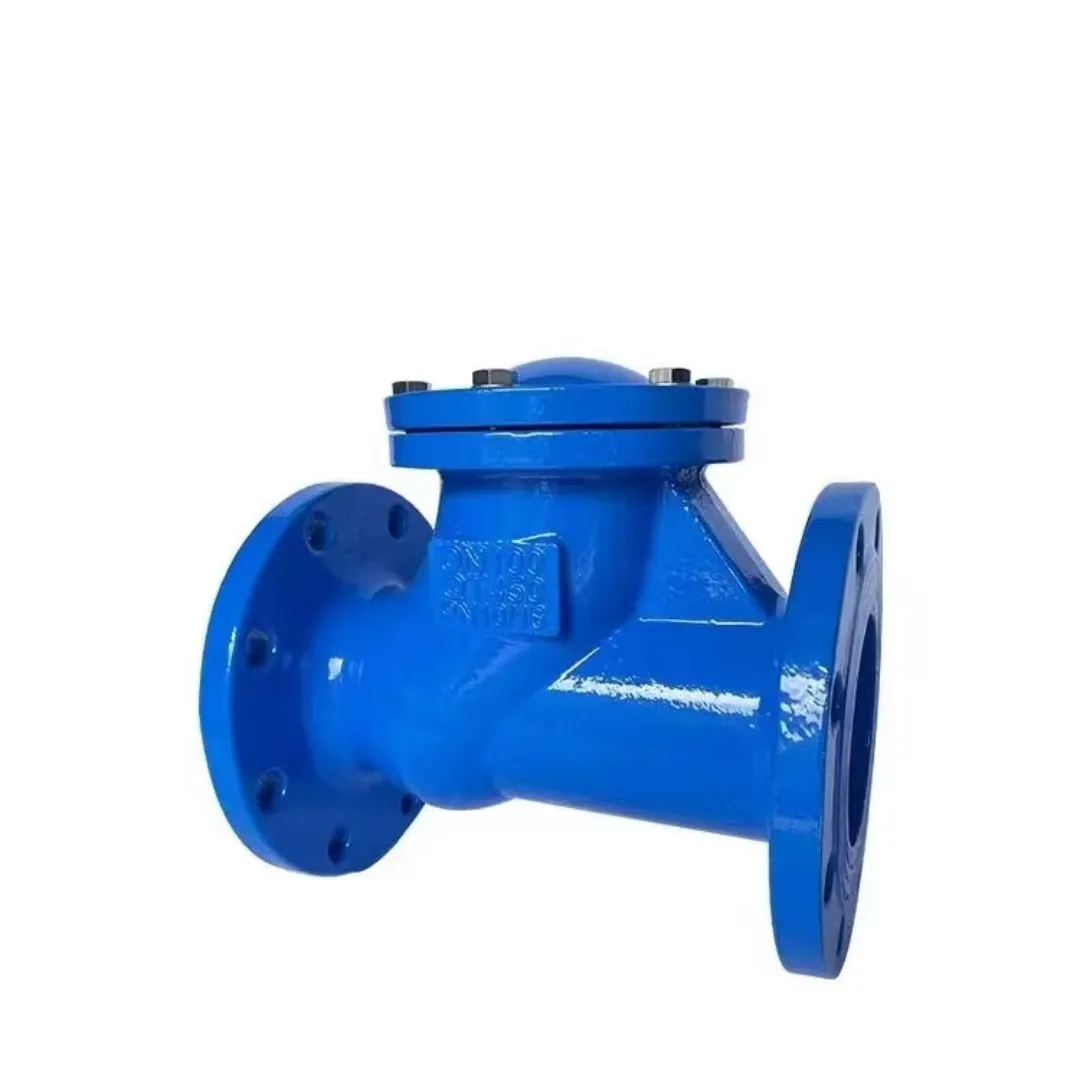
Ball check valve for slurry media.
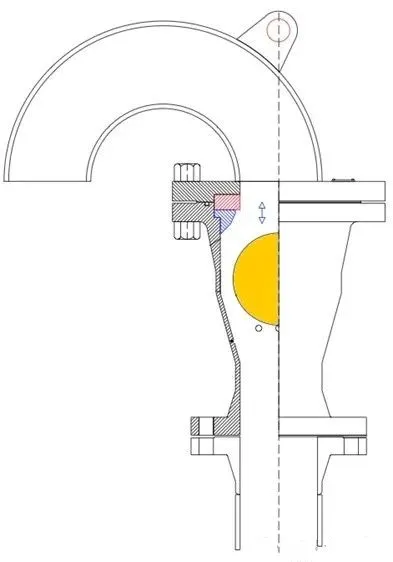
5. The flow-limiting check valve is a special fluid control device with the following main functional characteristics:
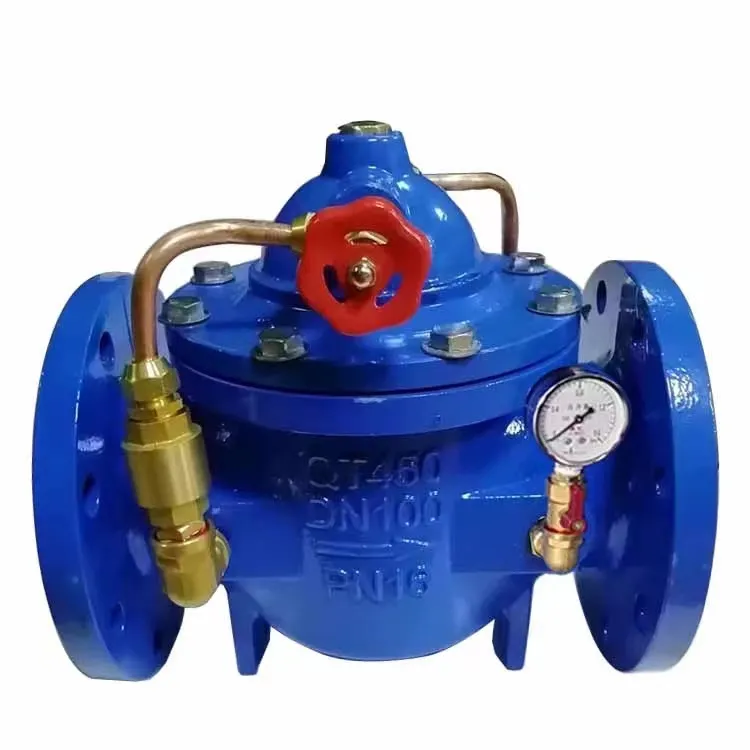
Flow-limiting function: The flow-limiting check valve can accurately control the flow of fluid through the pipeline to ensure the stable operation of the fluid system. By adjusting the opening degree of the valve disc, the flow rate of the fluid can be effectively controlled.
Check function: When the fluid pressure decreases or the system has a backflow phenomenon, the flow-limiting check valve can automatically close to prevent the fluid from flowing back. This automatic closing function can effectively protect the equipment and pipelines from being damaged by the backflow of the fluid.
High stability: The design structure of the flow-limiting check valve makes it highly stable, able to operate stably for a long time, and ensure the normal operation of the fluid system.
The working principle of the flow-limiting check valve is based on the automatic adjustment of fluid pressure and valve disc. The specific process is as follows:
Fluid entry: When the fluid passes through the flow-limiting check valve, it will first act on the valve disc to generate a certain pressure.
Valve flap opening: As the fluid pressure increases, the valve flap will gradually open to allow the fluid to pass. The degree of opening of the valve flap determines the flow rate of the fluid.
Flow regulation: By controlling the degree of opening of the valve flap, the flow rate of the fluid can be accurately adjusted. The adjustment of the valve flap can be achieved by manual operation or by an automatic adjustment mechanism.
Automatic closing: When the fluid pressure decreases or the system has a backflow phenomenon, the valve flap will automatically close under the action of a spring or gravity to prevent the fluid from flowing back.
Flow limiting check valves are widely used in various fluid systems, especially in situations where it is necessary to accurately control the fluid flow and prevent backflow. The following are some common application scenarios:
Water heating system: In the water heating system, the flow limiting check valve can be used to control the size and direction of the water flow to ensure the stable operation of the system.
Industrial pipelines: In industrial pipelines, the flow limiting check valve can be used to control the flow of various fluids to prevent the backflow of fluids from causing damage to equipment and pipelines.
Fire protection system: In the fire protection system, the flow limiting check valve can prevent the backflow of fire extinguishing water to ensure the fire extinguishing effect and the normal operation of the system.
In summary, the flow-limiting check valve is an important fluid control device with the characteristics of flow limiting, non-return and high stability. By understanding its working principle and application scenarios, you can better select and use the flow-limiting check valve to ensure the normal operation of the fluid system.
-
Comprehensive Guide to China Pipe Laterals Fittings for Global Trade ApplicationsNovasFeb.24,2026
-
China Extended Body Gate Valves A Comprehensive Guide To Selection And ApplicationNovasFeb.11,2026
-
Comprehensive Guide to China 3 Inch Butterfly Valve Selection and ApplicationsNovasJan.30,2026
-
Comprehensive Guide to Pipe Adaptors and Fittings for Efficient SystemsNovasJan.28,2026
-
Comprehensive Guide to Pipe T Fittings for Plumbing and Fluid Transfer SystemsNovasJan.28,2026
-
Comprehensive Guide to Union Pipe Fitting Selection and ApplicationsNovasJan.27,2026
-
Comprehensive Guide to China Angle Globe Valves for Industrial ApplicationsNovasJan.27,2026
 Galician
 Afrikaans
  Albanian
  Amharic
  Arabic
  Armenian
  Azerbaijani
  Basque
  Belarusian
  Bengali
  Bosnian
  Bulgarian
  Catalan
  Cebuano
  Croatian
  Czech
Czech  Danish
  Dutch
Dutch  English Esperanto
  Estonian
  Finnish
  French
  Frisian
  Georgian
  German
  Greek
Greek  Gujarati
  Hebrew
  Hindi
Hindi  Hungarian
  Icelandic
  Indonesian
  Italian
  Japanese
  Kannada
  Kazakh
  Khmer
Khmer  Korean
  Kurdish
  Lao
Lao  Latvian
  Lithuanian
  Macedonian
  Malay
Malay  Malayalam
  Marathi
  Mongolian
  Myanmar
  Nepali
  Norwegian
  Pashto
  Persian
  Polish
  Portuguese
  Panjabi
  Romanian
  Russian
  Scottish Gaelic
  Serbian
  Sinhala
  Slovak
  Slovenian
  Spanish
  Swahili
  Swedish
  Tagalog
  Tamil
Tamil  Tatar
Tatar  Telugu
  Thai
Thai  Turkish
  Ukrainian
  Urdu
Urdu  Uighur
  Uzbek
Uzbek  Vietnamese
  Welsh
Welsh