 86-312-8695888
 86-13722963501
 info@hbysindustry.com
-
 africano
-
 albanese
-
 Amarico
-
 Arabo
Arabo
-
 armeno
-
 Azero
Azero
-
 Basco
Basco
-
 bielorusso
-
 bengalese
-
 Bosniaco
-
 bulgaro
-
 catalano
-
 Cebuano
-
 Corso
Corso
-
 croato
-
 ceco
ceco
-
 danese
-
 Olandese
-
 Inglese
-
 esperanto
-
 Estone
-
 finlandese
-
 francese
-
 Frisone
-
 galiziano
-
 georgiano
-
 Tedesco
-
 greco
greco
-
 Gujarati
-
 Creolo haitiano
-
 haussa
-
 hawaiano
-
 ebraico
-
 No
No
-
 Miao
Miao
-
 ungherese
-
 islandese
-
 igbo
igbo
-
 indonesiano
-
 irlandesi
-
 Italiano
-
 giapponese
-
 giavanese
-
 Kannada
-
 kazako
-
 Khmer
Khmer
-
 Ruandese
-
 coreano
-
 curdo
curdo
-
 Kirghizistan
-
 TBC
TBC
-
 latino
-
 lettone
-
 lituano
-
 Lussemburghese
-
 macedone
-
 Malgashi
-
 malese
-
 Malayalam
-
 maltese
-
 Maori
Maori
-
 Marathi
-
 mongolo
-
 Myanmar
-
 nepalese
-
 norvegese
-
 norvegese
-
 occitano
-
 Pashtu
-
 persiano
-
 Polacco
-
 portoghese
-
 Punjabi
-
 rumeno
-
 russo
russo
-
 Samoano
-
 Gaelico Scozzese
-
 serbo
serbo
-
 Inglese
-
 Shona
Shona
-
 Sindhi
-
 Singalese
-
 slovacco
-
 sloveno
-
 Somalo
-
 spagnolo
-
 Sundanese
-
 Swahili
-
 svedese
-
 Tagalog
-
 Tagico
-
 Tamil
Tamil
-
 Tartaro
-
 Telugu
-
 tailandese
-
 Turco
Turco
-
 turkmeno
-
 ucraino
-
 Urdu
Urdu
-
 Uiguro
-
 Uzbeco
-
 vietnamita
-
 gallese
-
 Aiuto
Aiuto
-
 yiddish
-
 Yoruba
-
 Zulù
Zulù


Forged Steel Lift Check Valve—High Pressure, Tight Seal?
A field guide to the forged steel lift check valve (and its cast-steel cousin)
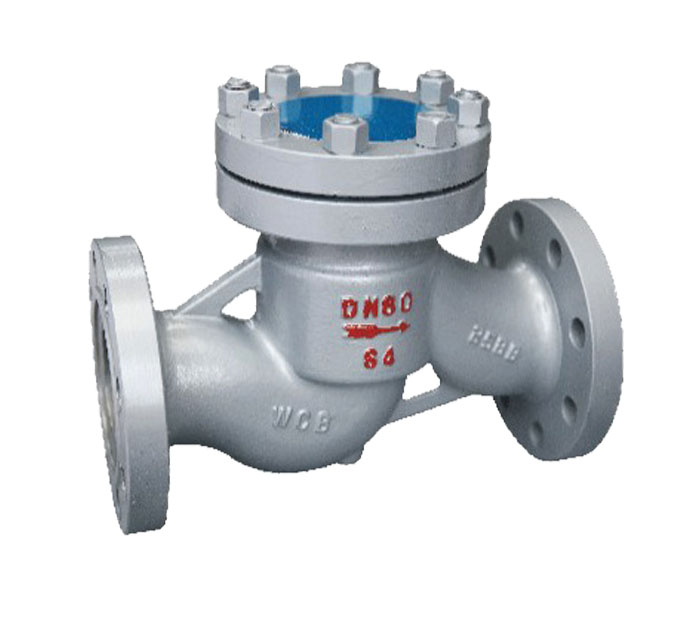
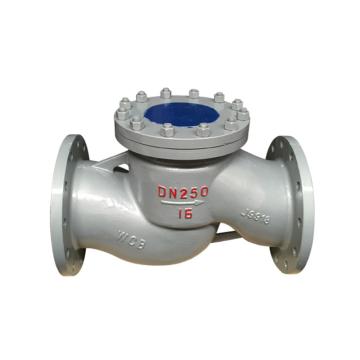
If you’ve worked in steam lines or hot oil loops, you already know: check valves are quiet heroes. I’ve spent more site days than I’d like to admit tracing pressure surges back to a tired disc. The H41H-16/25/40C from Baoding (Hebei, China) is a classic lift check profile—cast-steel by name—yet it stands shoulder to shoulder with the forged steel lift check valve category in real projects. Different metallurgy, same mission: stop reverse flow, keep the plant calm.
Where it fits and why engineers pick it
Mediums: water, steam, oil; design temp ≤425 °C; pressure class 1.6–25 MPa. In district heating loops, the forged steel lift check valve earns points for resilience under cycling. In refineries and power plants, the H41H cast-steel variant (WCB/WC9/LCB) is a value pick when corrosion is predictable and maintenance windows exist.
- Quick shutoff with a guided disc; fewer slamming issues if sized properly.
- Flanged, easy to swap during outages—technicians appreciate that.
- Seat integrity that, in my experience, holds up well past year five if fluids are clean.
Quick spec snapshot (H41H-16/25/40C)
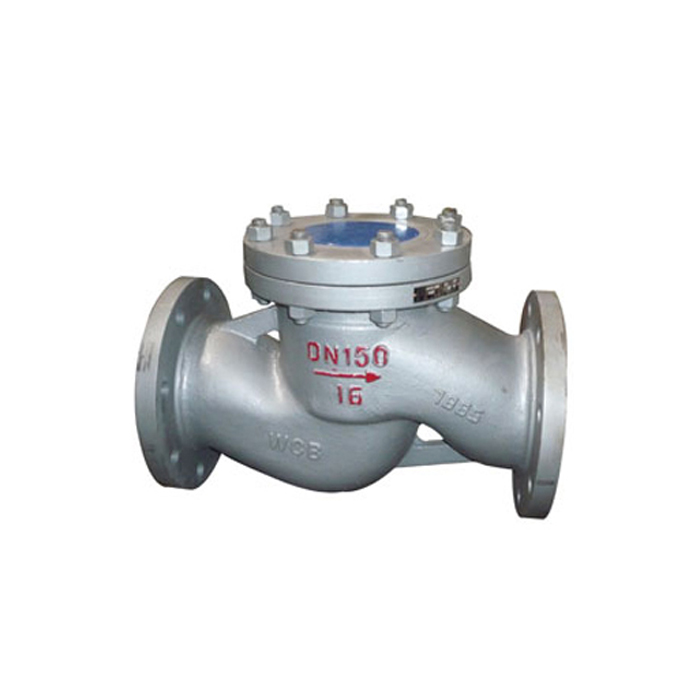
| Model | H41H-16/25/40C Cast Steel Lifting Check Valve |
| Size Range | DN15–DN600 |
| Pressure | PN16–PN250 (≈1.6–25 MPa) |
| Body Materials | WCB, WC9, LCB |
| Media / Temp | Water, steam, oil; ≤425 °C |
| Ends | Flanged (GB standards; ASME patterns available on request) |
| Standards | Manufacture: National Standard; Test: API 598 or GB/T 13927 (typical) |
Process flow, testing, and service life
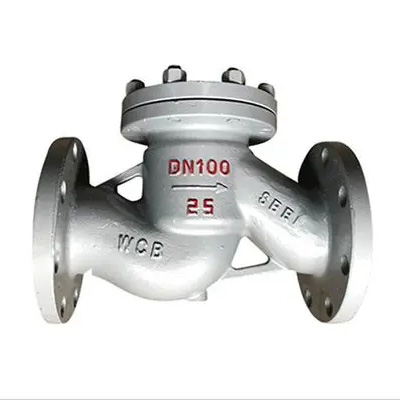
Cast route (H41H): mold pour → heat treatment → CNC machining → seat hardfacing (often 13Cr/Stellite on request) → assembly → hydro/seat testing. Forged route (for a forged steel lift check valve): open-die forging (e.g., A105/F11/LF2) → normalization/tempering → machining → seat overlay → testing.
Typical tests: shell at 1.5× PN; seat at 1.1× PN; visual NDE on seating surfaces; PMI and hardness checks as needed. Real-world service life: ≈10–20 years, heavily dependent on particulates and thermal cycling. Many customers say a modest strainer upstream doubles seat life—my notes agree.
Applications and customization
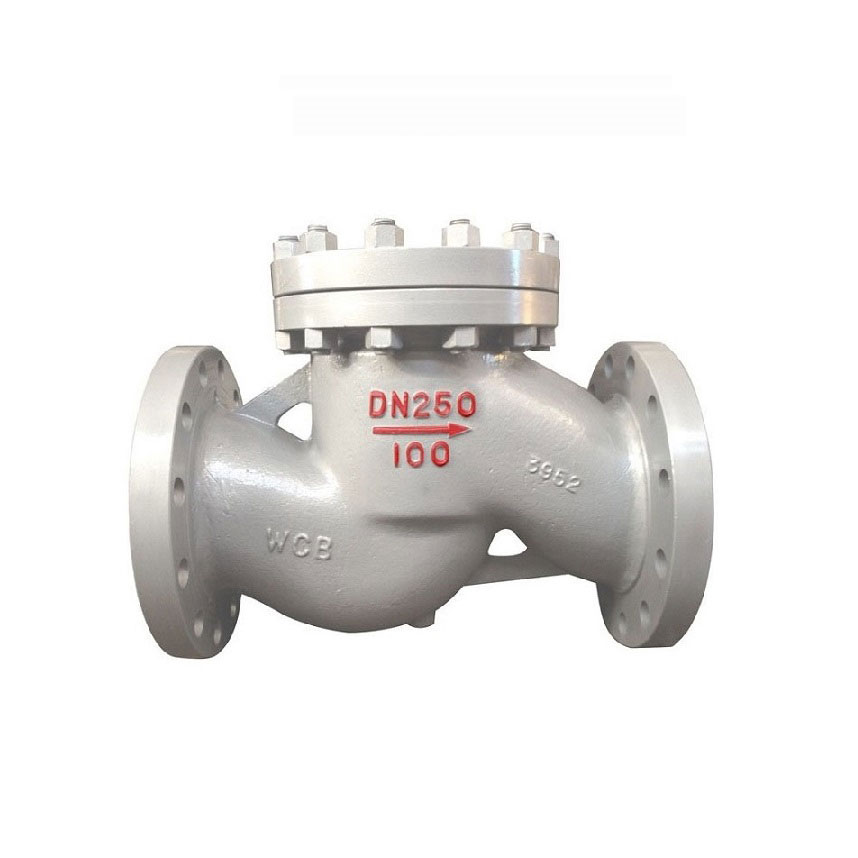
- Industries: power gen, petrochem, district heating, marine, pulp & paper.
- Custom options: trim materials (13Cr, 316, Stellite), low-temperature LCB/LC2, NACE compliance, face-to-face per GB/ASME, RTJ flanges, PMI reports.
- Data points from factory runs in Baoding: shell zero visible leakage; seat leakage within API 598 allowance; cracking pressure around 0.02–0.05 MPa (media-dependent).
Vendor snapshot (what buyers compare)
| Vendor | Materials | Pressure Classes | Certifications | Lead Time | Notes |
|---|---|---|---|---|---|
| HBYS (Baoding) | WCB, WC9, LCB; forged options on request | PN16–PN250 | ISO 9001; test per API 598/GB | ≈4–8 weeks | Good value, flexible trims |
| European OEM | A105, F11, CF8M | Class 150–1500 | PED, ISO 9001 | ≈6–12 weeks | Premium finish, higher cost |
| Local Fabricator | WCB, 316 | PN10–PN100 | ISO 9001 (varies) | ≈2–6 weeks | Fast turnaround; verify QA rigor |
Real-world case, quick version
A district heating plant swapped 20 aging swing checks for lift types (DN80–DN150). Result: noticeably quieter pump starts and fewer midnight callouts. To be honest, the biggest win was simply consistent seating. The forged steel lift check valve units went to the pump discharge; cast-steel H41H units were placed upstream where temps were milder—balanced cost and reliability.
Standards, paperwork, and what to ask
- Ask for material certs (3.1), pressure test records, and seat-leak results.
- Confirm compliance with API 598/GB/T 13927 testing and GB/T 12236 design basis; ASME B16.34 for global projects.
- Check installation notes: vertical flow up preferred; horizontal acceptable if guided seat design is used.
Origin: North Guzhuangying Village, Ansu Town, Xushui District, Baoding City, Hebei Province, China
Authoritative citations
-
Comprehensive Guide to China Pipe Laterals Fittings for Global Trade ApplicationsNotiziaFeb.24,2026
-
China Extended Body Gate Valves A Comprehensive Guide To Selection And ApplicationNotiziaFeb.11,2026
-
Comprehensive Guide to China 3 Inch Butterfly Valve Selection and ApplicationsNotiziaJan.30,2026
-
Comprehensive Guide to Pipe Adaptors and Fittings for Efficient SystemsNotiziaJan.28,2026
-
Comprehensive Guide to Pipe T Fittings for Plumbing and Fluid Transfer SystemsNotiziaJan.28,2026
-
Comprehensive Guide to Union Pipe Fitting Selection and ApplicationsNotiziaJan.27,2026
-
Comprehensive Guide to China Angle Globe Valves for Industrial ApplicationsNotiziaJan.27,2026
 Italian
 Afrikaans
  Albanian
  Amharic
  Arabic
  Armenian
  Azerbaijani
  Basque
  Belarusian
  Bengali
  Bosnian
  Bulgarian
  Catalan
  Cebuano
  Croatian
  Czech
Czech  Danish
  Dutch
Dutch  English Esperanto
  Estonian
  Finnish
  French
  Frisian
  Galician
  Georgian
  German
  Greek
Greek  Gujarati
  Hebrew
  Hindi
Hindi  Hungarian
  Icelandic
  Indonesian
  Japanese
  Kannada
  Kazakh
  Khmer
Khmer  Korean
  Kurdish
  Lao
Lao  Latvian
  Lithuanian
  Macedonian
  Malay
Malay  Malayalam
  Marathi
  Mongolian
  Myanmar
  Nepali
  Norwegian
  Pashto
  Persian
  Polish
  Portuguese
  Panjabi
  Romanian
  Russian
  Scottish Gaelic
  Serbian
  Sinhala
  Slovak
  Slovenian
  Spanish
  Swahili
  Swedish
  Tagalog
  Tamil
Tamil  Tatar
Tatar  Telugu
  Thai
Thai  Turkish
  Ukrainian
  Urdu
Urdu  Uighur
  Uzbek
Uzbek  Vietnamese
  Welsh
Welsh