 86-312-8695888
 86-13722963501
 info@hbysindustry.com
-
 Afrika
-
 bahasa Albania
-
 Amharic
-
 bahasa arab
-
 bahasa Armenia
-
 Azerbaijan
-
 Basque
-
 Belarusia
-
 Benggali
-
 Bosnia
-
 bahasa Bulgaria
-
 Catalan
-
 Cebuano
-
 Korsika
-
 bahasa Croatia
-
 bahasa Czech
-
 Danish
-
 Belanda
-
 Inggeris
-
 Esperanto
-
 bahasa Estonia
-
 bahasa Finland
-
 Perancis
-
 Frisian
-
 Galicia
-
 Georgian
-
 Jerman
-
 bahasa Yunani
-
 Gujerat
-
 Kreol Haiti
-
 hausa
hausa
-
 hawaii
-
 bahasa Ibrani
-
 Tidak
Tidak
-
 Miao
Miao
-
 bahasa Hungary
-
 bahasa Iceland
-
 igbo
igbo
-
 Indonesia
-
 irish
irish
-
 Itali
Itali
-
 Jepun
Jepun
-
 bahasa jawa
-
 Kannada
-
 kazakh
-
 Khmer
Khmer
-
 Rwanda
-
 Korea
Korea
-
 Kurdish
-
 Kyrgyz
-
 TB
TB
-
 bahasa Latin
-
 bahasa Latvia
-
 bahasa Lithuania
-
 Luxembourgish
-
 Macedonia
-
 Malgashi
-
 Melayu
-
 Malayalam
-
 bahasa Malta
-
 Maori
Maori
-
 Marathi
-
 Mongolia
-
 Myanmar
-
 Nepal
Nepal
-
 bahasa Norway
-
 bahasa Norway
-
 Occitan
-
 Pashto
-
 Parsi
Parsi
-
 Poland
-
 Portugis
-
 Punjabi
-
 bahasa Romania
-
 bahasa Rusia
-
 bahasa Samoa
-
 Gaelik Scotland
-
 bahasa Serbia
-
 Inggeris
-
 Shona
Shona
-
 Sindhi
-
 Sinhala
-
 Bahasa Slovak
-
 Bahasa Slovenia
-
 Somalia
-
 bahasa Sepanyol
-
 bahasa sunda
-
 bahasa Swahili
-
 bahasa Sweden
-
 bahasa Tagalog
-
 bahasa Tajik
-
 bahasa Tamil
-
 Tatar
Tatar
-
 Telugu
-
 Thai
Thai
-
 bahasa Turki
-
 orang Turkmen
-
 Ukraine
-
 bahasa Urdu
-
 Uighur
-
 Uzbek
Uzbek
-
 bahasa Vietnam
-
 bahasa Wales
-
 Bantu
Bantu
-
 Yiddish
-
 Yoruba
-
 Zulu
Zulu


Comprehensive Guide to Pipe Adaptors and Fittings for Efficient Systems
Understanding Pipe Adaptors & Fittings: A Comprehensive Guide
In the world of plumbing, industrial processes, and fluid transfer, pipe adaptors and fittings are essential components. They connect pipes of different sizes, materials, or types, ensuring leak-proof and efficient systems. Selecting the right fittings is crucial for the longevity and reliability of any piping infrastructure. This article will delve into the various types of pipe adaptors and fittings, their applications, materials, and key considerations for choosing the optimal solution. We will also highlight how HBYS Valves can provide high-quality solutions for your piping needs.
What are Pipe Adaptors and Fittings?
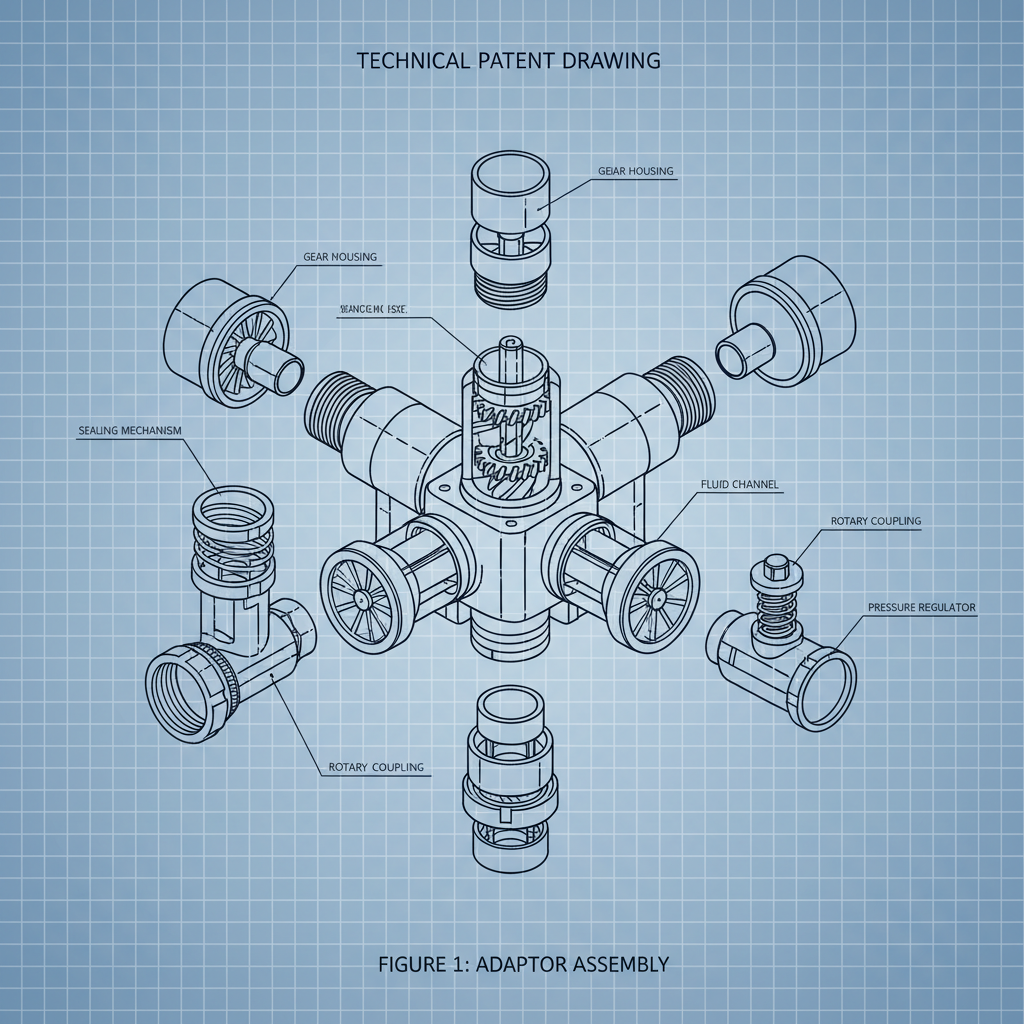
Pipe adaptors and fittings are components used to join, terminate, change direction, or regulate flow within piping systems. Adaptors specifically connect dissimilar pipes, while fittings are used for joining similar pipes or adding branches. The right choice depends on factors such as the type of pipe material (e.g., steel, PVC, copper), pressure requirements, temperature, and the fluid being transported. Understanding the different types is key to ensuring a safe and efficient system. Proper installation is also paramount to prevent leaks and failures.
Key Takeaway: Pipe adaptors bridge the gap between different pipe types, while fittings connect similar pipes or adjust flow.
Common Types of Pipe Adaptors
Several types of adaptors exist to accommodate various piping configurations. Some of the most commonly used include:
- Threaded Adaptors: Utilize threads to connect pipes. Common for smaller diameter pipes and easy installation.
- Flanged Adaptors: Employ flanges bolted together with gaskets for a strong, leak-proof seal. Suitable for high-pressure and large-diameter pipes.
- Welded Adaptors: Permanently join pipes through welding, providing a robust and reliable connection. Often used in critical applications.
- Compression Adaptors: Use compression fittings to create a secure connection without soldering or welding. Ideal for quick and easy installations.
Essential Pipe Fittings and Their Applications
Alongside adaptors, a range of fittings are used to modify and manage piping systems. Here are some key examples:
- Elbows: Change the direction of the pipe, typically at 45 or 90 degrees.
- Tees: Create a branch connection, allowing for a third pipe to be added.
- Couplings: Join straight sections of pipe together.
- Reducers: Gradually change the pipe diameter, either increasing or decreasing.
- Caps: Seal the end of a pipe.
Fittings Overview:
• Elbows direct flow.
• Tees create branches.
• Couplings join sections.
• Reducers change diameter.
Material Comparison: Choosing the Right Material for Pipe Adaptors & Fittings
The material of your pipe adaptors and fittings greatly impacts their performance and longevity. Common materials include:
Choosing the Right Supplier: Partnering with HBYS Valves
Selecting a reputable supplier is as important as choosing the right fittings. HBYS Valves offers a comprehensive range of high-quality pipe adaptors and fittings, manufactured to meet stringent industry standards. We specialize in providing solutions for various applications, including water treatment, chemical processing, and industrial piping. Our commitment to quality, reliability, and customer service makes us a trusted partner for businesses worldwide.
Conclusion: Ensuring Reliability with Quality Fittings
Investing in the right pipe adaptors and fittings from a trusted supplier like HBYS Valves is crucial for the long-term reliability and safety of your piping systems. Understanding the various types, materials, and applications will empower you to make informed decisions and optimize performance. Don’t compromise on quality – choose HBYS Valves for dependable solutions.
Frequently Asked Questions (FAQs)
What factors should I consider when selecting pipe fittings?
When choosing pipe fittings, consider the pipe material, pressure and temperature requirements, the fluid being transported, and the application’s specific needs. Compatibility between the fitting and pipe material is vital to prevent corrosion and leaks. Ensure the fitting's pressure rating exceeds the maximum operating pressure of the system. The type of fluid will influence the material selection, as some fluids can corrode certain materials. Finally, consider the environment – outdoor applications may require UV-resistant fittings.
How do I ensure a leak-proof connection with pipe fittings?
A leak-proof connection requires proper preparation and installation. Ensure the pipe ends are clean and free of debris. Use the correct thread sealant or gasket for the fitting type. Tighten fittings to the manufacturer’s specified torque. For threaded connections, avoid over-tightening, which can damage the threads. For flanged connections, ensure the gasket is properly seated and the bolts are tightened evenly. Regularly inspect connections for leaks.
What are the benefits of using stainless steel pipe fittings?
Stainless steel pipe fittings offer exceptional corrosion resistance, making them ideal for harsh environments and corrosive fluids. They have high strength and durability, able to withstand high pressures and temperatures. Stainless steel fittings also maintain cleanliness and are commonly used in sanitary applications, such as food processing and pharmaceuticals. While more expensive than other materials, their long-term reliability and resistance to corrosion often make them a cost-effective choice.
Where can I find reliable pipe adaptors and fittings?
You can find reliable pipe adaptors and fittings at HBYS Valves. We offer a wide selection of high-quality fittings manufactured to meet industry standards, with expert support to help you choose the right solutions for your application.
-
Comprehensive Guide to China Pipe Laterals Fittings for Global Trade ApplicationsBeritaFeb.24,2026
-
China Extended Body Gate Valves A Comprehensive Guide To Selection And ApplicationBeritaFeb.11,2026
-
Comprehensive Guide to China 3 Inch Butterfly Valve Selection and ApplicationsBeritaJan.30,2026
-
Comprehensive Guide to Pipe T Fittings for Plumbing and Fluid Transfer SystemsBeritaJan.28,2026
-
Comprehensive Guide to Union Pipe Fitting Selection and ApplicationsBeritaJan.27,2026
-
Comprehensive Guide to China Angle Globe Valves for Industrial ApplicationsBeritaJan.27,2026
-
China 4 Inch Drainage Pipe Fittings: A Buyer's GuideBeritaJan.25,2026
 Malay
Malay Afrikaans
  Albanian
  Amharic
  Arabic
  Armenian
  Azerbaijani
  Basque
  Belarusian
  Bengali
  Bosnian
  Bulgarian
  Catalan
  Cebuano
  Croatian
  Czech
Czech  Danish
  Dutch
Dutch  English Esperanto
  Estonian
  Finnish
  French
  Frisian
  Galician
  Georgian
  German
  Greek
Greek  Gujarati
  Hebrew
  Hindi
Hindi  Hungarian
  Icelandic
  Indonesian
  Italian
  Japanese
  Kannada
  Kazakh
  Khmer
Khmer  Korean
  Kurdish
  Lao
Lao  Latvian
  Lithuanian
  Macedonian
  Malayalam
  Marathi
  Mongolian
  Myanmar
  Nepali
  Norwegian
  Pashto
  Persian
  Polish
  Portuguese
  Panjabi
  Romanian
  Russian
  Scottish Gaelic
  Serbian
  Sinhala
  Slovak
  Slovenian
  Spanish
  Swahili
  Swedish
  Tagalog
  Tamil
Tamil  Tatar
Tatar  Telugu
  Thai
Thai  Turkish
  Ukrainian
  Urdu
Urdu  Uighur
  Uzbek
Uzbek  Vietnamese
  Welsh
Welsh