 86-312-8695888
 86-13722963501
 info@hbysindustry.com
-
 afrykanin
-
 albański
-
 amharski
-
 arabski
-
 ormiański
-
 azerbejdżański
-
 baskijski
-
 białoruski
-
 bengalski
-
 bośniacki
-
 bułgarski
-
 kataloński
-
 Cebuański
-
 korsykański
-
 chorwacki
-
 Czech
Czech
-
 duński
-
 Holenderski
-
 język angielski
-
 esperanto
-
 estoński
-
 fiński
-
 Francuski
-
 fryzyjski
-
 galicyjski
-
 gruziński
-
 Niemiecki
-
 grecki
-
 gudżarati
-
 Kreolski haitański
-
 hausa
hausa
-
 hawajski
-
 hebrajski
-
 Nie
Nie
-
 Miao
Miao
-
 język węgierski
-
 islandzki
-
 ibo
ibo
-
 indonezyjski
-
 Irlandczyk
-
 Włoski
-
 język japoński
-
 jawajski
-
 Kannada
-
 kazachski
-
 Khmer
Khmer
-
 Rwandyjski
-
 koreański
-
 kurdyjski
-
 Kirgiski
-
 gruźlica
-
 łacina
-
 łotewski
-
 litewski
-
 luksemburski
-
 macedoński
-
 Malgashi
-
 malajski
-
 malajalam
-
 maltański
-
 Maoryski
-
 marathi
-
 mongolski
-
 Myanmar
-
 Nepalski
-
 norweski
-
 norweski
-
 oksytański
-
 paszto
-
 perski
-
 Polski
-
 portugalski
-
 Pendżabski
-
 rumuński
-
 Rosyjski
-
 Samoański
-
 szkocki gaelicki
-
 serbski
-
 język angielski
-
 Shona
Shona
-
 Sindhi
-
 syngaleski
-
 słowacki
-
 słoweński
-
 somalijski
-
 hiszpański
-
 Sundajczyk
-
 Suahili
-
 szwedzki
-
 tagalski
-
 tadżycki
-
 Tamil
Tamil
-
 Tatar
Tatar
-
 telugu
-
 tajski
-
 turecki
-
 Turkmeni
-
 ukraiński
-
 urdu
urdu
-
 Ujgur
Ujgur
-
 uzbecki
-
 wietnamski
-
 walijski
-
 Pomoc
Pomoc
-
 jidysz
-
 Joruba
-
 Zulus
Zulus


Rising Stem Knife Gate Valve | Zero-Leakage, MSS SP-81
Field Notes on a Workhorse: Rising Stem Knife Gate Valve
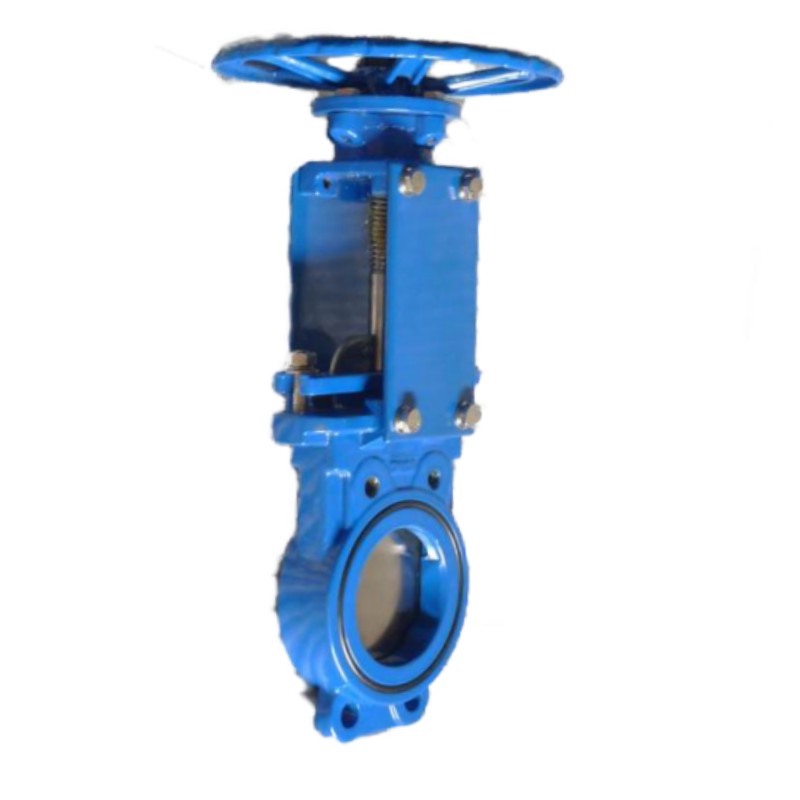
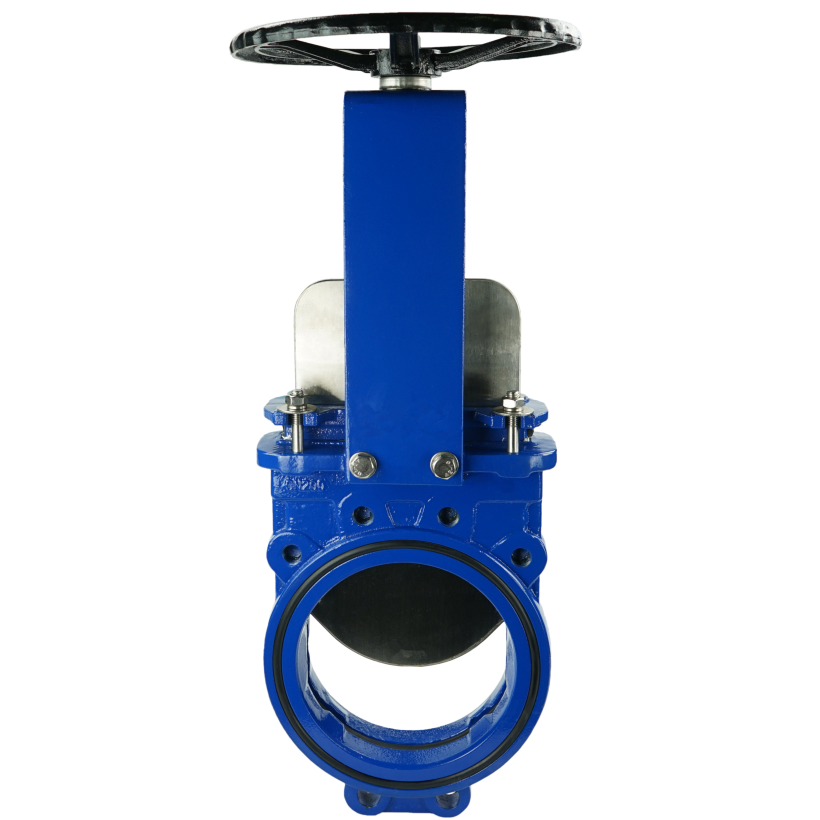
I’ve stood on enough catwalks over slurry lines to know: when a plant spec says “open and shut, no drama,” a knife gate—especially the rising-stem type—earns its keep. The DN 50–600 (and up to DN900, for those pushing capacity) from Baoding, Hebei, has been popping up in RFQs lately, and not by accident.

Why a Rising Stem Knife Gate Valve still matters
You get a clear visual cue of valve position (stem up = open), simple mechanics, and fewer surprises in abrasive slurries. The trade-off is height; rising stems need headroom. Many customers say the visibility beats stem-protected designs when operators rotate between shifts. And honestly, that counts.
Product snapshot and specs
| Model | DN 50–600 mm (factory can supply up to DN900) |
| Pressure rating | PN10–PN16 (1.0–1.6 MPa) |
| Temp range | ≤ 350 °C (real-world use may vary with seat/gasket) |
| Body materials | WCB carbon steel, Stainless (304/316); gate hardfacing optional |
| Medium | Residue-water mixtures, pulp, tailings slurry, ash, wastewater |
| Ends | Flange type (“plum blossom” multi-lug pattern), EN 1092-1 compatible |
| Actuation | Manual, bevel gear, electric, pneumatic, sprocket, electro-hydraulic |
| Seat options | Metal, EPDM, NBR, PTFE (≈ pick per chemistry/temperature) |
Manufacturing and testing (the quick version)
Origin: North Guzhuangying Village, Ansu Town, Xushui District, Baoding, Hebei, China. Castings are incoming-inspected (spectrometer and PMI on stainless), machined on CNC, and the gate edges are lapped for a clean shear. Assembly includes stem-nut alignment—small detail, big effect on torque—and a full hydro test.
- Shell test: 1.5 × PN for ≈ 15 min; no visible leakage (ISO 5208/EN 12266-1)
- Seat test: Rate A (tight shutoff) on water when soft seat; Rate D–F typical on metal seat
- Paint: epoxy or polyurethane; optional ceramic-loaded coating for splash zones
- Service life: around 10–15 years in moderate slurry; heavy abrasion may need earlier seat/gate refresh
Where it actually gets used
Pulp and paper chests, mineral processing lines, FGD slurry, STP grit removal, and, surprisingly, some biogas digestate loops (with PTFE seats). Operators like the Rising Stem Knife Gate Valve on floor-level manifolds because the position is obvious from twenty paces.
Customization menu (because one size rarely fits)
- Trim: 316/316L, duplex on request; Stellite-edged gate for abrasion
- Actuators: IP67 electric with local control; pneumatic double-acting with lockout
- Compliance pack: ISO 9001, material traceability; PED/CE and ATEX device marking on request
- Gaskets/seats matched to pH and temperature; cryo not advised (obviously)
Vendor snapshot (real-world buying factors)
| Vendor | Sizes | Lead time | Certs | Seat options | Notes |
|---|---|---|---|---|---|
| HBYS (Baoding) | DN50–900 | ≈ 3–6 weeks | ISO 9001; PED/CE on request | Metal, EPDM, NBR, PTFE | Good customization, fair pricing ($$) |
| Vendor A (EU) | DN80–600 | ≈ 6–10 weeks | CE, ATEX | Soft seat focus | Premium build ($$$) |
| Vendor B (APAC) | DN50–700 | ≈ 4–8 weeks | ISO 9001 | Metal seat standard | Aggressive pricing ($) |
Case notes and operator feedback
Paper mill, Southeast Asia: swapped 18 legacy units for Rising Stem Knife Gate Valve with PTFE seats; torque dropped ≈ 20% versus old gearboxes, zero leakage seen at PN16 seat test after 6 months. Iron ore concentrator: moved to duplex gate + EPDM; yes, price ticked up, but liners lasted two shutdowns instead of one. Operators liked the stem visibility—“simple, obvious” was the exact quote.
Standards and interfaces (so your spec sheet smiles)
- MSS SP-81 guidance for bonnetless flanged knife gate valves
- Pressure/seat testing: ISO 5208, EN 12266-1
- Flanges: EN 1092-1 (PN10/16); ASME B16.5 Class 150 on request
- Quality: ISO 9001:2015; PED/CE documentation available per project
If you need a straight-talking valve for slurries and mixed-phase lines, this Rising Stem Knife Gate Valve hits the practical sweet spot: visible position, robust trim, and honest test data. To be honest, that’s what maintenance crews remember during night shifts.
Authoritative citations
- ISO 5208: Industrial valves — Pressure testing of metallic valves.
- EN 12266-1: Industrial valves — Testing of metallic valves — Part 1: Pressure tests.
- MSS SP-81: Stainless Steel, Bonnetless, Flanged Knife Gate Valves.
- EN 1092-1: Flanges and their joints — Circular flanges for pipes, valves, fittings.
- ASME B16.5: Pipe Flanges and Flanged Fittings.
-
Comprehensive Guide to China Pipe Laterals Fittings for Global Trade ApplicationsAktualnościFeb.24,2026
-
China Extended Body Gate Valves A Comprehensive Guide To Selection And ApplicationAktualnościFeb.11,2026
-
Comprehensive Guide to China 3 Inch Butterfly Valve Selection and ApplicationsAktualnościJan.30,2026
-
Comprehensive Guide to Pipe Adaptors and Fittings for Efficient SystemsAktualnościJan.28,2026
-
Comprehensive Guide to Pipe T Fittings for Plumbing and Fluid Transfer SystemsAktualnościJan.28,2026
-
Comprehensive Guide to Union Pipe Fitting Selection and ApplicationsAktualnościJan.27,2026
-
Comprehensive Guide to China Angle Globe Valves for Industrial ApplicationsAktualnościJan.27,2026
 Polish
 Afrikaans
  Albanian
  Amharic
  Arabic
  Armenian
  Azerbaijani
  Basque
  Belarusian
  Bengali
  Bosnian
  Bulgarian
  Catalan
  Cebuano
  Croatian
  Czech
Czech  Danish
  Dutch
Dutch  English Esperanto
  Estonian
  Finnish
  French
  Frisian
  Galician
  Georgian
  German
  Greek
Greek  Gujarati
  Hebrew
  Hindi
Hindi  Hungarian
  Icelandic
  Indonesian
  Italian
  Japanese
  Kannada
  Kazakh
  Khmer
Khmer  Korean
  Kurdish
  Lao
Lao  Latvian
  Lithuanian
  Macedonian
  Malay
Malay  Malayalam
  Marathi
  Mongolian
  Myanmar
  Nepali
  Norwegian
  Pashto
  Persian
  Portuguese
  Panjabi
  Romanian
  Russian
  Scottish Gaelic
  Serbian
  Sinhala
  Slovak
  Slovenian
  Spanish
  Swahili
  Swedish
  Tagalog
  Tamil
Tamil  Tatar
Tatar  Telugu
  Thai
Thai  Turkish
  Ukrainian
  Urdu
Urdu  Uighur
  Uzbek
Uzbek  Vietnamese
  Welsh
Welsh